
The climate of the United States is as diverse as its topography, resulting in a plethora of weather patterns that vary significantly from coast to coast. Have you ever pondered how the weather can be so dramatically different within the same country? This examination of the climatic zones across the nation unveils the intricate relationship between geography and weather, while also posing a challenge: How can we adapt to such variability in climate, particularly in the face of escalating climate change?
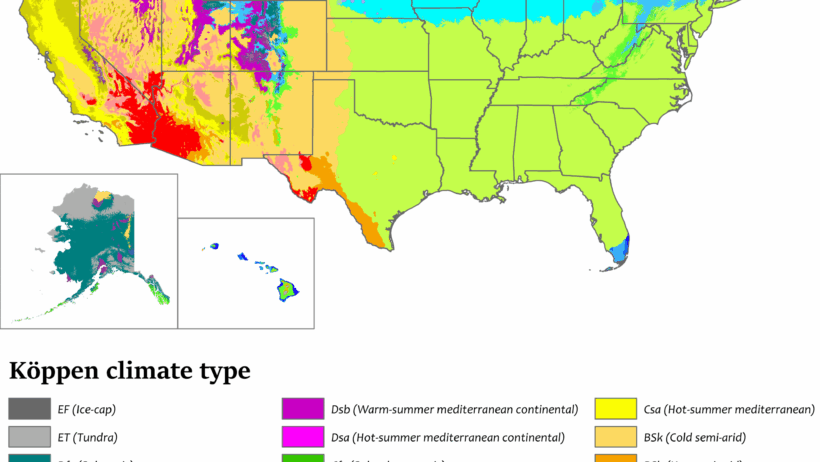
Stretching from the temperate coastlines of the Atlantic to the arid deserts of the Southwest, and the frigid tundra of Alaska to the subtropical climate of Florida, the United States encompasses several distinct climatic regions. These regions can be broadly categorized into several types based on the Köppen climate classification system, which identifies climate types using parameters such as temperature and precipitation. Let’s embark on a journey through these diverse climatic zones.
1. The Northeastern Seaboard
The Northeast is characterized by its humid continental climate, which features four distinct seasons—warm summers and cold winters. This region is subject to substantial seasonal variations, with snowfall accumulating in the winter months, challenging residents with snow removal and travel difficulties. Rainfall is abundant throughout the year, contributing to lush foliage and vibrant autumn colors. The challenge here is adapting infrastructure and agriculture to withstand extreme thermal fluctuations and heavy precipitation events, which are becoming more common with climate change.
2. The Southeastern States
Transitioning southward, the climate shifts to a humid subtropical zone. Here, the summers are sweltering and muggy while the winters remain mild. This region is notorious for its hurricane season, with storms that can devastate coastal communities and inland areas alike. The challenge arises from the susceptibility to flooding and erosion, prompting the need for robust disaster preparedness plans. Furthermore, as sea levels rise, coastal cities grapple with the impending threats of permanent inundation.
3. The Great Plains
The Great Plains span several states and exhibit a semi-arid climate, characterized by hot summers and cold winters. This region often experiences extreme weather phenomena, including tornadoes and severe thunderstorms. The agricultural sector is largely affected by the amount of rainfall, which can vary dramatically from year to year. The challenge lies in managing water resources effectively, particularly as drought conditions become increasingly prevalent. Sustainable farming practices must adapt to ensure food security amidst straining climatic conditions.
4. The Rocky Mountain Region
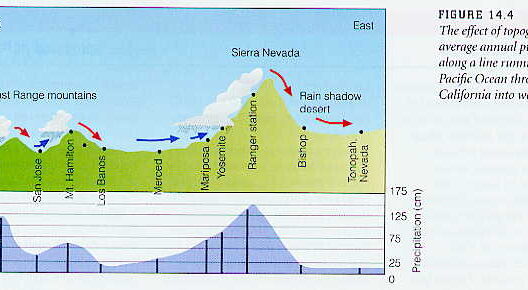
As we ascend into the Rocky Mountain region, the climate begins to exhibit a more alpine character. Here, temperature fluctuations become more pronounced, differentiating the conditions between the valleys and higher elevations. This region is a sanctuary for distinct flora and fauna, but its ecological balance is precarious. The challenge posed by climate change includes the risks of glacial melting, altered ecosystems, and the loss of biodiversity, compelling conservation efforts to address these pressing issues.
5. The Desert Southwest
Moving to the arid Southwest, one discovers a desert climate defined by its scorching summers and mild winters. Rainfall is scant and erratic, resulting in striking landscapes marked by cacti and unique geological formations. However, the water scarcity poses a significant challenge for inhabitants and wildlife alike. Population growth exacerbates the situation as cities expand into these arid regions, demanding creative solutions to water management and conservation efforts.
6. The Pacific Coast
On the Pacific Coast, the climate transitions to a Mediterranean style, where mild, wet winters are juxtaposed with warm, dry summers. The coastal waters moderate temperatures, creating a unique environment that fosters diverse ecosystems. However, this region also faces its own challenges, including increasing wildfires during the dry season and rising sea levels threatening coastal communities. The question then becomes: How will residents and policymakers respond to these imminent threats?
7. The Alaskan Tundra
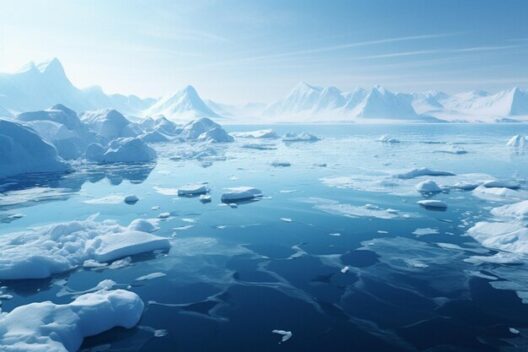
Finally, we arrive at the northernmost reaches of the United States: Alaska. The tundra climate presents long, frigid winters and brief, cool summers. It is a place of stark beauty, yet it faces climate challenges that are particularly acute, such as thawing permafrost leading to infrastructure instability, habitat destruction, and shifts in traditional lifestyles for indigenous communities. Addressing these changes requires a multifaceted approach, integrating science, policy, and community engagement.
The United States embodies a rich tapestry of climatic regions, each presenting unique challenges and opportunities. As climate change accelerates, the variability of weather and its impacts are likely to become even more pronounced, calling for adaptive strategies that prioritize resilience and sustainability. How do we collectively face the responsibility of mitigating climate change while respecting the diverse climates that define our landscapes? The answer may lie in cooperation across states, innovation in climate technology, and a commitment to protecting our environment for future generations.
In conclusion, understanding the various climates of the United States from coast to coast provides critical insights into how we can navigate and adapt to the environmental changes looming on the horizon. A proactive approach is essential, demanding that we not only respond to these complex challenges but also embrace them as opportunities for a more sustainable future.