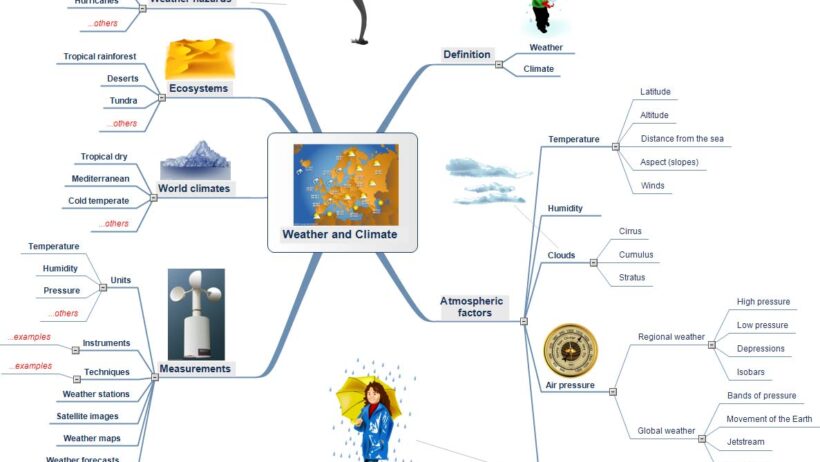

Understanding the climate of today requires more than merely observing local weather patterns. It demands a dive into the intricate web of global meteorological phenomena, climate change, and environmental forces shaping our planet. Today, climate encompasses both immediate weather trends and long-term shifts that reflect the evolving state of our Earth. From rising temperatures to erratic precipitation patterns, the current climatic narrative urges an enlightened perspective.
To grasp contemporary climate effectively, one must first delineate between weather and climate. Weather consists of short-term atmospheric conditions—like temperature, humidity, precipitation, and wind—while climate denotes the average of these patterns over extended periods, typically decades or longer. This distinction is crucial, as it places current events within a broader chronological context that enriches understanding.
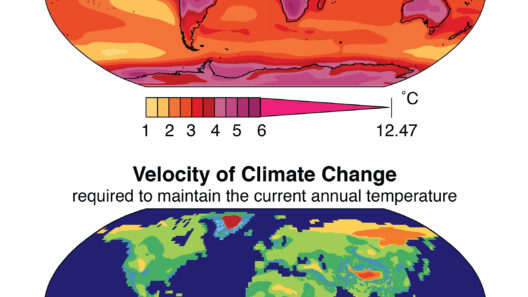
The foremost pattern observed in today’s climate is a persistent increase in global temperatures. Data indicates a marked escalation in average temperatures since the late 19th century, a phenomenon driven predominantly by anthropogenic factors. The combustion of fossil fuels, deforestation, and industrial practices have heightened concentrations of greenhouse gases in the atmosphere. As a result, records predict that the planet may warm by an alarming 1.5 degrees Celsius above pre-industrial levels by as early as 2030 if current trends persist.
Moreover, the repercussions of rising temperatures manifest strikingly across the globe. For example, many regions experience unprecedented heatwaves that challenge agricultural viability and exacerbate water scarcity. In contrast, other areas may suffer extreme cold spells, a paradoxical outcome of fluctuating polar vortex formations. These extreme events exemplify the chaotic nature of modern climate systems, where once-accurate predictive models may now struggle to keep pace with rapid changes.
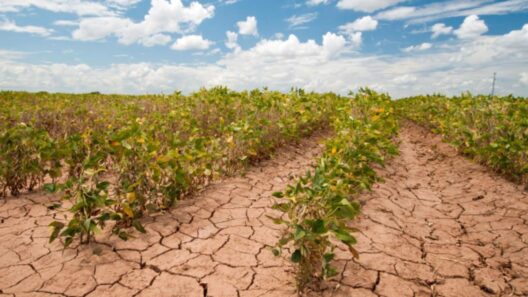
Additionally, precipitation patterns exhibit disturbing variability. Some locales are grappling with intensified drought conditions, while others are inundated with flooding caused by torrential downpours. Areas that once thrived on consistent rainfall now find themselves subject to extreme hydrological variability, disrupting ecosystems and human communities alike. The agricultural sector, in particular, faces profound challenges as farmers contend with shifting planting seasons and unpredictable harvest yields.
A significant exacerbating factor is the notion of climate feedback loops. Thawing permafrost, for instance, releases methane—a potent greenhouse gas—into the atmosphere, which in turn accelerates warming in a vicious cycle. Similarly, diminished ice cover in polar regions reduces the Earth’s albedo effect, allowing more solar energy to be absorbed rather than reflected. Such feedback mechanisms illustrate the intricately connected systems within our climate, reinforcing the urgency for immediate and collective action.
Concurrently, oceanic conditions underscore a critical aspect of our current climate. The warming seas lead to coral bleaching, a phenomenon where heat stress causes corals to expel the algae that sustain them, resulting in vast underwater ecosystems’ demise. Furthermore, rising sea levels threaten coastal communities and ecosystems through increased flooding and erosion. The implications for biodiversity cannot be overstated, as marine species face habitat loss, while human populations grapple with displacement and economic instability.
In examining these trends, it is imperative also to consider socio-political dimensions. Climate change disproportionately affects marginalized communities, exacerbating existing inequalities and challenges. Vulnerable populations, often lacking the resources to adapt or recover, bear the brunt of environmental degradation. A collective understanding of climate justice emerges, advocating for equitable solutions that prioritize those most impacted by climatic shifts.
However, amidst these daunting challenges lies a fervent promise for innovation and progress. The advancing fields of renewable energy, sustainable agriculture, and conservation biology present pathways towards a more resilient future. Solar, wind, and hydroelectric energy sources offer viable alternatives to fossil fuels, contributing to a reduction in greenhouse gas emissions. Transitioning to sustainable farming practices and regenerative land management can enhance food security while also restoring ecosystems.
In addition, technological innovations like carbon capture and storage exemplify humanity’s capacity for ingenuity in addressing the looming crisis. Enhanced understanding of climate processes bolstered by artificial intelligence and machine learning provides invaluable tools for modeling, prediction, and potential mitigation strategies. These advancements foster hope for cultivating a day when we can operate in harmony with our planet rather than in opposition to its natural systems.
Moreover, individual and collective action can no longer be sidelined. Advocacy, education, and grassroots movements galvanize public awareness and initiate necessary policy changes. Engaging in local sustainability initiatives or supporting global environmental campaigns demonstrates a commitment to altering the trajectory of climate change. Citizen participation fosters a deeper connection with the environment, transforming passive observers into active stewards of the planet.
As we navigate the complexities of today’s climate, we encounter a tapestry woven with both challenges and possibilities. A profound holistic understanding invites us to question longstanding paradigms while nurturing curiosity about the interconnections that define our existence. Embracing an eco-centric worldview can indeed shift our perspective from fear and denial towards resilience and hope. It compels us to recognize that the climate of today is not merely a backdrop; it is an urgent clarion call inviting individuals, communities, and nations to take action, reflecting our collective responsibility to preserve the Earth for future generations.
In conclusion, understanding the climate of today entails an intricate interplay of weather phenomena, long-term trends, socio-economic factors, and individual actions. The contemporary climatic narrative punctuates the urgency for transformative change that embraces both scientific innovation and egalitarian principles. Only through a united and informed effort can humanity navigate the challenges ahead, ensuring a sustainable and equitable future for all.