
Climate Smart Agriculture (CSA) represents a proactive approach to managing agricultural systems that acknowledges the rapidly changing climate and its profound implications on food production and security. The concept intertwines sustainable practices with the urgent need to adapt to environmental changes while maintaining productivity, enhancing resilience, and ensuring food security.
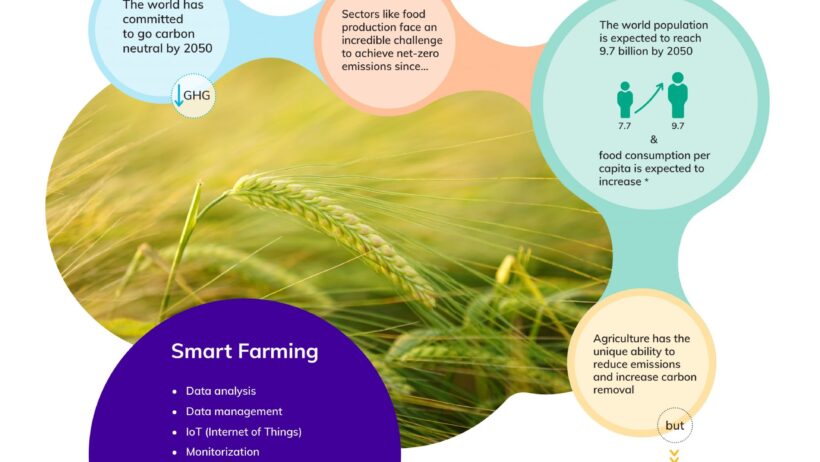
At its core, CSA emphasizes three interlinked objectives: increasing productivity, enhancing resilience, and reducing greenhouse gas emissions. This tri-fold goal profoundly addresses the interconnected challenges posed by climate change, resource scarcity, and the growing global population. In a world grappling with the impending consequences of climate change, the implementation of CSA emerges as both a necessity and a moral imperative. The agricultural sector, a significant contributor to greenhouse gas emissions, must pivot towards practices that are not only efficient but also environmentally cognizant.
One of the most compelling observations about CSA is its ability to harmoniously integrate traditional knowledge with innovative techniques. Smallholder farmers, who often operate in precarious conditions, possess a wealth of indigenous knowledge regarding local ecosystems. These farmers can implement CSA practices that not only sustain their livelihoods but also enhance soil health and biodiversity. For instance, agroforestry—combining agriculture with forestry—has gained traction as a viable method to increase carbon sequestration while providing additional income sources for farmers.
The implementation of CSA also necessitates an understanding of the intricacies of ecosystem dynamics. Soil health, a critical aspect of agricultural sustainability, can be greatly improved through practices such as cover cropping, crop rotation, and reduced tillage. These methods enrich the soil organic matter, enhance water retention, and promote the activity of beneficial microbiota, fostering natural resilience against pests and diseases. Such soil management practices align with CSA’s goals by optimizing crop yields while concurrently reducing the need for chemical fertilizers—often a significant contributor to greenhouse gas emissions.
Moreover, the strategic integration of technology cannot be overlooked. Innovations like precision agriculture leverage data analytics, remote sensing, and IoT (Internet of Things) to deliver tailored intervention strategies. This approach minimizes waste, maximizes resource efficiency, and directly addresses the environmental crises precipitated by traditional farming methods. By employing technology, farmers can execute precise applications of water, nutrients, and pesticides, consequently mitigating their ecological footprint while boosting productivity.
Climate Smart Agriculture also advocates for diversifying cropping systems. Monoculture practices, prevalent in conventional farming, can deplete soil nutrients and ultimately compromise food production. By diversifying crops, farmers can enhance soil health, improve pest and disease resistance, and stabilize market income. Utilizing locally adapted plants and heeding biodiversity promotes greater resilience in the face of climatic adversities. The cultivation of diverse crops mitigates risks associated with yield volatility and fluctuating market demands, creating a multi-layered buffer against shocks.
As with any transformative movement, addressing socio-economic dimensions is fundamental to the success of CSA. It is essential to empower farmers, particularly those in developing regions, through access to education, resources, and financial support. Initiatives must focus on developing resilient agricultural systems that allow farmers to capitalize on local advantages while adapting to climate-related challenges. Such equitable access ensures that climate-smart practices are not the exclusive domain of affluent farmers but foster a collective movement towards sustainability.
Climate finance plays a pivotal role in enhancing the viability of CSA. Investment in green technologies, sustainable infrastructure, and regional projects can accelerate the transition to CSA principles. Public-private partnerships and international collaboration can provide the necessary capital to empower farmers and communities. By aligning funding with the goals of CSA, we can build adaptive capacities that are vital for achieving long-term sustainability in agriculture.
Additionally, integrating climate-smart practices into policy frameworks is crucial. Government policies must support sustainable land-use practices and promote research on climate resilience. Engaging stakeholders from various sectors, including farmers, scientists, and policymakers, fosters dialogue that leads to innovative solutions aligned with CSA principles. This cross-sector cooperation mirrors the complexity of the challenges being addressed, recognizing that a solitary approach will yield insufficient results.
In conclusion, Climate Smart Agriculture is not merely a response to the challenges posed by climate change; it represents a holistic and innovative approach to farming that prioritizes environmental integrity, social equity, and economic viability. By intertwining traditional knowledge with modern innovations, advocating for sustainable practices, and ensuring equitable access to resources, CSA paves the way for a resilient agricultural future. It embodies humanity’s collective responsibility to nurture the land, safeguard livelihoods, and combat the looming threats of climate change. The imperative to shift towards Climate Smart Agriculture is underscored by the understanding that sustainable farming practices are integral to the survival of our ecosystems and the well-being of future generations.