Florida, often lauded as the “Sunshine State,” presents a climate that is as multifaceted as its diverse ecosystems. While the perception is generally warm and sunny, the reality of Florida’s weather is considerably more complex, encompassing a variety of phenomena that reflect greater environmental changes. From tropical storms to blistering summers, Florida’s climate is a subject of both intrigue and concern, revealing deeper connections to global climate change.
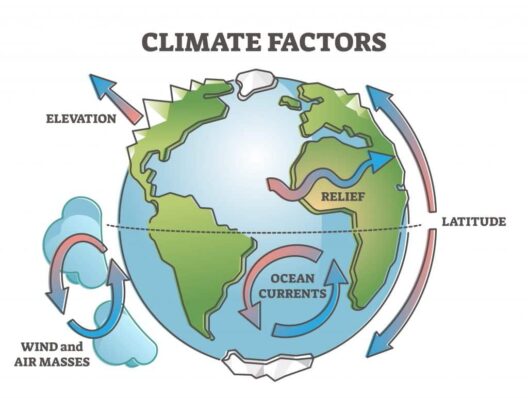
The state’s climate is predominantly classified as humid subtropical in the northern regions, transitioning to a tropical rainforest climate in the southern areas. This shift is crucial to understanding the significant variances in rainfall, temperature, and overall weather patterns across the state. During the summer months, temperatures frequently soar above 90°F, accompanied by elevated humidity levels that can create a stifling atmosphere. These summer months, typically June through September, also herald the onset of the Atlantic hurricane season, a period of intense weather activity that can lead to devastating storms.
One of the most fascinating aspects of Florida’s climate is its precipitation patterns. The state receives an average annual rainfall of approximately 54 inches, with the majority of this occurring during the wet season, which spans from May to October. During this period, the combination of high temperatures and moisture creates a breeding ground for daily thunderstorms. These storms, characterized by their sudden onset and intensity, are often accompanied by heavy rainfall and frequent lightning. What may seem like a mere inconvenience for residents and tourists alike actually serves a crucial ecological purpose, replenishing aquifers and sustaining the lush vegetation that Florida is known for.
However, it is essential to recognize that Florida is not immune to the implications of climate change. Rising sea levels present a significant threat to the state, particularly in coastal areas where populations are densifying. The state’s geological makeup, consisting largely of porous limestone, allows saltwater intrusion to affect freshwater supplies, a phenomenon that intensifies with the climate crisis. Moreover, these rising sea levels exacerbate flooding during storm surges, leading to a greater vulnerability to tropical storms and hurricanes.
Additionally, the increase in average temperatures has a cascading effect on Florida’s ecosystems. Endangered species, such as the manatee and the Florida panther, face precarious survival challenges as their habitats become increasingly altered. The delicate balance in ecosystems such as the Everglades, a UNESCO World Heritage Site and a vital natural resource, is particularly vulnerable to changes in water levels and temperatures, which can lead to shifts in species composition. Increased evaporation rates and altered rainfall patterns threaten the delicate equilibrium that sustains these unique habitats.
Urban areas, such as Miami, are becoming known as climate change “hotspots”. The vivid juxtaposition of affluence and vulnerability is striking; luxury high-rises perched precariously along coastlines are reminders of a future that is at odds with nature’s rising tides. The city’s proactive measures to combat climate impacts, including raising building codes and implementing innovative drainage systems, highlight a growing recognition of the climate crisis. However, these efforts require substantial investment and, more importantly, collective action in the face of an increasingly uncertain future.
Moreover, the impact of climate change is not solely an environmental concern—it has substantial socio-economic ramifications. Floridians are frequently confronted with the financial burdens of insurance premiums that increase in response to perceived risks from hurricanes and flooding. The tourism sector, a cornerstone of Florida’s economy, is particularly susceptible to climate variability as extreme weather events can deter visitors. There is a fascinating duality at play; the climate that draws millions to its shores for sun-soaked vacations is the same climate that poses existential threats to livelihoods.
The interplay between Florida’s idyllic image and the stark realities of climate change evokes a sense of urgency needed for resilience planning. Restoration projects, aimed at conserving natural landscapes and enhancing biodiversity, are imperative in mitigating the effects of climate change. Individuals, communities, and organizations across the state are increasingly investing in sustainability initiatives, whether it’s native plant landscaping to support local wildlife or engaging in advocacy for renewable energy policies.
As Florida navigates this precarious balance, public consciousness is shifting. Educational programs aimed at raising awareness about climate change and its implications highlight the interconnectedness of our actions and the environment. The era of reckoning is here; residents are recognizing their role in combating climate change by advocating for policies that prioritize sustainability and resilience. This evolution of awareness in the Sunshine State may well be a microcosmic reflection of global efforts to confront climate change, emphasizing that every state, every community, faces its unique challenges.
In conclusion, Florida’s climate, while branded as the “Sunshine State,” is a tapestry woven with complexities that extend beyond the sunny facade. The myriad interactions between natural systems, human activity, and climate change necessitate a nuanced understanding that goes beyond mere observation. This understanding prompts deeper inquiries into how we can engage with our environment responsibly, ensuring that future generations can still experience Florida’s diverse ecosystems and vibrant weather patterns. It is, after all, the responsibility of this generation to safeguard the irreplaceable wonders of Florida—their sustainability rests on our collective commitment to a more resilient future.