
In the vast tapestry of Earth’s ecosystems, the marine biome emerges as a mesmerizing canvas of life, enveloped in a realm where water dominates and diversity flourishes. The marine biome spans over 70% of our planet’s surface, a colossal blue expanse cradling intricate life forms and complex weather patterns. Within this expansive aquatic kingdom, the climate is far more than mere temperature and precipitation; it is an intricate symphony of interactions between the atmosphere, ocean currents, and biological inhabitants.
To understand the marine biome climate, one must first appreciate the nuances of oceanic weather systems. The relationship between the ocean and atmosphere is akin to an elaborate dance. The surface of the ocean, a shimmering mirror reflecting the sky, plays a pivotal role in regulating the planet’s weather. Ocean currents, like blood coursing through the veins of an organism, transport heat from the equator towards the poles, modulating temperatures in coastal regions and influencing weather patterns across continents.
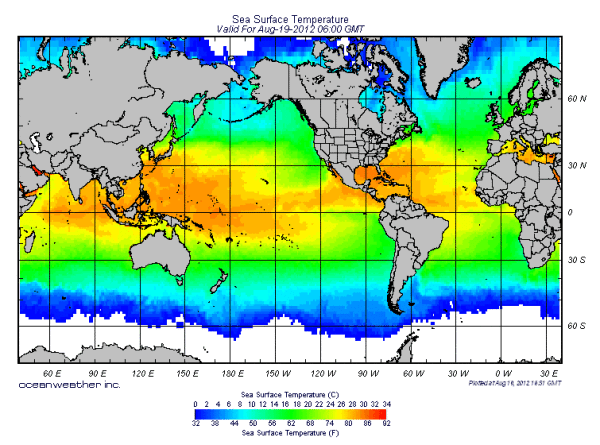
The climate of the marine biome is largely dictated by geographical location. When we consider the equatorial regions, the waters are bathed in warmth, fostering a haven for biodiverse ecosystems. Here, sunlight penetrates deeply, igniting the vibrant dance of photosynthesis among phytoplankton, the foundational producers of the aquatic food web. In contrast, as one ventures toward the polar extremes, the waters chill, creating environments characterized by ice coverage and frigid temperatures. This disparity creates distinct marine habitats—from the coral reefs teeming with life in tropical waters to the stark, yet fascinating, ecosystems thriving beneath ice sheets.
Among the myriad weather phenomena that grace the marine biome, storms loom large, their tempestuous nature both feared and revered. Hurricanes, typhoons, and cyclones incubate over warm ocean waters, gathering momentum and ferocity as they intertwine with atmospheric conditions. These colossal storms leave indelible marks on both the marine and terrestrial environments, reshaping coastlines and altering habitats. However, they also play a critical role in nutrient dispersal, rejuvenating oceanic life by bringing nutrient-rich waters to the surface.
Within the marine biome, life thrives not only in abundance but also in a vast array of forms and functions. The organisms inhabiting this realm are as diverse as the climates in which they reside. From the grand ballet of the humpback whale’s migration, driven by seasonal changes, to the delicate dance of phosphorescent jellyfish illuminating the pitch-black depths, the life in the ocean is nothing short of extraordinary. Each species has evolved adaptations intricately linked to its climatic conditions, demonstrating resilience and ingenuity.
Coral reefs, often heralded as the rainforests of the sea, are prime examples of this connection. These vibrant structures, formed by living coral polyps, flourish in warm, shallow waters brimming with sunlight. However, they are highly sensitive to temperature fluctuations and ocean acidification, posing a grave concern as climate change exacerbates these stressors. The ‘bleaching’ of coral reefs, resulting from elevated sea temperatures, serves as an ominous marker of the impacts of rising global temperatures. It is a vivid illustration of how intimately intertwined marine life is with its climatic context.
The temperate zones, characterized by moderate climates, foster unique ecosystems such as kelp forests. These underwater jungles not only provide habitat for a variety of marine species but also play a crucial role in carbon sequestration, mitigating some effects of climate change. The sheer majesty of these towering kelp strands swaying rhythmically with the currents embodies the paradox of the marine biome: it is a realm of tranquility and chaos, beauty and fragility. Warmer temperatures and ocean acidification threaten these vital ecosystems, highlighting the urgent need for conservation efforts.
The polar regions, often perceived as inhospitable, host an astonishing array of life adapted to extreme conditions. Here, organisms such as polar bears, seals, and krill have evolved unique strategies for survival amidst ice and frigid waters. As the climate warms, these ecosystems face unprecedented challenges, with diminishing ice cover altering food webs and migration patterns. The emotional resonance of witnessing a polar bear struggling to find stable ice serves as a stark reminder of the ongoing climate crisis. It underscores the fragility of these ecosystems and their inhabitants.
As humanity stands at a critical juncture in the fight against climate change, the marine biome serves as a powerful reminder of our interconnectedness with nature. The weight of our actions ripples across oceanic realms, influencing everything from individual species to entire ecosystems. Protecting the marine biome is not merely an ethical imperative; it is an essential endeavor for the sustainability of our planet. Efforts to mitigate climate change, reduce carbon emissions, and establish marine protected areas are vital steps in shielding these delicate ecosystems from impending threats.
In the grand narrative of our planet, the marine biome represents more than just a collection of ecosystems; it is a vital component of the Earth’s life-support system. The climate, life, and weather of oceanic realms remind us that beneath the surface lies a world of wonder and complexity, a testament to the resilience and beauty of nature. As stewards of both land and sea, it is imperative that we acknowledge our role in safeguarding this enchanting biome for generations to come. Let us foster a collective consciousness that cherishes the ocean’s whispers and champions its preservation, for in protecting the marine biome, we secure the health of our planet.