
Montana, often celebrated for its vast spaces and striking landscapes, is a place of numerous climatic contrasts and surprises. Its nickname, “Big Sky Country,” aptly captures the expansive, ethereal nature of its skies, but beneath this picturesque surface lies a complex climate system that is influenced by its geographical diversity. Understanding Montana’s climate demands an exploration of its seasonal nuances, local geography, and broader climatic trends.
The state of Montana is characterized by its diverse topography—ranging from majestic mountain ranges, like the Rockies, to sprawling plains and rolling hills. This varied landscape plays a critical role in shaping its climate. At higher elevations, temperatures can drop dramatically, while valley floors often experience milder conditions. In essence, elevation is a pivotal factor that dictates what one can expect from Montana’s climate throughout the seasons.
In winter, Montana showcases a formidable persona, with temperatures plummeting in the frigid embrace of January. The northern region can witness average lows around 10°F, while higher altitudes reach even chillier depths. Snow blankets the state, transforming it into a winter wonderland. The amount of snowfall can be staggering; some areas receive over 500 inches annually, making it a haven for winter sports enthusiasts. However, these conditions also raise concerns about wintertime safety and accessibility, particularly during severe storms.
As spring arrives, Montana gradually shakes off winter’s grasp. The transition is often abrupt, with the shift from snow to rain heralding the arrival of longer days and warming temperatures. As March gives way to April, one can experience sudden temperature swings, where sun-filled days can quickly turn to thunderstorms. The melting snow contributes to significant runoff, replenishing rivers and reservoirs. This period is crucial for agriculture, as farmers eagerly anticipate the moisture necessary for their crops.
Summer, with its radiant sunshine and vibrant flora, is a season of abundance. Daytime temperatures can soar into the 90s°F, particularly in the eastern plains, while the western mountainous regions enjoy a temperate climate, often hovering in the 70s°F. The beauty of a Montana summer is simultaneous with challenges; drought conditions may arise, as prolonged dry spells stress the ecosystem and agricultural sectors. Rainfall becomes sporadic, and conservation becomes paramount as residents and farmers alike grapple with resource management.
Autumn, a season punctuated by stunning foliage, invites a different narrative. As the mercury begins to descend, the transformation of the landscape unfolds with staggering beauty. The air becomes crisp, and the vibrant hues of red, gold, and orange paint the mountains and valleys. However, this season also signifies the onset of shorter days. Early October may still feel balmy, but by November, the chill returns, often leading to an early snowfall. This fluctuation serves as a reminder of the climate’s unpredictable nature.
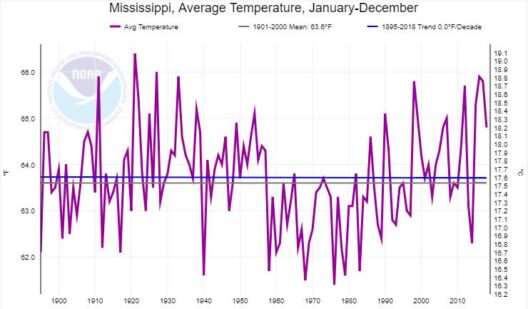
The overarching climatic trends in Montana are not merely a series of seasonal occurrences. They are deeply intertwined with larger global phenomena, including climate change. The state has witnessed an increase in average temperatures over the past few decades. This warming trend has significant implications for water resources, wildlife habitats, and agricultural productivity. For example, earlier snowmelt can exacerbate flooding in spring, while extended dry periods can jeopardize the livelihood of farmers dependent on predictable weather patterns.
One cannot discuss Montana’s climate without acknowledging the profound implications for its unique ecosystems. The state’s rich biodiversity, which includes species adapted to both cold winters and hot summers, is increasingly vulnerable. Higher temperatures and altered precipitation patterns can disrupt these delicate balances, threatening species that rely on specific environmental conditions. The encroaching risk of invasive species coupled with the decline of native wildlife demands an urgent shift in conservation strategies.
This climatic dichotomy can also be reflected in the cultural tapestry of Montana’s residents. Communities, characterized by their deep-rooted ties to the land, are particularly sensitive to changes in climate. Local knowledge, borne of generational experience, plays a crucial role in adapting agricultural practices and resource management. Moreover, grassroots movements advocating for climate resilience are gaining momentum, as Montanans increasingly recognize the significance of fostering sustainable practices to combat environmental degradation.
As Montana evolves, its climate narrative remains one of curiosity and innovation. Individuals drawn to this state must adopt a mindset that prepares for the unexpected. The challenge lies not merely in coping with a diverse range of weather patterns but in leveraging Montana’s environmental strengths, promoting sustainable practices, and fostering a connection to the land that transcends seasonal barriers. Therein lies the promise of Montana—a beacon of resilience in the face of climatic uncertainty.
In conclusion, Montana’s climate is a tapestry of extremes, woven together by the intricate dance of geography and seasonality. By embracing these climatic surprises, one can cultivate a deeper understanding of the land and its ecosystems, ultimately leading to a more conscientious approach to living in harmony with nature. The beauty of “Big Sky Country” lies not just in its breathtaking vistas but also in its capacity to inspire thoughtful contemplation on our collective environmental future.