
Nevada, often heralded for its vast open spaces and striking landscapes, is characterized by an array of climatic conditions that encompass both the blistering heat of its deserts and the refreshing chill of its mountainous regions. Situated in the western United States, the state covers a broad range of altitudinal zones, leading to a striking contrast in climatic phenomena. The climate of Nevada can generally be categorized into two primary regions: the arid desert climate prevalent in the south and the colder, alpine climate found in the north and atop its mountain ranges. Understanding these complexities is essential for residents, travelers, and researchers alike.
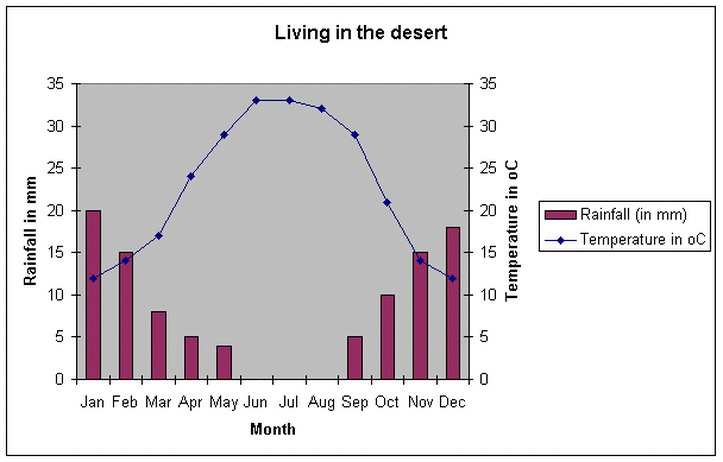
The southern portion of Nevada is dominated by the Mojave Desert, which plays a pivotal role in shaping the region’s climate. Here, the climate is classified as a cold desert climate, marked by extreme temperatures. Summer months, particularly from June to August, are characterized by scorching heat, often soaring above 100°F (38°C). The area experiences low precipitation levels, with an annual average of about 4 to 7 inches, predominantly falling during the winter months. The dryness of this climate not only influences the types of vegetation that can thrive but also poses challenges for water resources and agriculture. As one navigates the arid landscapes, it becomes evident that the flora and fauna have adapted remarkably to endure such harsh conditions.
Contrary to the sweltering heat of the southern deserts, northern Nevada presents a distinctly different climatic scenario. Here, the Great Basin region is marked by higher elevations and significant temperature variations between seasons. Winters are characterized by colder temperatures, often plummeting to below freezing, especially in mountainous areas such as the Sierra Nevada and Ruby Mountains. Thus, snowfall becomes a common occurrence, transforming the landscape into a winter wonderland. The snowfall is crucial for the hydrology of the region, replenishing rivers and reservoirs essential for both human consumption and agriculture during the drier months.
Transitioning from the valleys to the mountains reveals yet another layer of Nevada’s complex climate. At higher elevations, temperatures can be considerably cooler, even in summer months. The distinction is particularly notable in places like Lake Tahoe, where locals and tourists flock for recreational activities year-round. Summer temperatures at the lake hover in the comfortable range of 70°F to 80°F (21°C to 27°C), making it a perfect escape from the extreme heat of the desert. Winter, however, can bring significant snowfall, providing a sanctuary for winter sports enthusiasts. The different climatic conditions at varying altitudes create unique ecosystems, from arid scrublands to dense coniferous forests.
One cannot overlook the climatic anomalies experienced throughout the state. Rainshadow effects are common, particularly where the Sierra Nevada meets the Great Basin. As moist air moves eastward from the Pacific Ocean, it rises upon hitting the mountains, resulting in precipitation on the western slopes. However, as the air descends into the valley, it dries out, leading to the arid conditions prevalent in much of eastern Nevada. This phenomenon is critical for understanding the distribution of precipitation across the state and impacts the availability of water, which is a precious commodity in this largely desert region.
The disparate climates of Nevada have significant implications for biodiversity. The state is home to an extensive array of plant and animal species, many of which have developed unique adaptations to survive in their respective climates. In the Mojave Desert, one can find resilient species like the Joshua tree, known for its ability to flourish in dry conditions. Conversely, in the higher elevations, diverse species of pine trees dominate, showcasing nature’s versatility and resilience. It is imperative to recognize the interconnectedness of climate and ecological systems, as fluctuations due to climate change pose risks to these delicate habitats.
Climate change, an ever-pressing issue, threatens the climatic stability of Nevada. Rising temperatures, along with altered precipitation patterns, may exacerbate the existing challenges faced by the state, particularly in terms of water scarcity. As melting snowpack diminishes and droughts become more prevalent, water availability for agricultural, ecological, and urban uses is jeopardized. Understanding these implications becomes crucial, as policymakers and residents grapple with the need for sustainable practices to mitigate adverse effects and adapt to changing conditions.
As Nevada’s climate continues to evolve, the distinction between desert heat and mountain chill embodies the broader narrative of resilience and adaptation. From the mesmerizing dunes of the Mojave Desert to the pristine snow-capped peaks of the Sierra Nevada, this state offers a wide spectrum of climatic experiences. Whether engaging in outdoor adventures, studying ecological patterns, or addressing the challenges posed by climate change, it is evident that Nevada’s climate is as diverse as its landscapes. Embracing the state’s climatic complexities can foster a deeper appreciation for its natural beauty and ecological significance, ultimately encouraging it to thrive amidst the changes on the horizon.
In conclusion, Nevada’s climate serves as a fascinating study in contrasts. The interplay of desert and mountainous climates reveals the intricate relationship between topography and weather patterns. As the state faces the impending impacts of climate change, these climatic variations underscore the importance of ecological stewardship and sustainable resources management. Engaging with this knowledge inspires both appreciation and action toward preserving the natural beauty and biodiversity of Nevada for generations to come.