


The Paris Climate Agreement, a landmark accord struck in December 2015, aimed at uniting the global effort to combat climate change. It represented a collective aspiration to limit global temperature rise to well below 2 degrees Celsius, with an ideal target of 1.5 degrees. Nations universally recognized the urgency of addressing this existential crisis through a coordinated approach. However, the U.S. stance under the Trump administration introduced a significant pivot away from international climate diplomacy, casting shadows over the future of global climate initiatives.
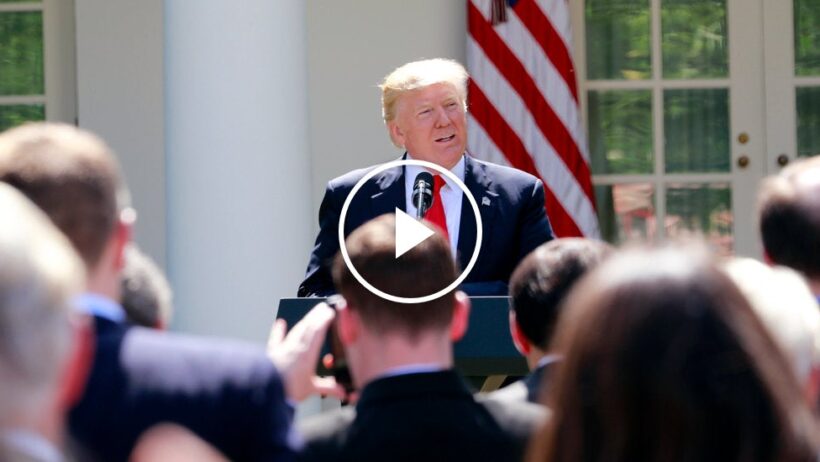
Donald Trump’s presidency marked an era of skepticism towards established climate science and international treaties. His decision to withdraw from the Paris Agreement in June 2017 sent shockwaves around the world. This move was underpinned by a rhetoric that prioritizes domestic economic interests over environmental stewardship. Trump’s administration framed the agreement as detrimental to U.S. economic growth, arguing that it imposed unfair regulations on American businesses and workers. The withdrawal highlighted a stark distinction between science-based environmental policy and populist economic nationalism.
The juxtaposition of Trump’s position against the backdrop of the Paris Agreement provides fertile ground for exploring the implications on both politics and the planet. The withdrawal not only questioned the U.S. commitment to global climate leadership but also emboldened other nations to reconsider their positions. Countries that had previously aligned with U.S. strategies in climate negotiations faced an ideological dilemma. Should they persist in their commitments to climate action despite the abdication of one of the world’s largest emitters of greenhouse gases?
Opposition was immediate and widespread. Businesses, state governors, mayors, and civil society groups expressed their discontent with the administration’s decision. Many corporate leaders, particularly in the renewable energy sector, recognized the economic potential of transitioning to greener technologies. They warned against isolationist policies that would stifle innovation and jeopardize future competitiveness. Statements from iconic brands suggested a willingness to invest in carbon-neutral technologies irrespective of federal directives.
Internationally, the reaction to the U.S. withdrawal varied. The European Union, China, and several other nations reaffirmed their commitment to the agreement, often seeking collaboration to fill the leadership vacuum left by the U.S. The diplomatic posturing that ensued underscored a shifting paradigm in which climate action took precedence over traditional alliances. Additionally, the withdrawal sparking renewed discussions around accountability exposed fissures within the very fabric of international relations.
With Trump’s administration prioritizing deregulation, several significant policy shifts ensued, with a direct impact on environmental safeguards. Legislative efforts aimed at rolling back emission standards and supporting fossil fuel industries stood in stark contrast to the aspirational goals of the Paris Agreement. The dismantling of the Clean Power Plan illustrated a broader strategy to undermine climate initiatives domestically, thereby questioning the U.S. moral authority to champion climate actions internationally.
However, the story did not end with withdrawal. The movement for climate action gained momentum at grassroots levels despite federal inaction. Activist groups proliferated, galvanizing public support around climate justice narratives. Young activists, such as those following the lead of figures like Greta Thunberg, spurred dialogues, advocating for immediate and drastic measures to combat climate change. Their calls intensified community engagement and highlighted the demands of the next generation for sustained climate action.
2020 emerged as a pivotal year not only due to a global pandemic but also in the realms of climate consideration. With a contested presidential election on the horizon, climate policy became a central theme. The Biden campaign pledged to re-enter the Paris Agreement, reflecting a stark ideological reversal from the preceding administration. This pivot captures the potential for a renewed commitment to multilateralism in environmental discourse.
As part of a broader strategy, policymakers now face the challenge of reconciling economic recovery with the relentless pursuit of climate sustainability. Investments in green infrastructure have emerged as part of revitalizing economies in the wake of the pandemic, illustrating that climate action can be synonymous with job creation. Transitioning to renewable energies fosters a sustainable economy while creating employment opportunities across diverse sectors.
In conclusion, the confluence of Trump’s withdrawal from the Paris Climate Agreement and the emergent climate activism represents a significant crossroads in contemporary global affairs. The contours of political action delineate a complex landscape where environmental imperatives are at odds with economic nationalism. As the world grapples with the multifaceted challenges posed by climate change, the lessons learned must resonate well beyond political cycles. The interplay of local, national, and international policies will critically determine the future trajectory of global efforts, requiring unwavering commitment, inclusive dialogue, and innovative solutions to safeguard the planet for generations to come.