
The Norwegian Current, an arm of the North Atlantic Ocean’s warm Gulf Stream, plays a pivotal role in shaping the climate of its surrounding regions. But what type of climate does it create, and how might it influence not just Norway but a wider geographical scope? The delightful temperature variations and precipitation patterns attributable to this current may surprise many. Could it be that a body of water is more than merely a source of hydration? If you were to visualize the impact of this underwater highway, you might find it astounding how far-reaching its effects can be.
Firstly, understanding the Norwegian Current begins with acknowledging its source. The current originates in the warm waters of the Gulf Stream, traveling northeast from the United States and sweeping across the Atlantic. It subsequently heads towards Norway, transporting heat and moderating the coastal climate along the way. As a result, coastal Norway enjoys a relatively mild climate, characterized by less severe winters than would typically be expected at such high latitudes. Is it not curious that a current can effectively shield a landmass from the extreme cold of its polar neighbors?
The implications of this warmer climate are multifaceted. For instance, the nurturing temperatures allow for a longer growing season in certain regions, enhancing agricultural productivity. One might even ponder: how does this create a unique opportunity for local farmers? The lush pastures and verdant fields that thrive under the influence of the current stand testament to the intricate collaboration between oceanic currents and terrestrial life.
However, the Norwegian Current is not solely beneficial. It can exacerbate weather extremes. This unpredictability poses a challenge, especially in a world where climate stability is increasingly desired. In what ways can local communities leverage the warmth brought by the current while preparing for the potential volatility of storms and heavy precipitation? Coastal towns may find themselves grappling with flooding events due to the increased rain, raising important questions about urban planning and infrastructure resilience.
Moreover, the enhanced temperatures of the Norwegian Current can create conditions favorable for the growth of marine ecosystems, particularly the northward migration of various fish species. Species usually found in warmer waters might find a new home along the Norwegian coast, altering local fisheries. This ecological shift could prompt fisheries management to reconsider quotas and sustainable practices. How might the influx of new species challenge traditional fishing practices, and can there be an adaptive approach to embrace these changes?
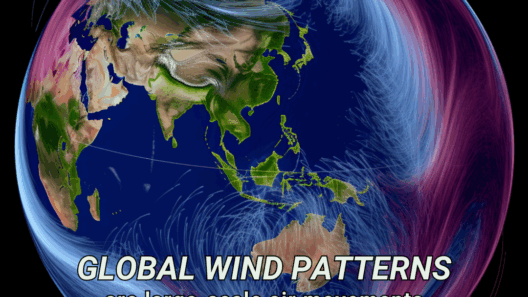
The climate influence of the Norwegian Current transcends regional borders, entering a global context. The warm waters impact wind patterns, affecting atmospheric conditions far beyond Norway. This interplay between ocean and atmosphere functions as an intricate dance, subtly guiding weather events across Europe and influencing climate systems as far as North America. With climate change in the foreground of global discussions, one must inquire: How does this current fit into the larger narrative of a warming world?
Another intriguing factor is the melting polar ice, spurred on by climate change. As the Arctic warms, fresh water flows into the North Atlantic. This influx alters the salinity and density of ocean waters, potentially disrupting the flow of the Norwegian Current itself. Would an altered current not lead to a different climate entirely? It is a disconcerting possibility worth considering, as communities along the coast might confront uncharted climatic phenomena. The question then arises: can societies adapt fast enough to keep pace with these impending changes?
The intricacies of the Norwegian Current beckon for an interdisciplinary approach to climate studies. Researchers must consider marine biology, meteorology, and even social sciences to unravel the complex web of interactions set in motion by this current. Enhancing our understanding of the current requires collaboration, fusing expertise from various fields. Can scientists from disparate backgrounds unite in this quest to ensure a more sustainable future?
To conclude, the Norwegian Current may exhibit astounding capabilities in shaping climates and ecosystems, transforming landscapes while also posing considerable challenges. Understanding its profound implications can help mitigate adverse effects while capitalizing on its benefits. Communities adaptable to both the gifts and challenges of this current will be better positioned to thrive in an increasingly unpredictable climate landscape. Might it then be possible to harness the lessons from the Norwegian Current to inform a more sustainable interaction with our global environment?
As we reflect on the many environmental influences that govern our world, let us not underestimate the power of ocean currents. The next time you think of climate, consider the Norwegian Current: a source of warmth, a cradle for biodiversity, and a harbinger of challenges that await in an era of climate change. How will we, as stewards of the planet, respond to this ever-evolving marine influence?