
The Paris Climate Agreement is a monumental international treaty forged to combat the imminent threats posed by climate change. It was adopted on December 12, 2015, during the 21st Conference of the Parties (COP21) to the United Nations Framework Convention on Climate Change (UNFCCC) held in Paris, France. This agreement symbolizes a collective acknowledgment of the detrimental impacts of climate change and the necessity for global collaboration to mitigate its effects.
When delving into who signed the Paris Climate Agreement, it becomes clear that it was not merely a decision made by a select few; rather, it was a concerted effort that saw participation from nearly every nation in the world. A total of 195 countries were part of the negotiations, with 174 signatories on the day of its endorsement. This unprecedented level of participation exemplifies the universal recognition of climate change as a pressing global challenge that transcends national borders.
The Paris Agreement establishes a framework for all countries to actively pursue and strengthen their efforts to limit global warming to well below 2 degrees Celsius above pre-industrial levels, aiming for a more ambitious goal of limiting the temperature increase to 1.5 degrees Celsius. This target is crucial. The scientific consensus indicates that surpassing this threshold could lead to catastrophic environmental changes, threatening ecosystems, human health, and economies worldwide.
Among the prominent signatories were major carbon-emitting nations like China, the United States, and India, alongside small island nations that face existential threats from rising sea levels. Each country brings different capacities and responsibilities to the table, reflecting the principle of “common but differentiated responsibilities.” This principle acknowledges that wealthier nations historically contributed the majority of greenhouse gas emissions and therefore should take on more significant reductions and provide assistance to developing countries that are particularly vulnerable to climate impacts.
One of the key features of the Paris Agreement is the Nationally Determined Contributions (NDCs)—the individual climate action plans each signatory country is required to set. These contributions are unique to each nation, bearing in mind their specific circumstances, capabilities, and levels of development. As nations set forth their commitments, they must also report on their progress, creating a transparent and accountable framework.
What is particularly intriguing about the Paris Agreement is that it promotes a continuous cycle of improvements and escalations in climate goals. Established every five years, countries are expected to uplift their ambitions in subsequent rounds, thereby fostering a dynamic approach toward reducing greenhouse gas emissions over time. This adaptability is fundamental, considering the evolving nature of climate science and the potential for new technological advancements.
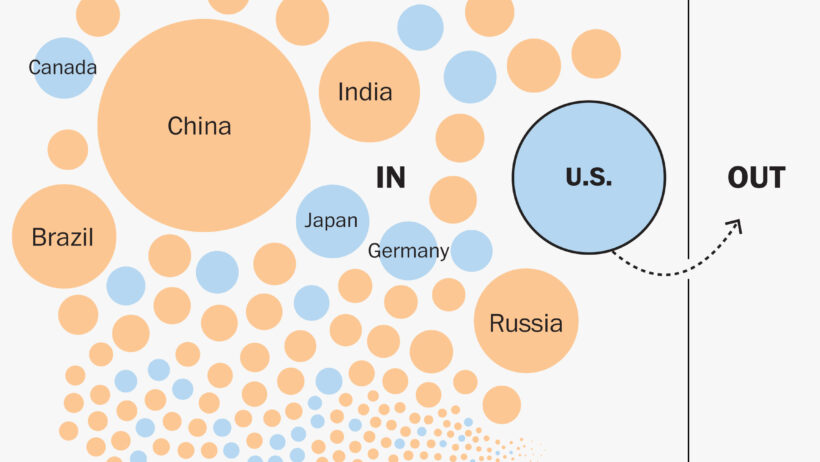
The ratification of the agreement started in 2016, and it entered into force on November 4, 2016, when 55 countries accounting for at least 55% of global emissions ratified it. However, the journey has not been without obstacles. The United States initially signed the agreement under the Obama administration, but a shift in leadership saw the U.S. withdrawal from the pact in 2017. This decision underscored the fragility of political commitments and the variegated approaches nations can take toward climate policy, evoking widespread concern among environmentalists and global leaders seeking sustained progress.
Rejoining the pact under the Biden administration in 2021 marked a significant turning point. It reinvigorated discussions and collaborations not just within the U.S. but also among other nations, underscoring the critical importance of favorable diplomatic relations when it comes to addressing worldwide challenges like climate change. This reinstatement highlighted the notion that the climate crisis truly requires a united front—where individual actions converge toward a common goal of a sustainable future.
The scope of the Paris Agreement extends beyond mere emissions reductions; it also encompasses a framework for financial commitments. Wealthier countries are urged to mobilize $100 billion a year by 2020 to support the ongoing needs of developing nations in climate adaptation and mitigation efforts. This financial aspect is pivotal, as it acknowledges the disparities in resources and capacities across different regions of the globe. The success of the agreement hinges on the fulfillment of these promises, showcasing how interdependence plays a crucial role in addressing global challenges.
As nations continue to grapple with the realities of climate change, the promises enshrined in the Paris Agreement present an opportunity for a paradigm shift in both perspective and action. They beckon countries to not only reassess their economic frameworks but also to innovate in sustainable technologies and practices that can redefine our coexistence with the planet. The agreement calls for an inquisitive exploration into renewable energy sources, sustainable agriculture, and carbon removal technologies, highlighting a path toward not just mitigation but also resilience against the adversities wrought by climate change.
In conclusion, the Paris Climate Agreement stands as a testament to global solidarity in the face of a growing crisis. The act of signing this pact goes beyond a mere commitment; it embodies a vision for a sustainable world where collaborative efforts can lead to a healthier planet for future generations. Each signatory both retains a responsibility and gains an opportunity, engaging in this global dialogue fostering hope and action toward mitigating climate change impacts. As the climate narrative evolves, the agreement remains a pivotal instrument guiding nations toward a unified and informed approach, encouraging continual curiosity and innovation in the fight against climate change.