
Western Europe, a verdant tapestry stitched by rolling hills and picturesque coastlines, presents a climate that is remarkably mild, defying the expectations that one might hold for a region situated at such high latitudes. To understand the factors behind this gentle climate, one must delve into a confluence of geographical, meteorological, and oceanic influences that grace this unique area of the world.
At the heart of Western Europe’s climate lies its geographical positioning. Nestled between the Atlantic Ocean and the vast mass of the European continent, this region enjoys an advantageous juxtaposition. The latitude ranges from approximately 35° to 60° North, exposing it to the temperate belt, but it is the maritime influence that profoundly dictates its weather patterns. The Atlantic Ocean acts as a colossal thermal regulator, absorbing heat during the summer months and releasing it slowly during the cold season, smoothing out the fluctuations that often plague continental climates. Without this aqueous buffer, Western Europe could resemble the more frigid climates of Eastern Europe—a stark and less hospitable locale.
The North Atlantic Drift, an extension of the Gulf Stream, plays an indispensable role in nurturing Western Europe’s mild environment. This warm ocean current traverses the Atlantic, bringing balmy air and warmer sea temperatures. It is akin to an invisible hand that caresses the coastal regions, imbuing them with a temperate character. As warm winds rise from the ocean and mingle with cooler inland air, they create a harmonious equilibrium that yields mild winters and temperate summers. Coastal cities like London and Amsterdam enjoy average winter temperatures that are surprisingly temperate when compared to cities located at similar latitudes in North America or Asia.
Consider the storied landscapes of the British Isles. The lush greenery and pastoral scenes owe much of their vitality to this maritime climate. With higher precipitation levels than many inland areas, the presence of moisture fosters a thriving biodiversity that captivates the senses. The landscape, punctuated by bucolic farms and wildflower-strewn meadows, flourishes under the nurturing touch of this unique climatic regime. The dramatic cliffs of Ireland, bedecked in emerald hues, exemplify this balmy temperament; they are a testament to the power of warm waters flowing from the Atlantic.
Moreover, the orography of the region amplifies its climatic diversity. The majestic mountain ranges, like the Alps and the Pyrenees, act as barriers, shaping wind patterns and precipitation. As moist air flows inland, it encounters mountainous relief, which forces it to rise, cool, and condense, giving rise to precipitation on the windward side. Conversely, the leeward side experiences a rain shadow effect, creating a disparity in climate that enriches biodiversity across the region. The interplay between mountainous terrains and the ocean mists enhances the mosaic of ecosystems, adding layers of complexity to Western Europe’s climate.
This climatic interplay does not exist in isolation; it is influenced profoundly by global phenomena such as the North Atlantic Oscillation (NAO). This climate fluctuation, occurring on a decadal scale, modifies the strength and position of westerly winds that sweep across the Atlantic. During positive phases of the NAO, Western Europe is often graced with warmer, wetter winters. Conversely, negative phases can herald harsher winters, yet the overall climate remains comparatively mild. These oscillations serve as a reminder of the dynamic nature of climate patterns, which can yield unexpected flowers of warmth amidst the cold.
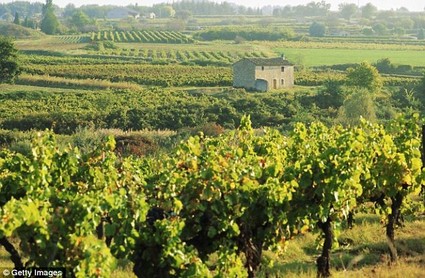
It is important to recognize how the mild climate of Western Europe has shaped human activity and society throughout history. The temperate conditions have allowed for an agrarian economy to flourish, ushering in agricultural practices that benefit from a long growing season. In the past, the abundance of crops fed burgeoning populations, establishing a foundation for civilization. Today, vineyards thrive across the landscapes of France and Germany, producing world-renowned wines—an intrinsic cultural emblem fostered by a temperate climate.
This climatic hallmark not only influences agricultural output but also engenders a lifestyle characterized by outdoor activities and a vibrant cultural scene. Open-air markets, lush parks, and a strength of character resonant in local festivities reflect the community’s interaction with the environment—a dance of humanity in sync with the rhythms of nature. The temperate embrace of the climate fosters a vibrant tapestry of cultural expressions and social gatherings, drawing residents and visitors alike to revel in the shared experience of the seasons.
However, this delicate balance, encapsulated in the mild climate of Western Europe, faces unprecedented challenges. Climate change, a dire consequence of anthropogenic activities, threatens to disrupt these benign conditions, introducing variability and volatility. The warming temperatures may exacerbate heatwaves in summer while altering precipitation patterns in unpredictable ways. Coastal regions that once basked in moderate conditions now grapple with rising sea levels and intensified storms. The implications extend beyond mere meteorological changes; they affect ecosystems, economies, and lives. This beckons an urgent response from societies, calling for sustainable practices that preserve the climate’s delicate equilibrium.
In essence, Western Europe’s mild climate is not merely a backdrop against which life unfolds; it is a vital fabric woven with geographical, oceanic, and atmospheric threads. Each aspect contributes to an intricate display of ecological richness, cultural depth, and human resilience. The capriciousness of nature, tempered by the nurturing embrace of the Atlantic, creates a landscape of remarkable beauty and uniqueness. However, the impermanence of this balance serves as a sobering reminder—one that calls for vigilant stewardship of our environment to safeguard the climate that has so generously graced the lands of Western Europe.