

Climate change is often regarded as one of the most pressing dilemmas of our era. Its dire implications raise a perennial question: will climate change kill us all? The landscape of climate discourse is dotted with both factual evidence and fear-induced rhetoric. In this examination, we will sift through the mélange of scientific realities, speculative projections, and the overarching implications for humanity.
To begin, it is fundamental to delineate the difference between fear and fact as they pertain to climate change. Fear regarding climate change typically arises from its potential catastrophic outcomes, such as rising sea levels, extreme weather patterns, and threats to biodiversity. These fear-laden narratives can drive a sense of urgency; however, they sometimes overshadow the actual data, leading to a grim portrayal of humanity’s future. Conversely, factual discourse revolves around evidence-based projections, emphasizing current scientific understanding of climate change phenomena.
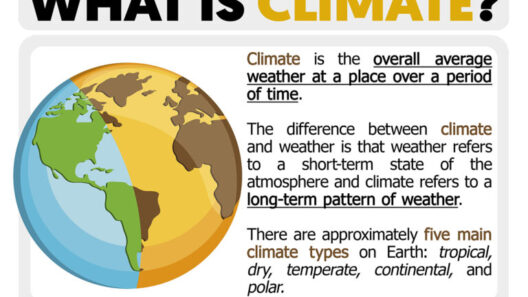
Understanding the drivers of climate change is paramount. At its core, climate change is propelled by the greenhouse effect, where atmospheric gases such as carbon dioxide, methane, and nitrous oxide trap heat from the sun. This phenomenon is exacerbated by human activities, including burning fossil fuels, deforestation, and industrial processes. The accumulation of these gases creates an enhanced greenhouse effect, leading to increased global temperatures. This warming induces a cascade of ecological repercussions, from altered precipitation patterns to accelerated ice melt.
Nevertheless, predicting the exact trajectory of these changes evokes considerable uncertainty. Climate models are employed to simulate potential futures, yet they inherently contain limitations. Some scenarios indicate drastic consequences if greenhouse gas emissions continue unabated. For instance, a 4 to 5-degree Celsius rise in global temperatures could lead to unmanageable impacts on food security and widespread displacement of populations. On the other hand, proactive measures in emissions reduction and renewable energy adoption could catalyze a more promising outcome.
Yet, one must also consider not only the direct effects of climate change but its socio-economic ramifications. Vulnerable populations, particularly in developing regions, face the brunt of climate impacts. The socioeconomic divide accentuates disparities in resilience and adaptive capacity. It is the marginalization of these groups that often evokes the most fear; their potential suffering can be a catalyst for apocalyptic narratives. In contrast, fact-based approaches highlight community-driven adaptation strategies and collaborative mitigation efforts as pathways to empowerment.
Furthermore, discussions about climate change often evoke a strong emotional response, which can fuel the narrative of impending doom. The media plays a significant role in shaping public perception. Sensational headlines and stark imagery can engender panic, overshadowing the more nuanced and multifaceted nature of climate change. For instance, while dramatic events such as hurricanes and wildfires are indeed increasing in frequency and intensity, framing these occurrences as definitive proof that “climate change will kill us all” oversimplifies a complex issue. Instead, it is vital to contextualize these events within the broader framework of climate variability, resilience strategies, and human ingenuity.
Nevertheless, the potential for existential threats remains unignorable. Ecosystems are under severe stress, leading to biodiversity loss that threatens the existence of numerous species. The direct ripple effects could unsettle food webs and disrupt the delicate balance of our planet’s natural systems. However, the notion that climate change will lead to the annihilation of humanity is overly drastic. History has shown that humans possess an extraordinary capability to adapt. Innovations in technology, shifts in policy, and grassroots movements can contribute significantly to combating climate change.
International cooperation is imperative to navigate the complexities of climate change. The Paris Agreement represents a global acknowledgment of our collective responsibilities. Nations are beginning to recognize that addressing climate change is not solely an environmental issue but a moral obligation to safeguard future generations. The potential for climate diplomacy and collaborative innovation underscores a more hopeful narrative. Countries sharing technology and resources can mitigate the adverse effects and foster sustainable development.
Moreover, the role of renewable energy cannot be overstated. Transitioning to solar, wind, and other renewable sources of energy presents not only a method of reducing greenhouse gas emissions but also a chance to revitalize economies and create new jobs. This shift can fundamentally reshape our relationship with energy, illustrating a path toward sustainability that is rooted in pragmatic optimism rather than fear.
As we navigate this critical junction, it is essential to foster informed dialogue that balances fear with factual awareness. Public understanding of climate change should encompass both the gravitas of its impacts and the agency individuals and communities possess to effect change. This duality—acknowledging the challenge while recognizing human capacity for resilience—is essential. The narrative surrounding climate change should not dwell solely in the realm of dystopia; it can inspire innovation, catalyze policy reform, and motivate collective action.
In summary, while climate change poses significant threats, the assertion that it will kill us all exemplifies more sensationalism than scientific certainty. A comprehensive understanding must include a consideration of both factual projections grounded in scientific evidence and the potential for societal adaptation and mitigation. Addressing climate change requires an informed, nuanced discourse that empowers individuals and communities, emphasizing resilience while acknowledging the urgency of the issue. The future is not predefined; it is a tapestry woven by our choices today in combating this global challenge.