


In the intricate tapestry of physics, mechanical energy serves as a fundamental thread, weaving together the principles of potential and kinetic energy. This duality is emblematic of nature’s penchant for balance and conservation. The concept of mechanical energy conservation is a pillar in our understanding of dynamics, akin to a guardian that ensures energy, much like water in a flowing stream, is never truly lost but merely transformed from one form to another.
At its essence, mechanical energy is the sum of the potential energy (PE) and kinetic energy (KE) of an object. Potential energy, the latent energy residing in an object due to its position or state, can be likened to a coiled spring; it is brimming with potential, waiting for the right moment to unleash its stored energy. Kinetic energy, on the other hand, is the active manifestation of energy, embodying motion and velocity. The equation expressing this relationship—( KE = frac{1}{2}mv^2 )—reveals the intrinsic link between mass (m) and the square of velocity (v), underscoring that even a slight increase in speed leads to a significant surge in energy. Together, these two forms of energy encapsulate the dynamic interplay within our physical universe.
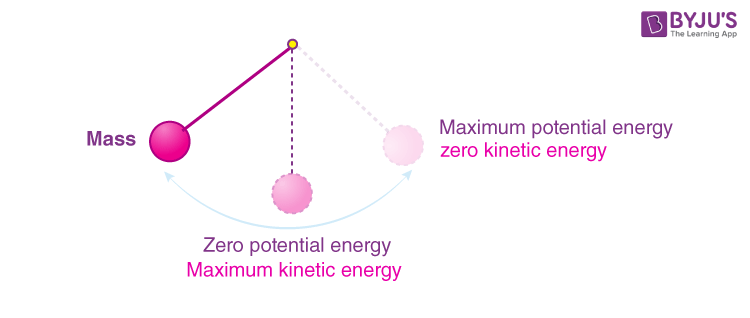
The law of conservation of mechanical energy posits that in an isolated system, where no external forces perform work, the total mechanical energy remains constant. This principle can be visualized through the metaphor of a pendulum. As the pendulum swings, it reaches its zenith—where potential energy is maximized and kinetic energy is minimized—before cascading into its lowest point, where kinetic energy peaks and potential energy wanes. This continuous transfer, reminiscent of the cyclical nature of life and energy, illustrates a profound truth: energy is perpetually transmuted but never extinguished.
Understanding the conservation of mechanical energy extends beyond the realm of physics; it serves as a harbinger of responsible energy utilization in our daily lives. As individuals, we possess the capacity to influence our own energy landscapes. For instance, consider the design of roller coasters, marvels of engineering that exemplify mechanical energy conservation in action. As the coaster climbs to its apex, passengers experience the build-up of potential energy, only to be catapulted into exhilarating kinetic energy as gravity takes hold during the descent. This thrilling experience not only captivates but also serves as a tangible demonstration of energy conservation principles at play.
Another poignant illustration lies in the realm of renewable energy, where the conservation of mechanical energy plays a crucial role. Wind turbines, harnessing the inexhaustible energy of moving air, convert kinetic energy from wind into electrical energy. This potent transformation emphasizes the need for innovation that respects the foundational laws of physics while aiming for sustainability. In this context, conservation is not merely a scientific principle—it’s a catalyst for change in how we perceive and implement energy solutions.
Delving deeper, the conservation of mechanical energy can be applied to a variety of scenarios and systems, from the simple act of throwing a ball to the elaborate orbits of celestial bodies. When a thrower launches a ball into the air, the initial kinetic energy (from the throw) is gradually converted into potential energy as the ball ascends. At its apex, the ball momentarily halts, encapsulating maximum potential energy before succumbing to gravity and plummeting back to earth. Each transition between energy forms endows observers with an appreciation for the seamless flow of energy through different states.
While the conservation of mechanical energy is generally upheld in ideal conditions, real-world factors often intervene, introducing complexities that can disrupt this equilibrium. Friction, air resistance, and other forms of dissipation serve as reminders of the impermanence of mechanical energy. Just as the force of gravity pulls us toward the ground, these resistive forces diminish the total mechanical energy of a system, converting it into less useful forms, often thermal energy. In essence, pursuing perfect energy conservation in practical applications is akin to the quest for the Holy Grail—a noble ambition tempered by the realities of our environment.
It is perhaps this inherent struggle between conservation and dissipation that draws a parallel with our fight against climate change. Energy conservation principles remind us that every drop of energy matters, and in a world of finite resources, wastefulness can lead to ecological ramifications. Embracing mechanical energy conservation in our technology and societal practices heralds a shift towards sustainability, urging innovation that respects nature’s intrinsic laws.
In conclusion, mechanical energy conservation emerges as not just a cornerstone of physics but also a clarion call for responsible stewardship of our environmental resources. By illuminating the interconnectedness of energy forms, we unlock a deeper understanding of our role within the broader ecological system. Whether through the oscillations of a pendulum, the rush of a roller coaster, or the turbines capturing gusting winds, the principles of conservation resonate with the rhythms of nature. Thus, embracing these tenets can pave the way toward a future that harmonizes human ingenuity with the natural world, establishing a legacy of sustainability that echoes the timeless dance of energy across the universe.