



Sound energy, a phenomenon intricately woven into the fabric of our daily lives, is often overlooked when discussing energy conservation. Yet, a deep dive into the physics of vibrations reveals that sound energy can indeed be conserved, presenting both intriguing possibilities and challenges. Through understanding the principles of vibration, we can shift our perspective on energy conservation, ultimately piquing our curiosity and fueling our desire to encompass every form of energy as part of our conservation efforts.
To comprehend the conservation of sound energy, one must first grasp the basic principles of sound and its relationship with energy. Sound is a mechanical wave, specifically a longitudinal wave, that propagates through a medium—typically air, but also through liquids and solids. As sound travels, it does so by inducing vibrations in the particles of the medium through which it moves. When an object vibrates, it creates variations in pressure that we perceive as sound. The energy associated with these vibrations is what we refer to as sound energy.
At the heart of the discussion on sound energy conservation lies the law of conservation of energy, which states that energy cannot be created or destroyed, only transformed from one form to another. When sound is produced, vibrational energy is converted into sound energy. Conversely, sound energy can be transformed back into different forms, such as mechanical energy when it causes an object to vibrate or electrical energy when used in various technological applications.
The intriguing aspect of sound energy lies in its ability to be stored, transferred, and utilized. When sound waves propagate through air, they dissipate energy as they travel farther from the source, leading to decreased amplitude and intensity. This dissipation is a significant factor when considering sound energy conservation, emphasizing the importance of understanding how sound interacts with its environment.
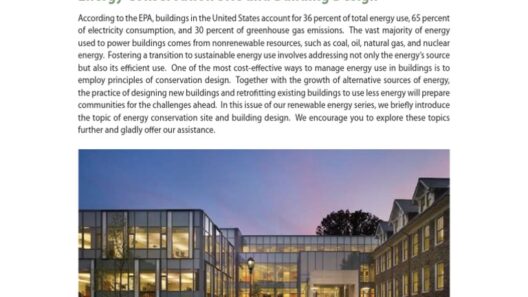
By applying the principles of physics, we can evaluate the ways in which sound energy can be conserved. For example, resonance is a phenomenon often harnessed in musical instruments, where specific frequencies can be amplified when an object vibrates at its natural frequency. This principle showcases how sound energy can be efficiently stored and utilized. Similarly, in architectural acoustics, the design of spaces to enhance sound energy retention can contribute significantly to conserving sound energy.
Furthermore, consider the delicate balance between sound energy and its potential to be harvested. Innovations in technology have emerged wherein sound is captured and converted into usable energy. Piezoelectric materials, for instance, can convert mechanical vibrations from sound waves into electrical energy. This groundbreaking advancement opens avenues for sustainable energy solutions, showing that sound energy can play an integral role in energy conservation efforts.
The question of whether sound energy can truly be conserved is multilayered, intertwined with the efficacy of mechanisms that can mitigate energy loss. Echo cancellation technology, for instance, illustrates techniques implemented in various sectors, from telecommunications to architectural design, that ensure sound energy retention during transmission. By maintaining the integrity of sound waves, we can enhance overall energy efficiency.
Moreover, sound energy conservation intersects with environmental sustainability. Noise pollution, prevalent in urban agglomerations, not only contributes to health problems but also signifies a waste of energy. Optimizing sound energy usage can lead to quieter technologies and practices, encouraging both sound conservation and environmental wellness. This dual perspective fosters an understanding that conserving sound energy is not merely an acoustic challenge but an overarching environmental consideration.
Bridging these concepts also necessitates a discussion on the broader implications of sound energy conservation. As we continue to explore the realm of physics, researchers are unveiling the complexities of sound design to maximize energy efficiency across various industries. From designing quieter automobiles that utilize sound energy more effectively to developing methodologies that minimize sound loss in theaters, the insights gained are illuminating the path toward conserving energy in innovative ways.
Ultimately, the analysis of sound energy conservation allows us to reframe our understanding of energy as a holistic concept. It is no longer confined to electricity or thermal energy—sound occupies an essential position in this dialogue. By evolving our perspective and recognizing the multifaceted nature of energy conservation, we can encourage practices that will have long-lasting benefits not only for our immediate environments but also for the planet as a whole.
The intricacies of sound energy conservation beckon us to marvel at the physics behind vibrations. As we navigate this complex landscape, each frequency we explore offers a chance to innovate and implement energy-saving technologies that honor not just our acoustic experiences but the ecological balance we strive to protect. In recognizing that sound energy can indeed be conserved, we harness the power of awareness, innovation, and responsibility—attributes that are essential for fostering a sustainable future.