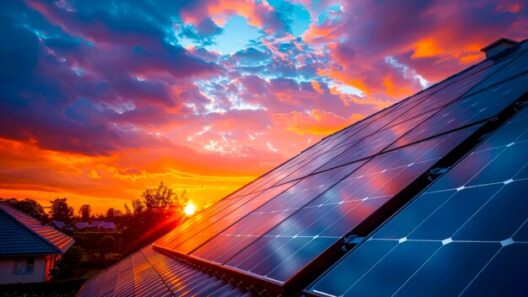

Solar energy is a renewable resource that has garnered significant attention due to its potential to alleviate our reliance on fossil fuels and contribute to a greener planet. However, one of the critical questions facing solar energy technology is whether this energy can be conserved effectively after it has been captured. The exploration into this aspect of solar energy reveals various methodologies, storage technologies, and practical applications that contribute to a more sustainable energy infrastructure.
To begin with, it is essential to understand the nature of solar energy production. Photovoltaic (PV) systems, which convert sunlight directly into electricity, operate best during daylight hours. However, the energy consumption patterns of homes and businesses do not always align with these peak generation periods. Consequently, the need for energy conservation and storage becomes imperative. Energy conservation, in this context, refers to the methods employed to store energy for later use, ensuring that the solar energy captured does not go to waste.
One of the most prominent technologies used for conserving solar energy after it is captured is battery storage. Lithium-ion batteries are currently the most common choice for residential solar energy systems. They allow homeowners to store excess energy generated during the sunny hours for use during the night or on cloudy days. The development of advanced battery technologies has been prolific in recent years. Innovations such as flow batteries, which use liquid electrolytes to store energy, and solid-state batteries, which promise higher energy density and safety, are paving the way for improved solar energy conservation.
Furthermore, the efficiency of solar panels has seen substantial advancements. High-efficiency PV modules can convert more of the sun’s energy into usable electricity, thus increasing the amount stored. Coupled with efficient energy management systems, such as smart inverters, these technologies work synergistically to optimize energy capture and storage. These inverters can adjust the output of solar panels based on real-time usage data, ensuring that any excess energy generated is directed towards storage rather than being lost.
In addition to battery storage, thermal energy storage systems present another avenue for conservation. This technology captures solar energy in the form of heat, which can then be retained for later use. Concentrated Solar Power (CSP) plants commonly utilize molten salt to store heat from the sun. This heat can be used to generate steam that drives turbines even after the sun has set, thus providing a supply of energy that extends beyond daylight hours. This type of conservation system exemplifies an innovative approach to utilizing solar energy beyond its immediate generation period.
Moreover, innovative storage solutions are being developed through the integration of various renewable energy sources. Hybrid systems, which combine solar, wind, and hydropower, can provide a more stable energy supply by compensating for the intermittent nature of each source. By diversifying energy generation and employing various conservation methods, entire grids can become more resilient, allowing for greater usage of renewable energy.
The design and architecture of solar energy systems also play a critical role in conservation. Building-integrated photovoltaics (BIPV) are innovative systems that incorporate solar cells into building materials, such as windows and facades. These designs help maximize the capture of solar energy while contributing to the aesthetic appeal of structures. Furthermore, energy-efficient design principles, such as passive solar heating and strategic placement of windows, can reduce overall energy consumption, allowing for more effective use of the solar energy that is captured.
Policy and economic factors also play a significant role in the conservation of solar energy. Incentives such as tax credits and rebates for solar installation promote the adoption of solar technology. Additionally, regulatory frameworks that require or encourage renewable energy integration into the energy mix facilitate the development of storage solutions and energy conservation practices. These policies can incentivize not just individual installations but also large-scale solar farms that can invest in advanced technologies for conservation at the grid level.
However, challenges remain in the realm of solar energy conservation. Battery storage, while advanced, still faces issues related to cost, life span, and environmental impact concerning material sourcing and disposal. Furthermore, the efficiency of energy conversion and storage systems needs continual improvement to meet growing energy demands. As technology develops, it is imperative to balance the associated ecological impacts with the benefits of solar energy to ensure sustainable practices.
In conclusion, the capacity to conserve solar energy post-capture is not only feasible but critical for the effective utilization of this abundant resource. Through advancements in storage technology, strategic architectural designs, and supportive policies, the future of solar energy conservation appears promising. As these technologies continue to evolve, it will be essential to consider their integration into global energy strategies. Collective efforts towards enhancing solar energy conservation will contribute not only to energy security but also to a sustainable and environmentally responsible future.