
Transformers, in the realm of electrical engineering, stand as a pivotal technology for the efficient transfer of energy. Their design and function elicit frequent inquiries regarding the fundamental principles of energy transfer, especially the interpretation of energy conservation laws. To explore whether transformers break energy laws or simply transfer it efficiently, let us delve into the mechanics of these devices, their inherent capabilities, and the implications they hold for energy conservation.
At their core, transformers operate on the principle of electromagnetic induction, a phenomenon first elucidated by Michael Faraday. By employing two coils of wire, known as the primary and secondary windings, they facilitate the exchange of electrical energy between circuits at differing voltage levels. The intricate dance of electrons within these coils, likened to a ballet of invisible forces, illustrates the seamless transition of electrical energy from one conduit to another, without loss or alteration of potency.
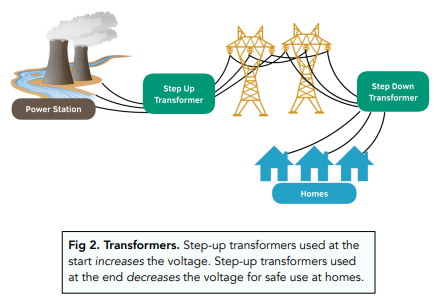
To better understand the workings of transformers, we must first grasp the concept of alternating current (AC). Unlike direct current (DC), which flows in a single direction, AC oscillates back and forth. This characteristic is crucial for the functionality of transformers as it allows for the continual changing of magnetic fields, thus enabling the induction process. The transformer operates akin to a sophisticated relay race, where energy is passed from the primary winding, through the magnetic core, and into the secondary winding. Here, the voltage can be stepped up or stepped down, depending on the ratio of turns in each winding. This capability facilitates transmission across long distances, where high voltages reduce the energy lost to heat from resistance in the wires—an embodiment of energy conservation in action.
However, the efficacy of transformers raises valid questions about adherence to the fundamental law of thermodynamics, particularly the law of conservation of energy. This law stipulates that energy cannot be created or destroyed but remains constant within a closed system. When we examine the transformer through this lens, it becomes evident that it does not contravene this fundamental principle. Instead, transformers exemplify the ability to manipulate energy in a manner that optimizes its use. Despite minor losses during operation—primarily due to resistance and magnetic hysteresis—the vast majority of energy is preserved, maintaining the integrity of the conservation law.
Examining the efficiency of transformers reveals an impressive performance metric; most modern transformers boast efficiency ratings exceeding 95%. This is akin to a well-tuned orchestra performing a symphony, where each instrument contributes harmoniously without unnecessary discord. The high efficiency underscores the technological advancements in materials and engineering practices, allowing transformers to minimize energy waste, thus reinforcing their role as facilitators of energy conservation.
Moreover, the transformative impact of transformers extends beyond simple electricity transmission. They play a crucial role in renewable energy applications, facilitating the integration of solar and wind power into the electrical grid. The variability inherent in these energy sources necessitates efficient management, and here, transformers are invaluable. They convert the fluctuating electricity generated by these sources into stable voltage levels suitable for distribution, thereby ensuring that renewable energy contributes effectively to the overall energy mix.
In a broader context, the advent of smart transformers—integrated with modern technology—brings forth new paradigms for energy management. Equipped with sensors and communication capabilities, these devices monitor real-time electricity flows and adapt to varying demand scenarios. This responsiveness helps to mitigate energy waste and promotes a more sustainable infrastructure. It is reminiscent of a dynamic ecosystem, wherein organisms interact and adapt to sustain their environment, paralleling the functionality of smart transformers in a changing energy landscape.
Despite the myriad advantages offered by transformers, the potential for misinterpretation of their function persists. Some skeptics may perceive the high voltage drop across transformers as an energy loss. Yet, it is essential to recognize that this voltage transformation is not energy loss but a necessary adjustment that enables efficient distribution. The energy is neither gained nor lost; rather, it is transmuted into a form amenable to transmission, thereby adhering to the overarching conservation principle.
Furthermore, while it might be tempting to consider transformers as mere facilitators of energy transfer, one must acknowledge their broader implications on sustainability and resource management. By enhancing the efficiency of energy systems, they contribute to the reduction of our carbon footprint. Economically favorable, these devices not only save costs associated with energy loss during transmission but also foster a culture of conservation, illuminating the path toward a more sustainable future.
As society progresses, the role of transformers in energy distribution and adoption will become increasingly pronounced. Their ability to efficiently transfer energy aligns perfectly with the global imperative to conserve resources and mitigate waste. It is crucial to appreciate that these electronic marvels neither break the laws of energy conservation nor operate outside their boundaries. Instead, they exemplify the potential of technology to enhance the efficiency of energy usage—a necessary step in the quest for a more sustainable world.
In conclusion, transformers serve as a testament to humanity’s ingenuity and its commitment to conservation. Through their design, function, and applications, they epitomize our ability to harness energy with precision, ensuring that we not only adhere to the fundamental laws of physics but also foster a culture of sustainability and conservation. By embracing these principles, we ensure a brighter and more efficient energy future, where technology works harmoniously with the environment.