


Biomass energy, derived from organic materials, represents a significant opportunity to conserve energy sustainably. By utilizing waste materials and renewable resources, biomass can mitigate dependence on fossil fuels and reduce greenhouse gas emissions. This discussion revolves around the mechanisms through which biomass contributes to energy conservation, its various forms, benefits, and challenges.
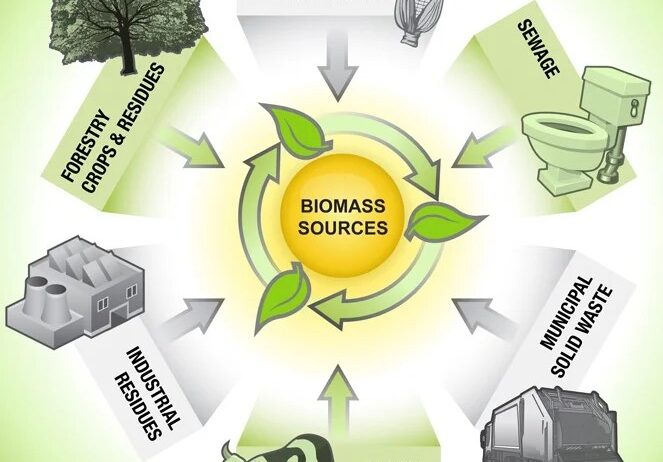
To begin with, it is essential to delineate the types of biomass. Biomass encompasses a wide range of materials such as agricultural residues, forestry products, animal manure, and organic municipal waste. Each category serves as a potent source of biomass energy, which can be harnessed through several conversion processes, including combustion, gasification, and anaerobic digestion. This versatility in resource materials posits biomass as both an energy source and a method for waste management, fostering a circular economy.
Combustion, the most straightforward method of biomass energy conversion, entails burning biomass to produce heat. This heat can then generate electricity or provide direct heating options for residential and industrial applications. Moreover, modern facilities equipped with advanced technology ensure that combustion is not only efficient but also minimizes harmful emissions. Consequently, biomass combustion often has a lower carbon footprint than traditional fossil fuel sources, as the CO2 released during combustion is offset by the CO2 absorbed during the growth of the biomass.
Gasification, on the other hand, transforms biomass into synthetic gas (syngas) through partial oxidation at high temperatures. This process produces a cleaner fuel that can be utilized for electricity generation or as a precursor for biofuels. Syngas can also be converted into hydrogen, presenting a promising avenue for fuel cell technologies. The dual benefit of biomass gasification not only conserves energy but also peels back layers of waste management by creating valuable products from otherwise discarded materials.
Anaerobic digestion is another innovative biomass conversion process, wherein microorganisms break down organic material in the absence of oxygen. This method yields biogas, a mixture primarily composed of methane. Biogas can be directly utilized for electricity and heat generation, or it can be upgraded to renewable natural gas and injected into existing gas infrastructure. This biological process exemplifies the potential for biomass to generate energy sustainably while simultaneously managing organic waste effectively.
One of the most compelling advantages of biomass energy is its role in carbon neutrality. As plants grow, they absorb carbon dioxide from the atmosphere. Therefore, when biomass is used for energy, the CO2 released during its combustion is effectively reabsorbed by new plant growth. This lifecycle creates a closed-loop system that contributes to climate change mitigation. Moreover, implementing biomass energy solutions alleviates pressure on landfills, where organic waste can produce methane, a potent greenhouse gas that significantly contributes to climate change.
Furthermore, biomass energy fosters energy independence. Many regions possess abundant natural resources that can be converted into biomass energy. By investing in local biomass energy infrastructures, communities can fortify their energy security, minimize reliance on imported fossil fuels, and stimulate their local economies. This local energy production not only creates jobs in renewable energy sectors but also invigorates rural communities reliant on agriculture and forestry.
In addition to energy independence, biomass contributes to sustainable agricultural practices. Utilizing agricultural residues for energy production adds value to the farm ecosystem while reducing waste. This approach encompasses not just economic benefits but also ecological advantages. Crop rotation strategies that include biomass production can improve soil health by increasing biodiversity and organic matter, thereby enhancing resilience against erosion and other environmental challenges.
Despite its myriad benefits, the adoption of biomass energy is not devoid of challenges. Land-use competition between food production and biomass cultivation poses a significant dilemma. If not managed judiciously, increased biomass production could encroach upon valuable agricultural land, potentially leading to food security issues. Furthermore, the environmental implications of monoculture plantation practices for biomass production can be detrimental to local ecosystems, affecting biodiversity and soil quality.
To address these concerns, it is essential to establish sustainable biomass management strategies. These strategies can include promoting the use of waste materials as biomass feedstock, encouraging diverse cropping systems, and implementing agroforestry practices that enhance biodiversity while optimizing biomass yield. This approach balances ecological integrity with energy production, ensuring that biomass can serve as a cornerstone of sustainable energy solutions without compromising food security.
The potential of biomass energy is expansive, offering multifaceted solutions that interweave energy conservation, waste management, and local economic development. When integrated into a broader renewable energy strategy, biomass can significantly contribute to reducing fossil fuel dependence and combatting climate change effectively. The maturation of biomass technologies, coupled with prudent management and policy support, could very well herald a new era in energy sustainability. As communities, governments, and industries continue to explore innovative solutions, the promise of biomass as a sustainable energy source remains compelling, inviting further exploration and investment.