
Conserving energy and resources in an office setting is not merely a matter of corporate responsibility; it is an essential practice in the face of escalating environmental challenges. The office environment presents unique opportunities to implement energy-saving measures that can result in significant reductions in both energy consumption and waste generation. Through a blend of strategic planning and conscientious practices, organizations can make a meaningful impact on their carbon footprint.
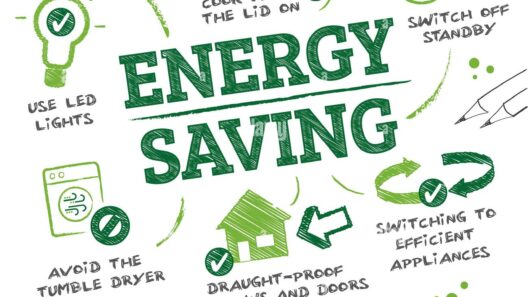
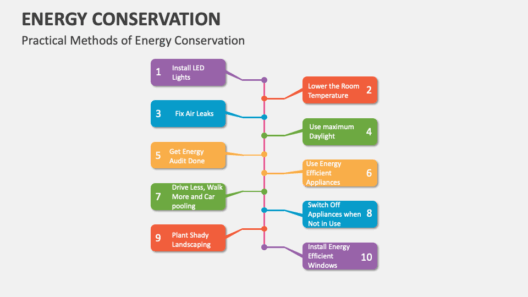
Firstly, a fundamental step in energy conservation involves the optimization of lighting systems. Adequate illumination is critical in any office environment, yet traditional fluorescent bulbs consume considerable energy. Transitioning to energy-efficient lighting solutions, such as LED fixtures, can reduce electricity usage by up to 75%. Furthermore, leveraging natural light by strategically positioning desks and workstations near windows minimizes reliance on artificial lighting during daylight hours. Implementing motion sensors and timers for lighting in less frequently used areas, such as restrooms and conference rooms, further enhances energy efficiency.
Another pivotal area for conservation is the management of HVAC (heating, ventilation, and air conditioning) systems. Proper maintenance of these systems, including regular filter replacements and seasonal tune-ups, ensures optimal performance and energy efficiency. Additionally, programmable thermostats allow businesses to adjust temperatures based on occupancy schedules, thus conserving energy during off-peak hours. Encouraging employees to dress according to the season can also play a vital role—suggesting layers during winter months can lead to higher thermostat settings being acceptable, thus reducing the energy required for heating.
Furthermore, embracing a culture of resource management within the office can catalyze significant behavioral changes among employees. Initiatives such as setting up a recycling program not only decrease waste sent to landfills but also promote a heightened awareness of material consumption. Clearly labeled recycling bins should be easily accessible throughout the workspace to facilitate proper disposal of recyclable materials, thus ensuring that resources are processed effectively. Moreover, organizations should consider hosting workshops to educate employees on best practices for recycling and the importance of reducing single-use plastics.
Digitalization is another pillar in the quest to conserve resources. The traditional paper-intensive environment has been transformed by technology, making it feasible to transition to a paperless office model. By utilizing cloud storage, collaborative software, and digital communication tools, companies can significantly decrease their paper usage. This transition not only saves trees but also reduces energy consumption associated with paper production and printing. Moreover, organizations should encourage the use of digital note-taking applications and e-signature solutions to further minimize reliance on physical documents.
In conjunction with digitalization, investing in energy-efficient office equipment can lead to substantial energy savings. Opting for Energy Star-rated devices, such as printers, copiers, and computers, ensures that the energy consumed is minimized. Additionally, implementing a routine for turning off equipment at the end of the day, including monitors and peripherals, can contribute significantly to overall energy savings. It is also beneficial to conduct regular energy audits to identify high-consumption devices and explore potential replacements with more efficient options.
In terms of water conservation—often overlooked in offices—consideration should be given to plumbing fixtures. Installing low-flow faucets and toilets in restrooms can drastically reduce water usage without sacrificing performance. Moreover, educating employees on the importance of mindful water usage can cultivate a culture of conservativeness. Simple measures, such as encouraging staff to report leaks or drips immediately, can prevent unusable water from contributing to water waste.
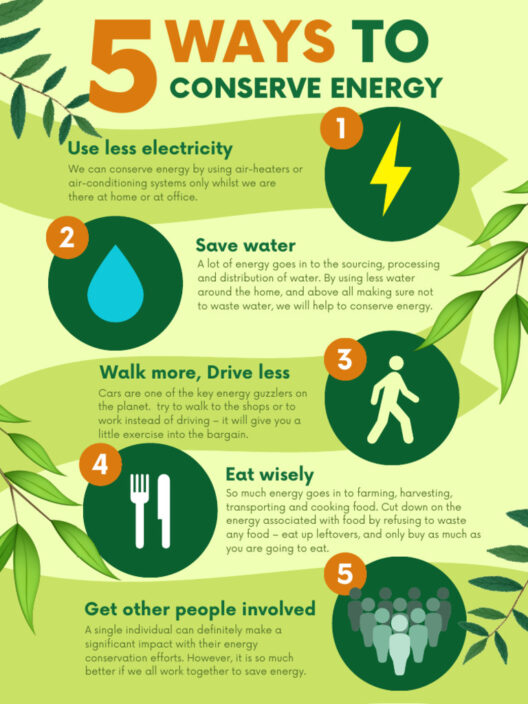
Implementing a comprehensive commuting strategy also contributes to energy conservation. Encouraging employees to utilize public transportation, carpool, bike, or even work remotely when feasible can significantly reduce the overall carbon emissions associated with commuting. Organizations may consider incentivizing these initiatives through commuter benefits or flexible work arrangements, which can enhance employee satisfaction while concurrently reducing environmental impact.
Furthermore, fostering an eco-friendly workplace culture is crucial. Leadership should take the initiative to establish sustainability goals and regularly communicate them to employees, thus integrating environmental responsibility into the corporate ethos. Providing updates on progress, celebrating successes, and recognizing employee contributions toward conservation efforts can inspire further participation. Recognition programs for employees who come up with innovative energy-saving suggestions promote a sense of ownership and responsibility.
In conclusion, conserving energy and resources in an office environment requires a multi-faceted approach that emphasizes commitment, education, and proactive measures. From optimizing lighting and HVAC systems to embracing digital solutions and implementing comprehensive recycling programs, each action contributes to a sustainable workplace. By fostering a culture of conservation, organizations can not only significantly reduce their environmental footprint but also potentially lower operational costs, thereby enhancing their overall sustainability. As the global community continues to grapple with climate change, the time for organizations to act in safeguarding our planet is now. Not only is it a responsibility, but a necessity for future generations.