
As we navigate the complexities of our modern world, one question looms large: how can we, as responsible young citizens, play our part in conserving energy? Energy conservation isn’t just a trendy buzzword; it’s a crucial aspect of protecting our planet for future generations. By taking proactive measures, we can ensure a sustainable future while fostering a deeper appreciation for our environment. This guide offers insights and practical strategies tailored specifically for Class 10 students eager to contribute positively to the world.
First and foremost, it’s vital to understand the concept of energy conservation. At its core, energy conservation involves using less energy by employing more efficient technologies or practices. By reducing consumption, we not only save money but also diminish our carbon footprint — that is, the total amount of greenhouse gases we produce. So, what exactly can you do to make a difference? Here are ten effective methods to conserve energy that are both engaging and achievable.
1. **Embrace Natural Light**: Have you ever noticed how light can brighten your mood? Natural light is not just delightful; it can significantly reduce your reliance on artificial lighting. By opening blinds during the day or rearranging your room to maximize sunlight exposure, you can enjoy a cheerful ambiance while saving electricity.
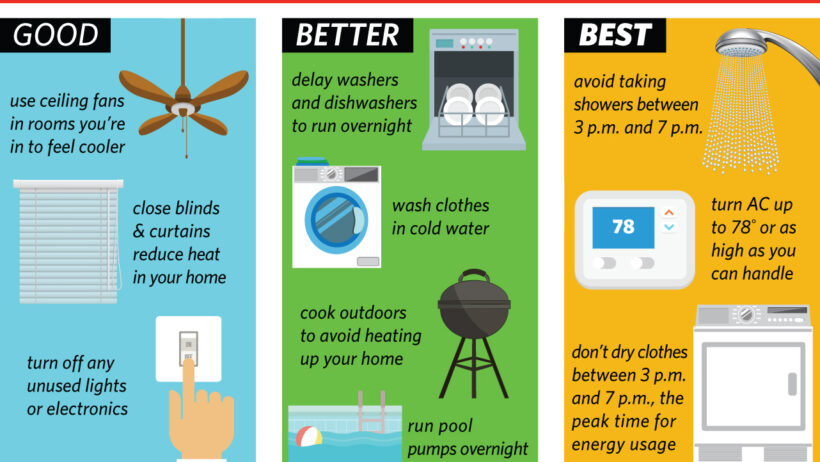
2. **Turn Off and Unplug**: Imagine a world where devices are only powered when they are genuinely needed. When you leave a room, develop the habit of turning off lights, fans, and electronics. Additionally, unplug chargers and appliances when not in use; this simple gesture can prevent energy wastage from phantom loads — energy consumed by devices even when turned off.
3. **Use Energy-Efficient Appliances**: When it’s time to purchase new gadgets, consider their energy efficiency. Look for Energy Star-rated appliances that consume less energy while delivering high performance. Although they might require a higher initial investment, the long-term savings on your electricity bill can be substantial.
4. **Implement Smart Thermostat Controls**: Have you ever wished for a personal assistant to optimize your energy use? Smart thermostats automatically adjust room temperatures based on your habits, ensuring comfort while minimizing energy expenditure. They can learn your preferences and recommend settings that save energy, particularly when no one is home.
5. **Challenge Your Cooking Methods**: Did you know that your cooking approach could be more energy-efficient? Whether you’re boiling water or baking cookies, using a lid on pots can speed up cooking, requiring less energy. Consider preparing larger meals that can be reheated rather than cooking small portions frequently, which can save both time and energy.
6. **Become an Energy Detective**: Have you ever considered conducting an energy audit of your home? This detective-like approach involves checking for drafts, assessing insulation, and identifying areas where energy is lost. By identifying these “energy leaks,” you can implement practical solutions like weatherproofing windows or insulating walls to improve efficiency.
7. **Participate in Community Initiatives**: Have you thought about how teamwork can enhance individual efforts? Engaging in community-based energy conservation initiatives can amplify your impact. Participate in local clean-up drives, tree-planting events, or energy awareness programs. Not only does collective action foster a sense of community, but it also provides educational opportunities about sustainable practices.
8. **Be Mindful of Water Usage**: Have you considered the connection between water usage and energy consumption? Heating water entails significant energy expenditure. Shorten showers, repair leaks, and utilize water-saving fixtures. These tactics conserve both water and the energy required to heat it, creating a positive ripple effect on the environment.
9. **Promote Sustainable Transportation**: How often do you find yourself relying on a car for short distances? Walking, biking, or using public transportation can dramatically reduce energy consumption and greenhouse gas emissions. Challenge yourself and your friends to adopt more sustainable transport methods, especially for short trips or school commutes.
10. **Stay Informed and Advocate for Change**: Are you passionate about fostering a sustainable future? Stay updated on energy conservation issues and advocate for environmentally-friendly policies in your school and community. Encourage discussions in class about renewable energy sources and the importance of reducing carbon emissions. Your voice can inspire others to act and drive collective behavioral changes.
As we draw towards the conclusion of our energy conservation guide, it’s evident that even minor adjustments in our daily habits can yield substantial benefits. Energy conservation isn’t merely a personal challenge; it is a shared responsibility among us all. The discourse surrounding energy usage is ongoing, and it’s imperative for young individuals to lead the charge in making thoughtful choices that enhance sustainability.
In this ever-evolving landscape, let’s ask ourselves not just how we can save energy today, but how we can inspire others to join us in fostering a more sustainable tomorrow. By nurturing a culture of mindfulness about energy consumption, we lay the groundwork for a more environmentally-conscious future — one choice at a time. Indeed, the challenge of conserving energy is not a solitary venture but rather a united endeavor that requires each of us to spark change. Together, we can create a lasting impact on our planet.