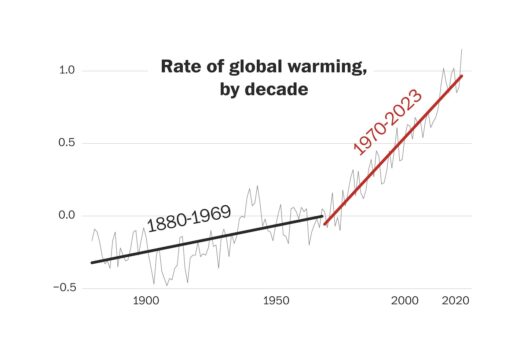

The need for energy conservation transcends mere economic advantages; it is a crucial component in the fight against climate change. By adopting practices that decrease energy consumption, individuals and communities can make substantial strides in reducing their carbon footprints. This essay elucidates how energy conservation translates into diminished greenhouse gas emissions, emphasizing the notion that small changes can yield significant impacts.
Energy consumption is inextricably linked to carbon emissions, primarily due to the combustion of fossil fuels. The electricity that powers our homes, industrial facilities, and public infrastructure is often generated from coal, natural gas, or oil, which emit carbon dioxide (CO2) and other harmful pollutants into the atmosphere. Consequently, decreasing energy usage not only leads to reduced CO2 emissions but also alleviates the strain on natural resources.
One of the most straightforward methods to conserve energy is through the implementation of energy-efficient appliances. When selecting appliances, individuals should consider those that bear the Energy Star label, which signifies compliance with strict energy efficiency guidelines set by the Environmental Protection Agency (EPA). While these appliances may come with a higher upfront cost, they are designed to operate more efficiently, resulting in lower energy bills and reduced carbon footprints over time. For example, switching to LED lighting can save up to 75% more energy than traditional incandescent bulbs, leading to a significant reduction in emissions.
Another paramount avenue for energy conservation lies within the realm of heating, ventilation, and air conditioning (HVAC) systems. Regular maintenance of these systems, such as changing filters and scheduling routine inspections, can improve their efficiency dramatically. Additionally, updating to more advanced systems or programmable thermostats allows for better temperature management, minimizing energy waste when spaces are unoccupied. As studies indicate, an estimated 50% of household energy usage is devoted to heating and cooling. Thus, optimizations in this sector can yield substantial carbon reduction.
In the context of transportation, energy conservation plays a pivotal role. The automotive industry stands as a significant contributor to carbon emissions, primarily through gasoline-powered vehicles. Transitioning to fuel-efficient or electric vehicles is an impactful shift. Public transport systems also warrant consideration; utilizing buses or trains instead of personal vehicles can mitigate traffic congestion and lower overall emissions. Furthermore, walking or cycling for shorter distances not only conserves energy but also promotes physical fitness—a dual benefit.
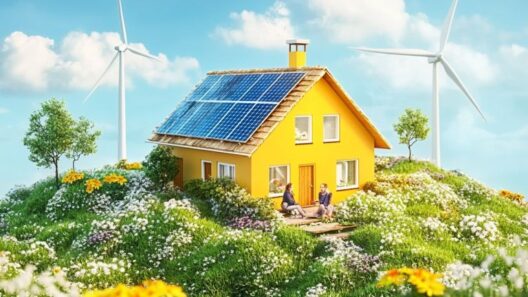
Transitioning to renewable energy sources serves as an additional strategy for energy conservation. Solar panels, wind turbines, and geothermal systems generate energy without the associated emissions of traditional sources. By investing in renewable technology, homeowners can reduce their reliance on fossil fuels substantially. Furthermore, community initiatives to source renewable energy collectively can lead to an aggregated reduction in carbon emissions, enhancing the overall impact.
The role of smart technology in energy conservation should not be overlooked. Smart meters and home automation systems facilitate real-time monitoring and control over energy consumption. Homeowners can manage their energy use more effectively, turning off lights, optimizing resource use, and monitoring appliance efficiency through these systems. This capability empowers individuals to identify energy hogs in their homes and take corrective action, reinforcing the previous notion that small adjustments can lead to significant results.
Behavioral changes are equally critical in energy conservation efforts. Habits such as turning off lights when exiting a room, unplugging devices that are not in use, and utilizing natural light when possible contribute to substantial energy savings. These seemingly minor actions, when multiplied across millions of households, can cumulatively lead to a significant decrease in energy demand. Campaigns aimed at raising awareness about collective behavior change have proven effective in inspiring individuals to adopt more sustainable consumption patterns.
Welcoming energy conservation initiatives into community planning can further enhance the impact of these strategies. Cities can implement policies fostering energy-efficient building designs, promoting green spaces, and encouraging the use of public transportation. These infrastructures support individual efforts, creating an environment conducive to energy conservation on a larger scale. Moreover, collaborative community programs aimed at retrofitting buildings for improved energy efficiency can foster a collective commitment to sustainability.
The economic ramifications of energy conservation must also be acknowledged. Financial incentives provided by governments or local authorities can stimulate energy-efficient investments. Tax credits or rebates for utilizing renewable energy technologies often motivate homeowners to consider these alternatives more seriously. Moreover, the long-term cost savings inherent in energy-efficient practices, such as reduced utility bills, can offset initial investments, thus making sustainability a viable economic option.
Lastly, education and advocacy are paramount in fostering an energy-conscious society. Raising awareness of the impact of energy consumption on the environment is essential. Educational programs fostering a culture of conservation help galvanize communities around climate action. As individuals become informed about the ramifications of their energy choices, they are more likely to prioritize sustainability, thereby perpetuating a beneficial cycle of energy conservation.
In conclusion, the strategies for energy conservation are manifold and can be implemented on both individual and communal levels. With poignant awareness, simple behavioral changes, and an understanding of energy-efficient systems, each person has the power to influence both their carbon footprint and the overarching climate change crisis. Small changes indeed lead to big impacts, and every step taken towards energy conservation can foster a healthier planet for future generations.