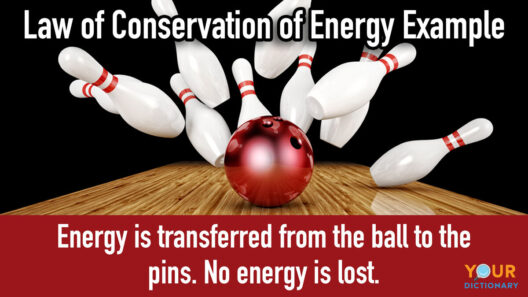

Energy transfer is an omnipresent phenomenon, occurring in myriad forms across the natural world. From the warmth of the sun illuminating our planet to the heated debates over energy consumption and climate change, the principles of physics underpin every facet of energy dynamics. At the foundation of our understanding of energy transfer lies the Law of Conservation of Energy, which states that energy cannot be created or destroyed; it can only be transformed from one form to another. This principle is not merely an abstract theory; it manifests in practical scenarios that bear witness to the interconnectedness of energy forms and their implications for our environment.
To grasp how energy transfer illustrates the Law of Conservation, one must first explore the various forms of energy present in our daily existence. Kinetic energy, potential energy, thermal energy, and chemical energy are among the most common types encountered. Kinetic energy refers to the energy possessed by an object in motion, while potential energy relates to an object’s position or condition, such as a drawn bow. Thermal energy is associated with temperature, representing the total kinetic energy of particles within a substance. Chemical energy is stored in the bonds of molecules and is released during chemical reactions. Understanding these foundational concepts sets the stage for examining how energy transfer occurs.
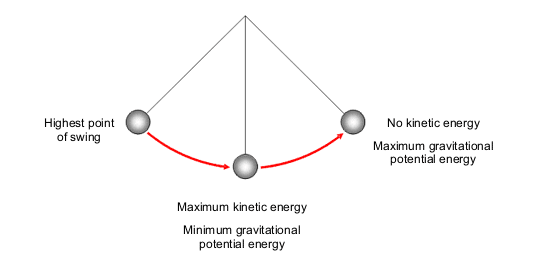
Consider a simple yet illustrative example: a pendulum. As the pendulum swings, it transitions between kinetic and potential energy. At its highest point, the pendulum has maximum potential energy and minimal kinetic energy. When it descends, this potential energy is converted into kinetic energy, reaching its maximum kinetic energy at the lowest point of the swing. As it ascends again, that kinetic energy transforms back into potential energy. Throughout this process, the total amount of energy remains constant, exemplifying the Law of Conservation of Energy in action.
This concept of energy transfer can also be observed in natural systems, particularly in ecological interactions. For instance, during photosynthesis, plants convert light energy from the sun into chemical energy stored within glucose molecules. This transformation demonstrates how energy can be captured and transformed within biological systems. When herbivores consume plants, the chemical energy is transferred to them. Thus, energy is continuously transforming and moving through ecosystems, maintaining a delicate balance that supports life. However, this balance is perturbed by anthropogenic activities, raising concerns about sustainability and climate change. Understanding these processes is imperative for developing effective conservation strategies.
Moreover, consider thermal energy transfer, particularly through conduction, convection, and radiation. When a metal spoon is placed in a hot cup of tea, thermal energy transfers from the tea to the spoon through conduction. The molecules in the tea collide with the molecules in the spoon, imparting energy until they reach thermal equilibrium. Similarly, in convection, warmer fluids rise while cooler fluids descend, facilitating energy transfer within various systems, such as atmospheric processes or ocean currents. Meanwhile, radiation refers to energy transfer through electromagnetic waves, illustrated by sunlight warming the Earth. Each of these processes exemplifies energy transformation while adhering to the conservation principle.
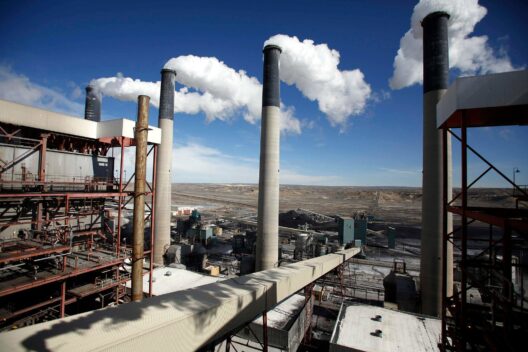
Another noteworthy illustration of energy transfer in action is seen in mechanical systems. When a car accelerates, chemical energy from fuel undergoes combustion to produce thermal energy. This thermal energy is converted into kinetic energy, propelling the vehicle forward. The energy efficiency of this entire process is crucial, as it determines environmental impact. As efficiency decreases, energy waste increases, releasing pollutants and greenhouse gases into the atmosphere. In this context, the direct correlation between energy transfer, conservation laws, and environmental consequences becomes undeniably apparent. The fossil fuel reliance in the automotive industry represents a significant challenge in the battle against climate change, highlighting an urgent need for alternative energy sources and greater efficiency.
Another significant manifestation of energy transfer and conservation is evident in renewable energy technologies. Solar panels harness sunlight, converting light energy into electrical energy through photovoltaic cells. Wind turbines transform kinetic energy from moving air into mechanical energy, which is then converted into electrical energy. These systems epitomize not only the transformation of energy but also the potential for sustainable solutions that align with the Law of Conservation of Energy. By utilizing renewable resources, we can mitigate adverse environmental effects while ensuring energy remains in circulation rather than being depleted.
The significance of understanding energy transfer extends beyond the confines of physics; it forms the backbone of discussions on sustainability, climate action, and environmental stewardship. The interplay between energy forms, conservation laws, and ecological integrity infringes upon various fields, integration of scientific knowledge into public policy, technological innovation, and cultural paradigms. As societies contend with the pressing implications of climate change, a profound comprehension of energy dynamics becomes increasingly critical.
Every time energy transforms, whether it be in a swinging pendulum, a thriving ecosystem, or a bustling city, it echoes the fundamental truth of the Law of Conservation of Energy. Energy is an enduring thread woven into the fabric of existence, challenging us to reconsider our practices, our reliance on traditional energy sources, and the ramifications of energy waste. By fostering a deeper appreciation for the principles guiding energy transfer, individuals can play an active role in advocating for meaningful changes that promote ecological sustainability and combat climate change.
Ultimately, understanding the nuances of energy transfer reveals a complex tapestry of interactions that shapes our world. It invites curiosity and fosters a keen awareness of the consequences of energy use. This awareness is crucial as we navigate an increasingly volatile environmental landscape. The challenge lies not only in adhering to physical laws but in embracing the responsibility to protect our planet and its finite resources for generations to come.