Understanding how matter and energy are conserved in natural processes is pivotal for grasping the intricate workings of Earth’s ecosystems. The conservation of matter and energy is rooted in fundamental scientific principles, shaping the interdependent relationships observed in various environmental systems. This discourse delves into the mechanisms of conservation, illustrating the remarkable equilibrium maintained in nature.
The law of conservation of mass states that matter can neither be created nor destroyed; it can only change forms. This principle is exemplified in numerous natural processes, notably in ecosystems where organic and inorganic matter transform but remain constant in total quantity. For instance, when a tree grows, it utilizes water, carbon dioxide, and sunlight to produce biomass through photosynthesis. The materials absorbed are converted into glucose and oxygen. In this cycle, the carbon, hydrogen, and oxygen atoms are merely rearranged, underscoring the invariant nature of mass. Analyzing this process reveals that ecosystems are not merely chaotic collections of organisms; they are systems governed by strict physical laws.
Energy conservation follows a similar ethos, encapsulated in the first law of thermodynamics: energy cannot be created or destroyed, only transformed. Solar energy, emitted from the sun, constitutes the primary energy source driving various natural processes. In photosynthesis, plants convert sunlight into chemical energy, establishing a foundation for food chains. Herbivores consume plants, transferring this stored energy, which carnivores then acquire by preying on herbivores. Each trophic level illustrates a transformation of energy, showcasing how energy flows through ecosystems while adhering to the principle of conservation. This process highlights a broader, intricate network of interactions that facilitate survival among diverse species.
In analyzing structural relationships, it becomes evident that nutrient cycles, such as the carbon and nitrogen cycles, embody the principles of conservation. In the carbon cycle, carbon atoms circulate through the atmosphere, biosphere, hydrosphere, and geosphere. Carbon dioxide is absorbed by plants during photosynthesis, stored as biomass, and then reintroduced into the atmosphere upon decomposition or combustion. Similarly, the nitrogen cycle culminates in a delicate equilibrium, involving nitrogen fixation, nitrification, and denitrification processes. The continual cycling of these essential elements exemplifies the interconnectedness of ecological systems while affirming the conservation laws governing matter and energy.
Weathering processes also illustrate matter conservation on a geological time scale. When rocks undergo physical or chemical weathering, the original materials are broken down, yet their constituent elements remain. Over eons, these elements may be reconstituted into new geological formations, ensuring that matter remains conserved despite undergoing significant transformations. The cyclical nature of matter through geological processes highlights the Earth’s dynamic equilibrium and the importance of conservation principles in the context of geoscience.
Moreover, human activities can disrupt this balance, frequently leading to dire ecological consequences. Deforestation and over-extraction of resources often hinder the natural cycling of matter. When forests are cleared, carbon stored in trees is released as carbon dioxide, exacerbating climate change. This release of greenhouse gases further fuels the cycle of energy transformation, leading to alterations in climate systems. Awareness of these impacts emphasizes the necessity of sustainable practices that adhere to conservation principles, reinforcing the urgent need to restore harmony in our environmental interactions.
Moreover, methodologies such as permaculture advocate for practices that mimic natural processes. By creating agricultural systems that preserve energy and matter through ecological design, these approaches strive to maintain and enhance this delicate balance. Crop rotation, for example, restores soil nutrients while perpetuating the cycling of vital elements through the soil and biomass. Such sustainable practices underscore the potential of adapting human ingenuity to align with natural conservation mechanisms.
In addition to terrestrial ecosystems, aquatic systems embody principles of conservation in various fascinating ways. For example, the water cycle illustrates the transformation of matter and energy from liquid to vapor, and vice versa. Evaporation absorbs energy, transforming liquid water into vapor, while condensation releases energy, precipitating back to Earth. Such processes emphasize how interconnected water, energy, and matter are, shaping the very fabric of ecosystems and climate dynamics.
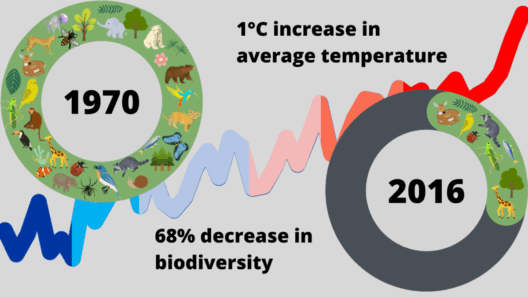
The importance of biodiversity also cannot be understated when discussing matter and energy conservation. Diverse ecosystems typically exhibit greater resilience and efficiency in recycling matter and energy. Species interactions — such as predation, symbiosis, and competition — actively contribute to the flow of energy and the cycling of nutrients, enhancing overall ecological productivity. The extinction of species, therefore, poses a significant threat to this delicate balance, risking the fracturing of these intricate ecological webs.
The future of conservation efforts necessitates a deeper understanding of these principles, advocating for policies that sustain and restore natural systems. Education is paramount; fostering awareness about the significance of matter and energy conservation can empower communities to engage in sustainable practices. Individuals can contribute through lifestyle choices, such as reducing waste, conserving energy, and supporting sustainable agriculture, creating a collective effort to transition our societies toward an environmentally balanced paradigm.
Ultimately, comprehending the conservation of matter and energy within natural processes is not merely an academic endeavor; it is essential for ensuring the continued viability of ecosystems that support life on Earth. Our understanding of these principles lays the groundwork for a sustainable future, enhancing both ecological integrity and human welfare. The principles governing matter and energy conservation elucidate a clear truth: harmony with nature is achievable only through respect for its fundamental laws.