
As we delve into the interplay between energy efficiency and breathing disorders, a pertinent question emerges: How can the design of our living and working spaces—often overlooked in discussions about health—affect the respiratory ailments we face? The convergence of environmental integrity and personal health presents a fascinating conundrum. Beyond simply being conscientious stewards of the planet, can enhancements in energy efficiency fundamentally ameliorate conditions like asthma or chronic obstructive pulmonary disease (COPD)? This inquiry invites an exploration of the role of occupational therapy in this context.
Energy efficiency relates directly to how effectively we use energy in our spaces. This includes appliances, heating/cooling systems, and overall building design. A critical component is indoor air quality (IAQ), which is heavily influenced by energy-efficient practices. With the increased airtightness of modern buildings, pollutants can accumulate if proper ventilation isn’t maintained. Consequently, while energy efficiency may lower energy consumption and greenhouse gas emissions, it poses a challenge when it comes to maintaining fresh, clean air within our homes and workplaces.
When buildings are not designed with adequate ventilation in mind, residents and workers may be exposed to airborne toxins, allergens, and pathogens. These irritants can exacerbate existing breathing disorders, leading to heightened health risks and decreased quality of life. The importance of understanding this correlation cannot be overstated, particularly for individuals already struggling with respiratory conditions. Pollution levels, both outdoor and indoor, become pivotal players in this narrative, as they directly affect the manner in which the body absorbs and utilizes oxygen.
Occupational therapy (OT) enters this conversation as a powerful means of intervention. An emerging field that integrates aspects of health sciences and psychology, OT helps individuals optimize their day-to-day function while also addressing specific health conditions. In the realm of breathing disorders, occupational therapists equip patients with strategies to manage their symptoms and engage in activities that enhance their quality of life.
One of the most salient methods employed by OTs is educating patients about their environment. This includes understanding the implications of energy-efficient living. For instance, an occupational therapist might assess a patient’s home for potential triggers that could aggravate their breathing disorder. They would look for factors such as humidity levels, mold growth, and even the presence of volatile organic compounds (VOCs) released from household products. Armed with this knowledge, patients can make informed decisions that not only comply with energy efficiency but also foster better breathing conditions.
The role of energy-efficient design in promoting respiratory health also extends to the selection of materials used in buildings. A growing awareness surrounding sustainable materials, particularly those low in VOCs and other irritants, is gaining traction in the construction arena. Occupational therapists advocate for such materials—cited candidates include bamboo flooring, low-VOC paints, and natural fiber insulation—as they not only contribute to energy efficiency but also diminish harmful exposures that could exacerbate breathing disorders.
Moreover, the implementation of smart technologies offers promising benefits. Devices that monitor air quality and adjust ventilation systems accordingly can ensure that indoor air remains optimal for respiration. Here, occupational therapists can guide patients in choosing and using such technologies effectively. By leveraging intelligent systems, individuals with breathing disorders can maintain a healthier environment without sacrificing energy efficiency.
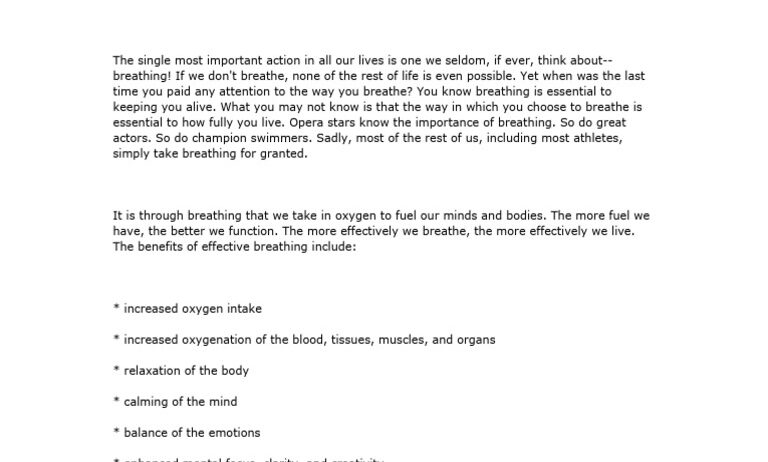
Coping strategies are another essential aspect of occupational therapy. Breathing exercises, relaxation techniques, and paced activity are foundational components. Occupational therapists teach patients how to breath more effectively, focusing on diaphragmatic breathing, which can be especially advantageous for individuals with chronic respiratory issues. The incorporation of these strategies becomes critical in environments that may not offer ideal air quality, empowering individuals to navigate their surroundings more confidently and with less anxiety.
Despite the benefits of innovative design and occupational therapy, challenges remain. How do we balance the need for energy efficiency with the essential requirement for fresh air? This is a multifaceted quandary, especially in urban settings where outdoor air pollution is prevalent. As communities forge ahead with sustainability initiatives, the emphasis must also include health-centric designs that account for all inhabitants, particularly vulnerable populations battling respiratory conditions.
Engagement in community advocacy is vital. By participating in discussions about building regulations, energy policies, and public health initiatives, occupational therapists can raise awareness about the implications of energy efficiency on respiratory health. Through collaboration with engineers, architects, and environmentalists, OTs can ensure that the well-being of individuals with breathing disorders occupies a central role in the development of sustainable living spaces.
Ultimately, the intersection of energy efficiency and occupational therapy presents a unique opportunity. It allows us to rethink our environments, prioritize our health, and strive for a future where sustainable practices foster both environmental and personal wellness. The challenge and opportunity lie in creating spaces that not only conserve energy but also nurture the health of those who occupy them, particularly those living with respiratory disorders. This harmonious approach could very well reshape how we understand the synergy between our habitats and our health. How will we rise to meet this challenge? Will we forge ahead by adopting holistic solutions combining environmental stewardship with health-conscious design? The future beckons a call for action.