
The intricate relationship between energy transfer and the law of conservation of energy is a fundamental principle in both physics and environmental science. This law states that energy cannot be created or destroyed but only transformed from one form to another. Understanding energy transfer not only elucidates physical phenomena but also underscores the critical need for sustainability in our increasingly energy-dependent society. This essay explores these concepts, highlighting common observations while also delving into the deeper implications of energy dynamics.
At its core, energy transfer is a ubiquitous process observed in nature. For example, when a ball is thrown into the air, kinetic energy—energy of motion—transforms into potential energy. As gravity acts upon the ball, the potential energy diminishes and kinetic energy increases as the ball falls back down. This seamless transition illustrates a common observation of energy in motion and sets the stage for a broader discussion on energy dynamics.
Energy manifests in various forms: thermal, chemical, nuclear, mechanical, electrical, and others. Each form has distinct characteristics but adheres to the same immutable rule of conservation. For instance, when burning fossil fuels, chemical energy stored within the materials converts into thermal energy, propelling vehicles or providing heat. While the medium changes, the total amount of energy within the system remains constant. This interplay of energy forms raises compelling questions about efficiency, sustainability, and innovation.
Consider thermodynamic processes, which provide rich insights into energy transfer. In closed systems, energy cannot escape, leading to fascinating studies on heat engines and refrigerators. When a heat engine operates, chemical energy fuels combustion, which generates heat. This heat expels energy as it tries to equilibrate with the cooler surroundings. Interestingly, the efficiency of energy transfer is always less than one hundred percent due to entropy—the measure of disorder. Entropy tells a compelling story about the irreversible dispersal of energy, hinting at deeper ecological implications.
Encompassing these principles in real-world scenarios reveals environmental concerns. Our reliance on fossil fuels epitomizes inefficient energy transfer, with significant losses during combustion and conversion. Not only does this reliance lead to increased carbon emissions, but it also implies a fundamental misalignment with the law of conservation when considering climate change. Sustainable practices must emerge, emphasizing renewable energy sources where energy can be transformed more efficiently with minimal environmental detriment.
In contrast, the utilization of solar energy illustrates a more harmonious relationship with conservation principles. Solar panels convert sunlight—radiant energy—into electrical energy through photovoltaic cells. This transformation is relatively efficient, with minimal loss. Such advancements highlight the potential for sustainable infrastructure that respects the tenets of energy conservation while addressing pressing climate issues.
Additionally, the concept of energy transfer encompasses not only physical processes but also ecological systems. In ecosystems, energy flows from producers to consumers, demonstrating a web of interdependence. Photosynthesis allows plants to convert solar energy into chemical energy, creating biomass that serves as food for herbivores, which in turn become energy sources for carnivores. This intricate network exemplifies energy transfer while underscoring the importance of conserving ecosystems for maintaining energy flow stability and ensuring biodiversity.
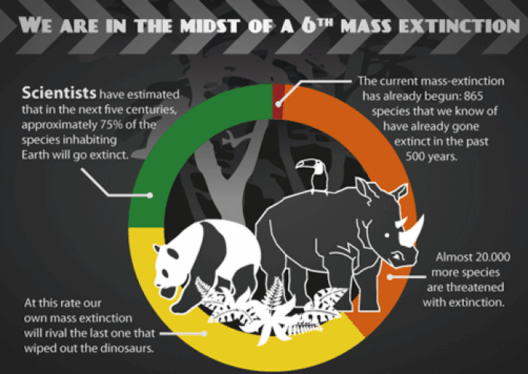
The cumulative impact of energy transfer and conservation on climate change cannot be overstated. Observations of energy dynamics reveal how human activities disrupt natural processes. Urbanization, industrial activities, and unsustainable agricultural practices often amplify energy losses and disrupt ecological balances. These actions lead to increased greenhouse gas emissions, accelerating climate change and infringing upon the law of conservation, as energy is expended haphazardly without respect for natural systems.
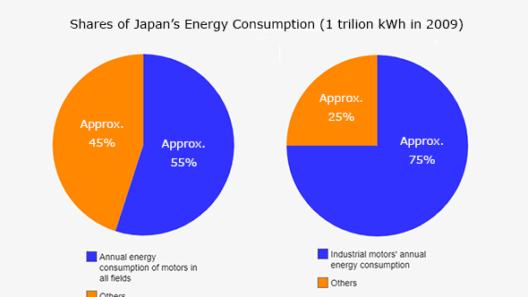
Thus, fostering an understanding of energy transfer should catalyze a paradigm shift towards more sustainable practices. Integrating energy-efficient technologies and renewable resources into daily life can honor the conservation principle by optimizing energy use. By choosing energy-efficient appliances, embracing public transportation, and advocating for policies that promote renewable energy, individuals and communities can effect substantial changes.
Moreover, global initiatives such as the Paris Agreement exemplify collective efforts toward energy sustainability. Countries are beginning to recognize the significance of adhering to the conservation of energy principles as they establish emission reduction targets and transition to clean energy. These movements signify more than policy changes; they represent a cultural shift towards valuing sustainable living and ecological stewardship.
In conclusion, the intricate dance of energy transfer serves as a profound illustration of the law of conservation of energy. From commonplace observations of kinetic and potential energy in motion to complex ecological interactions and global initiatives, the implications of energy dynamics are profound. Fostering an understanding of these processes is essential for addressing climate change effectively and ensuring a sustainable future. The exploration of energy transfer not only deepens our fascination with natural processes but also enlightens our responsibility toward preserving the planet’s delicate balance.