
Energy conservation is an essential concept that affects not only our planet but also binds together communities, families, and individuals. Encouraging children and patients—particularly those who may be more vulnerable to the impacts of environmental degradation—to engage with energy-saving practices can cultivate a profound appreciation for our shared ecological responsibilities. This effort serves multiple purposes: nurturing awareness, promoting responsibility, and fostering a collective desire to combat climate change.
The significance of energy conservation cannot be overstated. The pressing reality of climate change has made it imperative for all of us to take proactive steps toward reducing our energy consumption. For children, understanding the nuances of energy conservation can be an enlightening journey. It opens up discussions about the environment, the science of energy, and the delicate balance of ecosystems. Recognizing that every small action contributes to a larger purpose empowers youngsters and gives them a sense of agency in their daily lives.
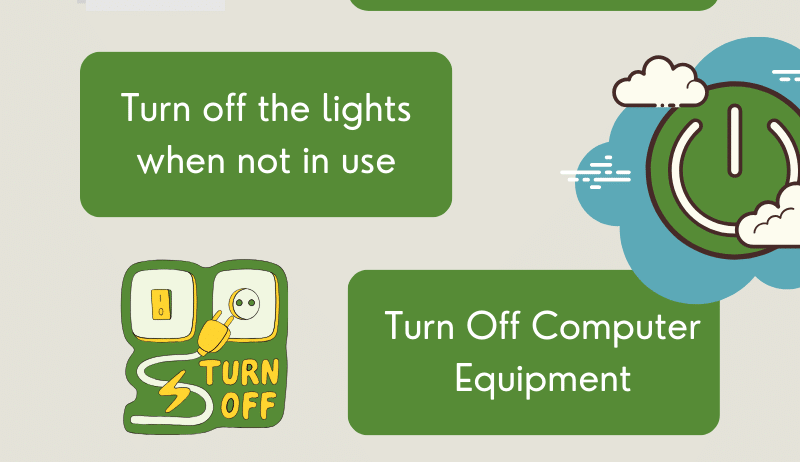
One of the most common observations among young families is the inquiry of how to make energy consumption more sustainable at home. Children are innately curious and often ask thoughtful questions regarding the workings of the world around them. Parents, caregivers, and educators can harness this curiosity as a motivational tool by equipping children with strategies tailored to their abilities and understanding. Simple practices like turning off lights when leaving a room, unplugging devices when not in use, and utilizing natural light can incorporate seamlessly into a child’s routine.
In tandem with practical actions, it’s crucial to delve into the underlying reasons and broader implications of energy conservation. Such discussions pave the way for children to comprehend the consequences of their actions. For instance, when children learn that switching off lights saves energy, they can grasp the concept that reduced energy consumption can mitigate harmful emissions. This creates a critical link between individual behavior and global impact, illustrating how personal actions contribute to the larger tapestry of environmental stewardship.
Moreover, energy conservation particularly resonates with patients, especially those who might face health challenges exacerbated by environmental factors. A profound understanding of energy-saving practices can encourage patients to create healthier, more sustainable environments for themselves and their families. Empowering patients to make conscious energy choices can enhance their overall well-being. For example, ensuring a well-ventilated space can minimize the negative impacts of indoor air pollution, promoting better respiratory health.
To extend the conversation further, educational institutions have begun integrating energy conservation and sustainability into their curricula. Schools play a pivotal role in instilling these values in children. By implementing projects such as school gardens, energy audits, or recycling initiatives, students not only engage in hands-on learning but also cultivate a sense of responsibility towards their immediate environment. Such initiatives lay the groundwork for lifelong habits of conservation and sustainability.
The integration of technology offers innovative pathways for promoting energy conservation among children and patients. With the advent of smart home devices, the ability to monitor and manage energy consumption has never been more accessible. Children can learn to use apps that track energy usage or report on the efficiency of appliances. Discussing the role of cutting-edge technology can make the subject more appealing, showcasing how innovation can be a catalyst for positive change. By embracing new tools, children become early adopters who are informed about the energy systems that define their future.
Creating fun and engaging activities can further deepen the understanding of energy matters for young learners. Interactive games, art projects focused on recycling, or even household science experiments that demonstrate energy use can add a whimsical element to the learning process. Children can visualize energy flow and conservation principles by crafting wind turbines or solar ovens, fostering a tangible connection to energy concepts that may otherwise remain abstract.
Additionally, community involvement is integral to fostering a culture of conservation. Events such as neighborhood clean-ups, tree-planting festivities, or workshops on sustainable living provide platforms for collective engagement. Involving children in community initiatives strengthens their connections to the environment and illuminates the concept of stewardship. Such experiences illustrate that energy conservation is not merely an individual effort but a collective mission that involves shared values and goals.
As children absorb these lessons, they transform into ambassadors for energy conservation at home and in their communities. The siblings, peers, and caregivers around them become influential participants in this ecological paradigm. Encouraging discussions around the importance of sustainable practices can inspire a culture of mindfulness that reverberates through families and social circles.
In conclusion, energy conservation for kids and patients encompasses a multifaceted approach anchored in empowerment, education, and community engagement. It moves beyond rote behaviors and encourages a holistic understanding of the environment and the weight of personal responsibility. Through nurturing curiosity, fostering a sense of agency, and creating community connections, we can ignite a passion for sustainability in the next generation. This transformative journey beckons everyone to participate as stewards of the earth, ensuring a healthier planet for those who come after us. Taking these preliminary steps can lead to a monumental shift in how we approach energy and the environment—both today and for the future.