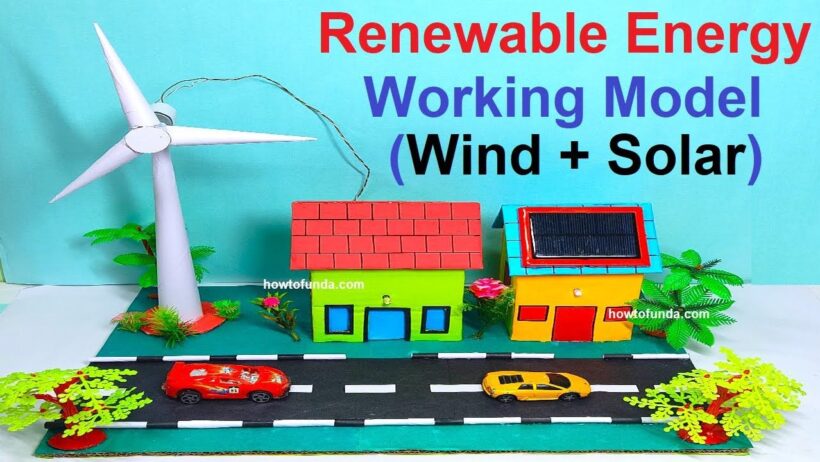

In an era where climate change poses an existential threat, fostering awareness about energy conservation becomes imperative. Students, educators, and environmental enthusiasts can play a pivotal role in this endeavor through hands-on learning experiences, such as creating a science working model focused on energy conservation. This guide will navigate you through the process of conceptualization, design, and execution of a model that effectively demonstrates energy conservation principles, while simultaneously igniting curiosity about renewable energy sources and sustainable practices.
Understanding Energy Conservation
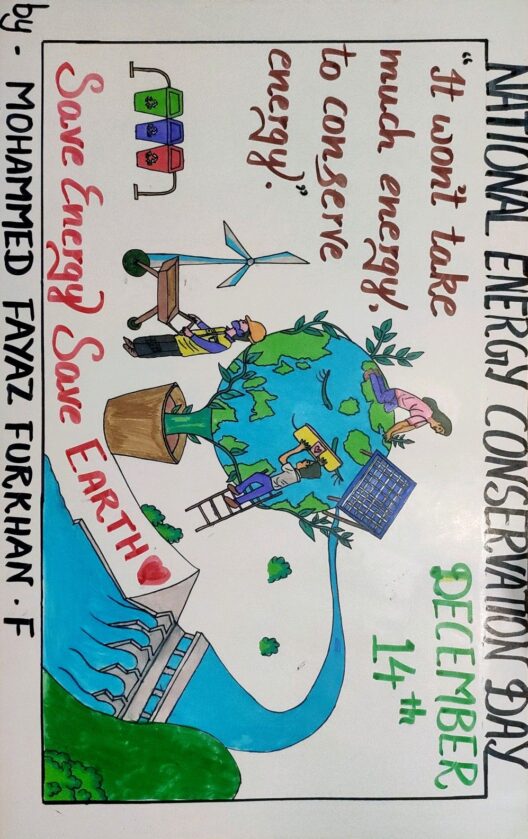
Before embarking on the creation of your model, it is essential to grasp the concept of energy conservation. At its core, energy conservation is the practice of reducing energy use through efficiency improvements and behavioral changes. This principle not only encompasses the utilization of less energy but also emphasizes the importance of harnessing renewable energy sources. Understanding this foundation will facilitate a coherent representation in your model.
Choosing the Right Concept
Various concepts can illustrate energy conservation; the challenge lies in selecting one that resonates with you. Some compelling ideas include:
- Wind Energy: A model showcasing how wind turbines convert kinetic energy into electrical energy.
- Solar Energy: Demonstrating the function of solar panels in capturing sunlight and converting it to usable energy.
- Hydropower: Illustrating the potential of water flow to generate energy through mini variants of dams or turbines.
- Energy Efficiency in Homes: A model demonstrating how insulation and energy-efficient appliances contribute to reduced energy consumption.
Selecting a topic that piques not only your interest but potentially the curiosity of others will enhance the engagement factor of your model. Once you’ve chosen your concept, move to the next stage: planning.
Planning Your Model
Careful planning is paramount for a successful creation. Consider the following elements:
- Materials: Identify readily available materials that can be repurposed—cardboard, old batteries, LED lights, small motors, and more.
- Scale and Size: Define the dimensions of your model. It should be manageable yet large enough to effectively demonstrate the concept.
- Functionality: Determine how each component will work together. For example, if you choose a solar panel model, how will sunlight lead to energy generation within your model?
Creating a blueprint, whether on paper or digitally, can help visualize the layout and mechanical functions of the model. This preliminary schematics stage allows for adjustments before actual construction.
Gathering Materials
Once the planning phase is complete, gather the materials necessary for building the model. Sustainability should be your guiding principle. Using recycled or upcycled items contributes to the larger conversation around energy conservation. For instance:
- Plastic bottles can be transformed into components for demonstrating wind energy.
- Old light bulbs can serve as a representation for solar energy conversion.
- Cardboard boxes can illustrate various structural elements essential for your model.
By choosing to repurpose materials, your model will not only represent energy conservation but also embody the concept through its very construction.
Building Your Model
With materials in hand, the construction process commences. This process varies widely depending on the chosen concept, but typically includes the following steps:
- Construct the Base: This foundational component of the model will provide stability and structure.
- Assemble Functional Parts: For a wind turbine model, start connecting the blades to the turbine body. If creating a solar panel model, arrange the solar cells onto a base that can face the sunlight directly.
- Integrate Energy Conversion Mechanisms: This might involve connecting wires, integrating small motors, or adding LED lights to visualize energy flow.
Ensure to engage various methods of construction including gluing, soldering, or using simple mechanical fasteners. This diversity in methods contributes to a richer learning experience and a more robust final product.
Testing Functionality
Upon completing construction, it’s crucial to test the model’s functionality. This stage allows for troubleshooting and an understanding of the mechanics at play. Does the wind turbine spin effectively under simulated wind conditions? Do the solar panels produce energy sufficient to power a small light bulb? Don’t shy away from failure; instead, embrace it as a step towards improvement.
Documenting the Process
As you create your model, documentation should not be overlooked. Take photographs or videos at each stage—from planning and materials gathering to construction and testing. This documentation not only serves as a reference but also allows you to share your process with peers, thus promoting knowledge transfer.
Presenting Your Model
Finally, plan a presentation of your model. Whether in a classroom setting, science fair, or community gathering, conveying the principles of energy conservation through your model can stimulate discourse. Discuss not just how your model works, but the larger implications of conserving energy and shifting towards sustainable practices. Engage your audience with questions: How might their daily habits change in response to understanding energy conservation better? What role do they play in combating climate change?
Concluding, a science working model centered on energy conservation serves as a tangible reminder of the responsibility we bear towards our environment. Through conceptualization to creation, this experience not only enhances understanding of energy principles but cultivates a generation of environmentally conscious individuals eager to innovate for a sustainable future.