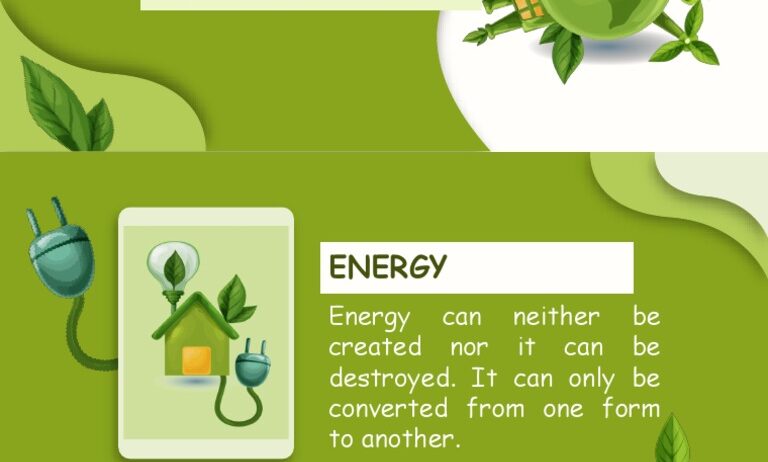

The ongoing conversation surrounding energy resources often oscillates between the urgency of demand and the imperative of sustainability. Conservation is emerging as a pivotal strategy to navigate this intricate landscape, promising not only to ameliorate current resource challenges but also to hint at a transformative paradigm shift in how we conceive energy usage and its implications for society. This discourse investigates the ramifications of conservation on usable energy resources, urging a reimagining of future energy paradigms.
Conservation, at its essence, refers to the judicious management of natural resources to prevent exploitation and allow for regeneration. By harnessing this principle, societies can significantly reduce their energy footprint. The implications of such reductions are manifold and profound. When we implement conservation measures, we are not merely cutting back on consumption; we actively prolong the viability of finite resources, thereby extending their usability for future generations. This crucial aspect of conservation endeavors fundamentally alters the perception of energy availability, transitioning from a scarcity mindset to one rooted in sustainability.
A pivotal aspect of conservation is its role in the dynamic interplay of energy supply and demand. With the increasing global population and industrial expansion, the demand for energy is relentlessly escalating. However, conservation practices create an equilibrium wherein energy consumption is managed effectively, allowing for the existing supply of energy resources to stretch considerably further. Enhanced efficiency in energy use—whether through technological advancements or lifestyle changes—demonstrates how conservation leads to a significant reduction in the extraction of raw materials, therefore minimizing the ecological footprint associated with energy production.
Take, for instance, the practice of retrofitting buildings to improve energy efficiency. By investing in energy-efficient insulation, windows, and HVAC systems, residential and commercial buildings utilize less energy for heating and cooling. Studies indicate that retrofitting can reduce energy consumption by over 30%. The immediate environmental benefits include lower greenhouse gas emissions and reduced air pollution. In a broader context, these actions foster a resilient energy economy, placing less pressure on fossil fuel reserves and allowing renewable resources to flourish unimpeded.
Conservation is not confined to the optimization of existing resources; it cultivates a synergistic relationship with renewable energy sources. As fossil fuel reserves dwindle, the need for a transition to sustainable energy sources becomes undeniable. Conservation efforts enhance the attractiveness of renewables by amplifying their efficacy. The less energy consumptive our infrastructure and daily habits are, the more we can rely on solar, wind, and hydropower to meet our energy needs. Society can shift toward a more sustainable energy portfolio, directly impacting how we perceive our reliance on finite resources.
Moreover, conservation fosters innovation in energy technologies. As resources become more constrained, the impetus to develop alternative energy solutions accelerates. For example, advancements in solar panel technology have led to increased energy conversion efficiencies, making solar energy a feasible option in broader geographic locations. Additionally, the development of energy storage technologies, such as advanced batteries, addresses issues of intermittency associated with renewable energy generation. The interplay of conservation and innovation engenders a cycle of improvement, wherein energy usage and resource availability are continually rebalanced, forming a circular economy.
Beyond the technicalities of energy management, the social fabric of community plays an essential role in promoting conservation practices. Public awareness and educational campaigns have a transformative effect on individual behaviors related to energy consumption. When communities emphasize the importance of conservation, they inspire collective action, leading to widespread changes in energy usage patterns. Such grassroots movements result in tangible impacts on local energy resources, reinforcing the idea that every action counts in the larger context of sustainability.
The economic ramifications of conservation cannot be overlooked either. Implementing energy-efficient practices often translates into immediate cost savings for consumers and organizations alike. As individuals become more cognizant of their energy bills, the drive to adopt conservation measures grows, thus enhancing the overall efficiency of energy distribution systems. Furthermore, government incentives for energy-saving technologies can stimulate job creation in sectors focused on renewable energy development and energy efficiency, thereby transforming the market dynamics around energy resources.
However, this journey toward a conservation-minded society is fraught with challenges. Resistance to change persists, often rooted in habitual practices and a lack of institutional support. Overcoming these barriers requires a concerted effort from both policymakers and citizens alike. As we push forward, it becomes essential to create frameworks that facilitate conversations around energy conservation, infrastructure investments, and sustainable practices.
Ultimately, the impact of conservation on usable energy resources reaches far beyond mere consumption reductions. It embodies a holistic rethinking of how societies interact with energy. By embracing conservation, we do not just safeguard our present; we cultivate an environment where future generations can thrive. This shift in perspective is not merely an intellectual exercise; it is a call to action that challenges us to cultivate curiosity about how we use energy, reimagine our relationship with natural resources, and embrace a future defined by sustainability.
Thus, the question must be posed: how will conservation shape our energy landscape and the resources upon which we so heavily depend? The answer lies in our collective capacity to act, innovate, and redefine our energy narrative. As stewards of the earth, our choices today will echo into the future, determining the availability and usability of energy resources for generations to come. In this regard, the practice of conservation emerges not only as a strategy but as a foundational philosophy for a sustainable energy future.