

Conservation is often perceived as a mere precautionary measure, something to be eschewed in the race for economic growth and energy consumption. However, the consciousness of conservation becomes significantly more pronounced when contemplating the realms of nuclear, solar, and tidal energy. Each of these sources embodies unique advantages and challenges that necessitate a careful approach to usage and sustainability.
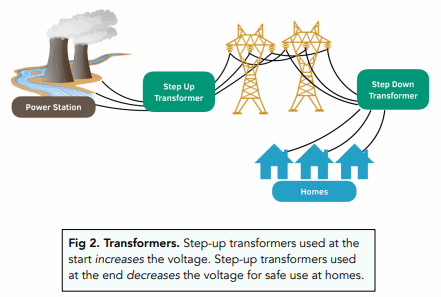
To delve into this concept, one must consider energy as the lifeblood of human civilization. It powers our industries, fuels our homes, and sustains modern conveniences. Yet, like any precious resource, it demands respectful stewardship. Nuclear energy, for instance, can be likened to a double-edged sword. On one side, it presents an almost inexhaustible supply of electricity with minimal greenhouse gas emissions. On the other side, it poses profound risks from radioactive waste and potential meltdowns. Thus, conservation within nuclear energy is not merely beneficial; it is paramount. It establishes a framework to manage its inherent dangers while maximizing its efficiency and output.
Consider the framework of nuclear energy; it operates within a delicate equilibrium. The process of fission generates immense power, yet it produces hazardous waste that can linger for millennia. Effective conservation strategies can mitigate these risks. For instance, adopting advanced reactors designed with safety and efficiency at their core encapsulates the very essence of conservation. On a broader level, investing in research that reduces waste and develops sustainable disposal methods ensures that nuclear energy remains a viable option without compromising safety or environmental sanctity.
Transitioning from nuclear energy, let us illuminate the realm of solar energy — often heralded as the epitome of renewable resources. Solar panels transform sunlight into electricity, evoking visions of vast fields adorned with glimmering photovoltaic cells. Here, conservation takes on a different yet equally vital role. In contrast to the persisting misgivings about nuclear energy, solar energy’s potential appears boundless. However, the conservation of materials used in solar infrastructure cannot be overlooked. The production of solar panels requires significant mineral resources, often mined under unethical or environmentally detrimental practices.
Efforts to conserve rare earth elements and promote recycling post-life expectancy of solar panels are imperative to maintain the sustainability of solar energy. Innovation in the design and materials used can also augment the efficiency of energy capture and minimize waste. Integrating conservation practices with advancements in technology can create a harmonious relationship between consumption and environmental responsibility.
Now, let us navigate toward the tides — a dynamic and kinetic silhouette against the static landscape of energy production. Tidal energy harnesses the gravitational forces exerted by the moon and sun, creating a rhythmic flux that is as ancient as the Earth itself. The allure of tidal energy lies in its predictability; unlike wind and solar power, tidal forces are inherent and unwavering, providing a consistent energy source. Yet, underneath this serene surface lies the pressing requirement for conservation.
Conservation within tidal energy encompasses the safeguarding of marine biomes that can be disrupted by the construction of tidal turbines and barrage systems. The introduction of these energy-producing structures must be meticulously planned to ensure the preservation of existing marine life. It is an intriguing paradox; while tidal energy can be a solution to our overreliance on fossil fuels, improper implementation can yield havoc in delicate aquatic ecosystems. Therefore, interdisciplinary approaches that combine hydrodynamics, ecology, and engineering are integral to ensure both energy production and ecological harmony.
The comparison of these three energy sources highlights their intrinsic value and the role of conservation in their development and utilization. Each source serves as a quintessential representative of nature’s own abundance; yet, they also serve as a reminder of the responsibility that accompanies the extraction of these resources. Conservation of nuclear energy seeks to manage risks and ensure longevity. In solar energy, it focuses on sustainable production and lifecycle management. Tidal energy’s conservation emphasizes ecological preservation against anthropogenic interferences.
Ultimately, the question of whether conservation is necessary for nuclear, solar, and tidal energy sources is not merely one of preference; it is effectively a matter of survival. The alluring prospect of abundant energy necessitates a counterbalance of responsibility and respect. It calls for a sustained dialogue on the intersection of human energy demands and ecological integrity. As vibrant as a flourishing forest is, it is equally critical that humanity understands its role as stewards rather than conquerors of nature’s assets.
In the pursuit of energy diversification, it becomes glaringly apparent that conservation serves as the backbone to a sustainable future. It can be envisioned as the threads interwoven into a tapestry that depicts harmonious coexistence between humanity and the planet. Through judicious practices, innovative approaches, and a concerted effort to integrate conservation principles into energy policy, it is indeed possible to enjoy the fruits of nuclear, solar, and tidal energy without compromising the ecological integrity of our world.
In conclusion, we stand at a crossroads where the choices made today will echo into the future. The sustainability of our energy sources relies on a conscientious commitment to conservation, ensuring that we tread lightly on the path toward progress, with the foresight to protect the Earth that sustains us.