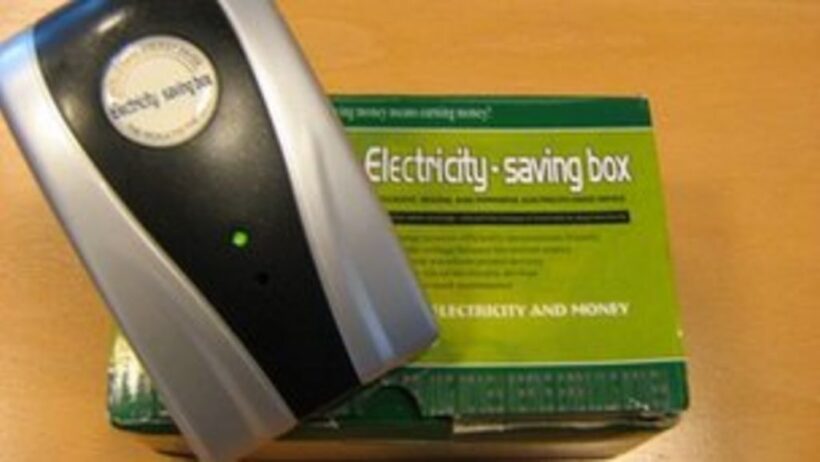

The topic of energy conservation is increasingly pertinent in today’s world, as individuals and businesses seek to mitigate their environmental impact while simultaneously reducing their utility costs. Recently, products like the Conserva Energy Saving Box have emerged, claiming to provide significant savings on energy bills. However, skepticism surrounds such products, raising the question: Is the Conserva Energy Saving Box a scam or a legitimate energy-saving solution?
Understanding the Conserva Energy Saving Box requires a detailed examination of its purported functionality. Marketed as a device that optimizes the electrical usage within a household by stabilizing voltage levels and reducing energy consumption, it appeals to environmentally-conscious consumers. But beneath the surface of these claims lies a critical analysis of how effective such devices can actually be.
To dissect the efficacy of the Conserva Energy Saving Box, one must first consider how energy-saving devices like this one are designed to function. Typically, these boxes are plugged into a wall outlet. They claim to reduce energy usage by adjusting and managing the electrical flow to appliances, thereby enhancing overall energy efficiency. Some manufacturers assert that reducing “voltage spikes” can save a significant percentage of energy. The concept, while sounding intriguing, requires a foundation of credible scientific evidence to substantiate it.
Critics of the Conserva Energy Saving Box often argue that the fundamental principles on which these devices operate lack empirical support. Standard energy consumption models primarily focus on how appliances and household systems function independently from irregular voltage. Instead, energy use is more closely tied to the actual consumption patterns of the devices rather than fluctuations in voltage that these boxes aim to correct. A common retort is that such devices may produce marginal savings, if any, far from the lofty claims advertised.
Another aspect worthy of consideration is the array of testimonials that accompany such products. Many companies rely on anecdotal evidence to promote their offerings. Users, especially those who are not versed in energy management or electrical engineering, may believe they have realized savings after using the product. However, this perception can be exceptionally subjective. Often, consumers misattribute variables like seasonal temperature changes or new energy-efficient appliances to savings they perceive from using the device. Scrutinizing these personal accounts reveals the ambiguity of success often accompanying such energy-saving claims.
Furthermore, when combating energy waste, behavioral adjustments often have a far more substantial impact than relying solely on hardware solutions. Efforts to encourage energy conservation through education can yield greater results. Simple lifestyle changes, such as using energy-efficient appliances or being mindful of unnecessary power usage, could lead to larger reductions in energy consumption than a device like the Conserva Energy Saving Box. Associating energy costs with personal habits emphasizes the significance of awareness in energy conservation.
From a financial perspective, purchasing energy-saving devices such as the Conserva Energy Saving Box can represent a questionable investment. Consumers are encouraged to weigh the costs against potential savings. The initial expenditure may be low, but skepticism about its efficacy remains high. Often, individuals can achieve similar or greater financial benefits through existing energy-saving programs offered by utility companies, government incentives, or home energy audits. These alternatives usually provide clearer pathways to achieving genuine reductions in energy bills.
Moreover, those interested in energy conservation should consider the device’s broader environmental impact. If the Conserva Energy Saving Box does not deliver on its promises and only provides minor energy savings at best, it could contribute to consumer fatigue regarding energy conservation practices. Such fatigue might drive the narrative that energy-saving measures are ineffective, ultimately hampering the collective efforts towards energy efficiency—an outcome contrary to the original intent behind promoting such products.
Fusion of technology and environmental conservation remains a pertinent topic; however, consumer discernment plays a critical role in ensuring that efforts lead to realistic outcomes. The emergence of products like the Conserva Energy Saving Box reflects a growing market for energy-saving solutions. In contrast, understanding their scientific basis and assessing their validity is crucial for ensuring that consumers are making informed choices.
In conclusion, the debate surrounding the Conserva Energy Saving Box centers on its purported effectiveness versus actual energy savings. While the premise of optimizing energy consumption is commendable, potential buyers must be vigilant and critically consider whether these products deliver on their promises. Transparency from manufacturers, supported by independent research, would aid consumers in navigating the convoluted landscape of energy-saving devices. As individuals strive to minimize their environmental impact, the responsibility ultimately resides in making choices based on sound knowledge and evidence-based practices rather than succumbing to marketing allure. The path to energy conservation is not solely reliant on devices; it is equally about mindful living and conscious choices that collectively contribute to a more sustainable future.