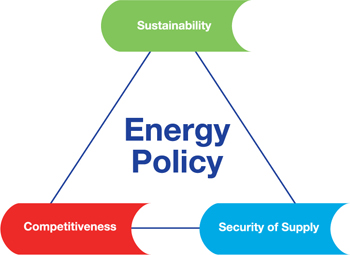

The intersection of energy conservation and politics is a complex terrain shaped by various factors, including economic incentives, environmental imperatives, and social values. Energy conservation, at its core, revolves around the judicious use of resources, minimizing waste, and ensuring that energy supply meets demand without excessive depletion of natural resources. However, it has evolved into a multifaceted issue steeped in political discourse. This discourse engages a diverse audience, each possessing an array of expectations regarding the implications of energy policy on their lives and the planet.
First and foremost, energy conservation is increasingly recognized as an imperative for sustaining economic growth. Policymakers often grapple with the need to balance energy availability with the ecological demands of a rapidly changing climate. Energy efficiency initiatives not only promise to mitigate greenhouse gas emissions but also present a pathway to insulate economies from the volatility associated with fossil fuel markets. The potential for job creation within renewable energy sectors further complicates the narrative. Advocating for conservation becomes a political act that appeals to a wide spectrum of constituents, from environmentalists to fiscal conservatives interested in cost savings and job creation.
In discussions of conservation, it is critical to grasp the role of public policy in regulating energy consumption patterns. Legislative frameworks, often crafted through rigorous political negotiation, dictate the standards by which businesses operate. For instance, mandates for fuel efficiency in automobiles or incentives for public transport adoption are direct results of political decisions that compel conservation measures. Ultimately, these policies aim to shape consumer behavior, guiding individuals and businesses toward more sustainable practices.
Another dimension to consider is the environmental advocacy perspective, which posits that energy conservation is inherently a moral and ethical obligation. Proponents argue that the stewardship of the Earth necessitates an interpersonal approach to consumption, emphasizing the collective responsibility toward current and future generations. Activist groups work tirelessly, lobbying for legislation that prioritizes renewable resource development and incentivizes lower carbon footprints. These grassroots movements often confront the entrenched interests of fossil fuel corporations, leading to significant ideological clashes that permeate the political landscape.
Moreover, the phenomenon of climate change invokes varying reactions depending on one’s political leanings. For some, especially in more progressive circles, energy conservation is viewed as an immediate necessity. They demand rigorous reforms and swift transitions to renewable resources, viewing the status quo as untenable. Meanwhile, conservative perspectives frequently highlight economic considerations, emphasizing the importance of not jeopardizing jobs tied to traditional energy sectors. These contrasting viewpoints cultivate a polarized atmosphere around energy policy, often resulting in legislative gridlock.
Public perception plays a crucial role in this dichotomy. The manner in which energy conservation is communicated can significantly influence policy outcomes. News media, social platforms, and educational campaigns shape public understanding, either reinforcing or challenging prevailing narratives. When the conversation shifts from a mere statistical analysis of energy consumption to heartwarming stories of individual change, the impact is profoundly different. This humanization of energy conservation engenders a collective sense of urgency, prompting the public to demand responsible energy policies from their representatives.
At an international level, the politics of energy conservation take on even more complexity. Countries engage in negotiations on climate accords, setting emission targets and sharing best practices. These global conversations necessitate a comprehensive understanding of diverse energy landscapes and cultural attitudes towards conservation. Some nations regard energy efficiency as a pathway to greater national security, while others interpret it through the prism of economic opportunity. This international dimension underscores the interconnectedness of energy policy, revealing how local actions echo in the global arena.
Consider fluency in the language of energy—adjectives such as “sustainable,” “renewable,” and “efficient” exemplify the lexicon that permeates policy discussions. Such terminology does more than articulate concepts; it frames ideological battles over energy conservation. As policies shift and evolve, so too does the discourse around what it means to conserve energy. The lexicon utilized by policymakers can bolster or undermine public support, consequently influencing the political viability of conservation initiatives.
Technological advancements represent another significant dimension to the conversation. Innovations in energy storage, smart grids, and efficiency measures demonstrate how science can inform policy development. Policymakers armed with the latest research findings are better equipped to craft regulations that genuinely promote energy conservation. However, the commercial interests tied to these technologies can sometimes skew the intended outcomes. Ensuring that technological progress aligns with sustainable practices becomes a political obligation—one that requires vigilance from all stakeholders involved.
Looking ahead, collaborative efforts among scientists, policymakers, and engaged citizens are essential to transcend the ideological boundaries that often constrain energy conservation dialogues. As society grapples with pressing environmental challenges, the need for cross-political dialogue emerges. Building coalitions that recognize the shared goal of energy sustainability can lead to pragmatic solutions that benefit all parties involved. An engaged citizenry, empowered with knowledge and agency, can catalyze the transformation necessary for a sustainable future.
In conclusion, energy conservation clearly transcends the political sphere, implicating economic, ethical, and environmental considerations. While divergences persist, a synergistic approach to policy formation can offer opportunities for collaboration, fostering a more sustainable future grounded in recognized necessity. Ultimately, the evolution of energy conservation as a political issue reflects the broader complexities inherent in our relationship with the environment. Balancing these interests will require patience, tenacity, and a commitment to fostering a culture that prioritizes conservation as an essential pillar of contemporary governance.