


In the realm of classical mechanics, the concept of mechanical energy conservation is crucial. When analyzing a trebuchet launch, one can observe fascinating applications of energy transfer and transformation. The fundamental question arises: Is mechanical energy conserved in a trebuchet launch? To address this query, we must delve into the mechanics involved and investigate the nature of energy throughout the operation of this historical siege engine.
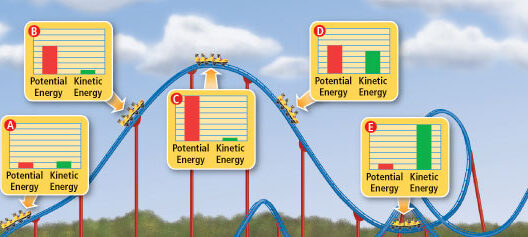
Firstly, it is imperative to define mechanical energy. Mechanical energy, in a system, comprises two primary components: kinetic energy and potential energy. Kinetic energy pertains to the energy of motion, while potential energy is related to the configuration of the system, often represented as gravitational potential energy when considering height within a gravitational field. As a trebuchet operates, it begins from a stored potential energy state, derived from the elevation of its counterweight or projectile. This stored energy is pivotal to initiating the launch process.
The initial state of the trebuchet features a counterweight elevated to a certain height, which contains significant potential energy. When released, gravity brings this counterweight down, converting gravitational potential energy into kinetic energy as it moves. This conversion epitomizes the laws of conservation, specifically that energy is not created or destroyed; it merely changes form. As the counterweight descends, the kinetic energy begins to accumulate, ultimately transferring to the working arm of the trebuchet, which propels the projectile.
Intriguingly, at the moment of release, one might wonder where the energy goes. The various forces at play, such as friction, air resistance, and the inelastic collisions within the system components, assert influence over the total mechanical energy. A notable observation is that energy lost to these forces translates into heat and sound forms—energy forms that may seem to detract from conservation. Thus, while mechanical energy is transformed and temporarily fluctuates between kinetic and potential forms, some of it invariably dissipates into the environment.
This leads to a pivotal consideration: while the total mechanical energy may not remain conserved in its entirety, the principle of conservation of energy remains inviolable in the broader sense. The total energy within an isolated system remains constant, even if the mechanical energy does not perfectly translate due to real-world interactions. Thus, we engage with the rather nuanced reality that conservation operates on multiple levels.
Furthermore, the harnessing of mechanical energy in a trebuchet launch predominantly exploits the conversion and efficient transfer of energy through its design. A well-designed trebuchet maximizes this transfer, capturing as much energy as possible for the effective propulsion of the projectile. This efficiency hinges not only on the structural integrity of the trebuchet but also on the parameters of design, including the ratio of the counterweight to the projectile mass and the length of the arm.
Consider the optimal design; a longer arm increases the distance over which energy can be applied to the projectile. This longer arm grants the projectile increased velocity upon release, resulting in a higher projectile range. Therefore, while efficiency is often a subjective measure, in the context of energy conservation in a physical system, it plays a significant role in the degree to which mechanical energy is conserved in effective work.
The trajectory of the launched projectile further invites curiosity. As the projectile is released, it follows a parabolic path influenced by gravitational forces and initial velocity variables. Understanding this trajectory enhances the insight into the energy transition during the motion. The energy dynamics at play provide a complex interplay of forces, revealing how external conditions, such as wind resistance, can manipulate the mechanical energy of a launched projectile.
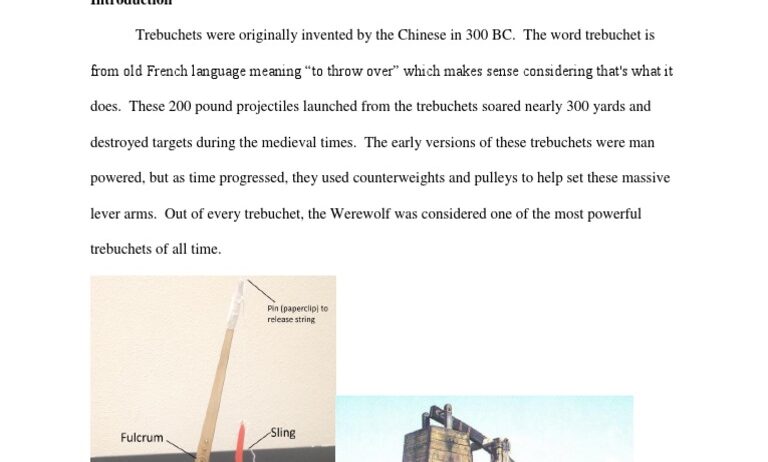
Moreover, experimental examination of a trebuchet serves as an educational bridge into principles of physics for aspiring engineers and enthusiasts alike. Constructing a trebuchet allows enthusiasts to engage with the laws of motion and energy conservation in a tactile manner. Observing firsthand the transformative journey from potential energy to kinetic energy captivates imaginations while embedding foundational physics concepts.
In addition, the examination of mechanical energy conservation in a trebuchet invites broader reflections on energy usage and sustainability. As modern society grapples with energy conservation and environmental impact, the principles derived from simple machines like the trebuchet resonate. An understanding that energy can be categorized, transformed, and sometimes lost instills a sense of responsibility toward energy efficiency in our human-made systems.
Thus, while we dissect the mechanical energy dynamics in a trebuchet launch, the question of conservation hinges on definitions and interpretations of energy forms. It is a microcosm reflecting vast, interconnected principles that span from ancient siege engines to contemporary energy solutions. By contemplating the balance of energy within a trebuchet’s operation, we confront the conundrums of classical mechanics and the larger implications these lessons hold for sustainable practices in our modern world.
In conclusion, the investigation into whether mechanical energy is conserved in a trebuchet launch serves not only as a captivating study of physics but also as a poignant reminder of our relationship with energy. Through understanding the nuances of energy transformations, we can cultivate a more profound respect for conservation and efficiency, inspiring a shift in perspective toward a more sustainable future.