


The question of whether matter and energy are conserved during energy transfers is not merely an academic inquiry; it holds profound implications for our understanding of the world. As we navigate through energy transformations—whether in nature, industry, or our daily lives—grasping the principles of conservation can unveil the intricate dance between matter and energy in our universe.
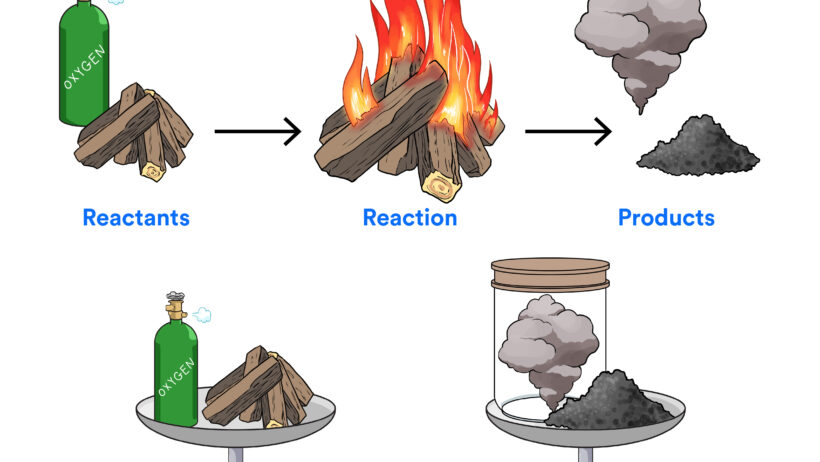
At the very core of this topic lies the foundational principle of the law of conservation of mass and energy, which states that matter cannot be created or destroyed in an isolated system. This principle was articulated by Antoine Lavoisier in the 18th century and later merged with Einstein’s theory of relativity. The equation E=mc² encapsulates this relationship, establishing that energy (E) can be transformed into mass (m), and vice versa. This interconvertibility of matter and energy invites us to reevaluate how we perceive these fundamental elements.
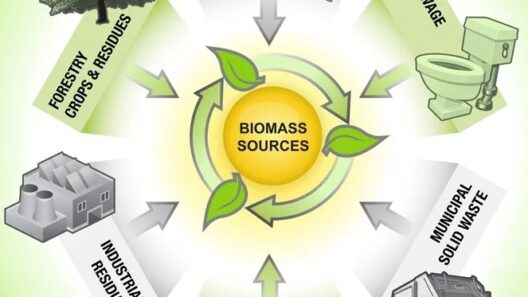
Energy transfers occur in countless forms—from the majestic sunlight that warms the Earth to the combustion of fossil fuels that powers our industries. Each of these transfers illuminates key aspects of conservation, inviting us to probe deeper into the mechanisms involved. For instance, consider the process of photosynthesis. In this remarkable transformation, plants convert solar energy into chemical energy, creating glucose and releasing oxygen. Here, solar energy is stored in the bonds of glucose molecules, a prime example of energy conservation as it shifts forms without any loss of mass or energy.
Moving beyond the natural world, the human application of energy transfers demonstrates both the beauty and complexity of these transformations. In power plants, the burning of coal or natural gas produces heat energy, which is then converted into mechanical energy to drive turbines. However, this process is not 100% efficient. Some energy is inevitably lost as waste heat, a crucial factor in the conversation about energy conservation. This loss necessitates our focus on efficiency. As we seek sustainable practices, understanding these energy losses becomes essential. Are we maximizing energy transfers? Are we minimizing waste? These questions underscore the importance of innovative technologies and sustainable practices in the quest for energy conservation.
Furthermore, consider the concept of thermal transfer within the realm of physics. When energy is transferred as heat, the total energy remains constant. A hot object will transfer its thermal energy to a cooler one until thermal equilibrium is reached. In this scenario, while the distribution of energy may change, the total energy in the system remains unchanged, illustrating the principle of conservation amidst energy transfers.
But is it merely the form of energy that is conserved? Matter plays an equally pivotal role in these transfers. In nuclear reactions, for instance, a minuscule amount of matter can be converted into substantial amounts of energy—highlighting not only the conservation law but also the potent implications of matter-energy interconversion. Such reactions challenge our understanding of stability and transformation, inviting fresh perspectives on energy policy and global strategies.
The implications of conservation extend into our environmental impact as well. The more we understand energy transfers, the more adept we become in mitigating ecological damage. In conservation efforts aimed at reducing carbon footprints, every molecule counts. By optimizing how energy is used—whether that involves insulation in buildings or advances in renewable energy technologies—we can significantly alter the matter-energy dynamic, fostering a sustainable future.
Moreover, these principles resonate in the circular economy, where the aim is to minimize waste through the continuous reuse of resources. The conservation of both matter and energy is not merely an abstract principle but a guiding philosophy that can shape our economic and environmental policies. By emphasizing energy efficiency and responsible resource use, we can forge a sustainable relationship between our technological advancements and ecological sustainability.
Yet, while energy conservation is achingly crucial, the focus on matter conservation often takes a backseat. This oversight prompts a necessary question: how can we cultivate an awareness of matter in our everyday consumption? For instance, food production systems illustrate this notion vividly. The journey of food from farm to table involves countless transfers of energy and matter. By understanding this journey—embracing local production methods, reducing food waste, and appreciating the natural resources that sustain us—we elevate the discourse on conservation. Every choice we make in our consumption patterns can reflect a commitment to both matter and energy conservation.
Furthermore, the ongoing dialogue around climate change underscores the urgency for a shift in perspective regarding how we relate to energy and matter. Acknowledging our role in the energy transfer processes deepens our responsibility toward conservation practices. As consumers, citizens, and stewards of the planet, embracing our interconnectedness with these fundamental concepts encourages a conscientious approach to living sustainably.
In conclusion, the interplay of matter and energy during transfers invites us to reconsider how we engage with the world. Understanding the principles of conservation allows for a holistic perspective that is crucial in addressing pressing global challenges. As we explore the intricate relationships between energy transfers and matter, we become empowered to advocate for conservation, innovation, and sustainability. The journey toward conserving our natural resources hinges on our collective action and understanding, and as we unravel the complexities of energy and matter, we may just discover the foundational truths that can guide us toward a more sustainable future.