
The laws of conservation of energy are foundational principles in physics and are pivotal to understanding the intricate balance of our universe. They describe how energy behaves in isolated systems and offer profound insights applicable in myriad contexts, including personal habits, technological progression, and environmental stewardship. Understanding these laws can fundamentally shift your perspective on not only how you consume energy but also how you can contribute to energy conservation and sustainability.
At its core, the principle of conservation of energy posits that energy cannot be created nor destroyed; rather, it can only be transformed from one form to another. This principle is encapsulated in two primary laws: the first law of thermodynamics and the law of conservation of mechanical energy. The first law asserts that the total energy within a closed system remains constant. While energy can change forms—from kinetic to potential, for instance—its total amount remains unchanged. This concept becomes strikingly relevant when we consider our daily energy usages, such as powering our homes or vehicles.
The first law of thermodynamics is often illustrated through examples in physical systems. Imagine a roller coaster: as the coaster ascends, its kinetic energy transforms into potential energy at its highest point. Upon descent, that potential energy is converted back to kinetic energy. This cyclical transformation is a vivid representation of how energy operates in our world, showcasing the conservation principle dynamically at work.
Beyond tangible examples, consider how this law applies in a broader ecological context. In terms of energy consumption, the energy used to heat your home originates from a source, be it fossil fuels, solar energy, or wind power. This energy, once generated, must be managed wisely to maintain an ecological balance. If you think about the energy required to operate appliances or vehicles, it becomes evident that our choices directly influence the overall energy consumption patterns, affecting both our personal financial health and the health of our planet.
Moving to the law of conservation of mechanical energy, this concept further narrows the discussion to specific forms of energy—kinetic and potential. It states that in the absence of external forces, the total mechanical energy of a system remains constant. For instance, when you draw a bow, the kinetic energy required to pull the string is transformed into potential energy stored in the bent bow. Upon release, that potential energy converts back into kinetic energy, propelling the arrow forward. In considering your own habits, this may lead you to reflect on activities that require energy input and how that energy can be optimized for better efficiency.
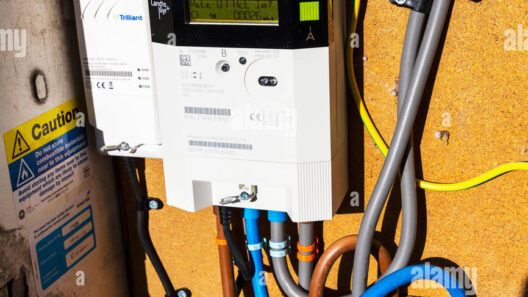
Understanding these laws compels an introspection into personal energy consumption. In residential energy use, the typical household emits significant greenhouse gases through the burning of fossil fuels for electricity and heating. The application of conservation principles can encourage the adoption of renewable energy sources or the implementation of more energy-efficient appliances. The switch from incandescent bulbs to LEDs, for example, illustrates an enhancement in energy transformation, where more of the consumed energy is utilized effectively to produce light, thus conserving energy.
Moreover, on a macro scale, the implications of energy conservation are vast. The global energy crisis highlights the urgency for sustainable practices. As fossil fuel reserves dwindle, the demand for alternative energy sources has surged. Solar, wind, and hydroelectric power are prime examples of renewable energy forms, which abide by the conservation laws, providing energy transformations that are sustainable and environmentally friendly. In this light, the question of how we generate and utilize our energy shapes economies and future technological innovations.
Applying these principles to lifestyle choices can resonate deeply. Consumers increasingly possess the agency to impact energy efficiency in homes and communities. Investing in energy-efficient systems, adopting solar panels, or making lifestyle adjustments—such as carpooling or using public transportation—are not merely personal choices; they are strategic decisions that can contribute to a larger narrative of conservation. Engaging in these practices evokes a sense of responsibility toward the environment and illustrates how personal actions can aggregate into substantial environmental benefits.
Moreover, the conservation of energy relates to personal health and well-being. By recognizing energy levels within our bodies and the mechanisms that influence them, we can cultivate better habits. This might include maintaining a balanced diet rich in nutrients, ensuring proper hydration, and engaging in physical activities that optimize both mental and physical energy. Just as the laws of physics govern energy in mechanical systems, similar dynamics operate within the human system.
Education on the laws of conservation can inspire fundamental shifts in perspectives, igniting curiosity and motivating individuals to engage in broader discussions on sustainability. Furthermore, through collaborative efforts in communities—be it through local initiatives or global movements—the collective impact of energy conservation can yield transformative change. This sustainability mindset recognizes that stewardship over energy resources requires an active engagement and a partnership with nature.
In conclusion, the laws of conservation of energy are not mere scientific principles confined to textbooks; they represent a framework for understanding and navigating the complexities of energy use in modern society. From individual choices to communal responsibilities, their implications are profound. By fostering awareness and inspiring change, we can all participate in the essential work of conserving energy, ensuring that it remains available for future generations while advocating for a healthier planet. Embracing this knowledge promises not only to reshape how we view our energy consumption but ultimately contributes to the greater cause of environmental conservation and sustainability.