
In the quest for sustainability, we often encounter the mantra of “Reduce, Reuse, Recycle.” But when it comes to energy conservation, the sequence of “Recycle, Reuse, Recharge” emerges as a crucial framework. This triad not only lays down a path for efficiency but also sparks a narrative that compels us to contemplate: What would the world look like if we optimized our resources to their fullest potential? Perhaps you might pause and ask yourself: how many of your everyday items could be transformed through recycling to generate energy savings? That’s a playful challenge worth pondering.
First, let us dissect the recycling component. Recycling involves the reprocessing of materials to create new products, significantly reducing the need for raw materials extraction. When materials like paper, glass, metal, and plastics are recycled, the energy expended to extract and process new resources is dramatically diminished. For instance, recycling aluminum cans saves approximately 95% of the energy required to produce aluminum from bauxite ore. This staggering fact not only underscores the importance of recycling in energy conservation but also highlights potential avenues for lowering greenhouse gas emissions that accompany resource extraction.
Moreover, recycling conserves natural resources. Forests are not just habitats but crucial carbon sinks. By recycling paper, we significantly reduce the demand for virgin timber, thus lessening deforestation’s impact on our atmosphere. Similarly, recycling plastics can mitigate the depending burden on petroleum extraction. A question arises here: Are we inadvertently fostering a culture of disposability, whilst overlooking the power of recycling to protect vital ecosystems? The answer may lie in revisiting our consumption habits.
Next, we venture into the realm of reusing materials. Reuse emphasizes utilizing items in their original form, extending their life cycle before resorting to recycling. This practice not only curtails waste but also diminishes energy consumption. Each time you choose to reuse, whether by refilling a glass bottle or repurposing a tin can, you are effectively conserving the energy that would have otherwise been spent in the manufacturing process.
Consider the example of second-hand furniture or thrift store finds. These items offer a stellar opportunity to reduce the demand for new products while simultaneously invigorating local economies. The impact resonates further when we consider that producing a single new piece of furniture often depletes resources and energy in manufacturing and distribution. Thus, each reused item becomes a statement of individuality while fostering the principles of sustainability.
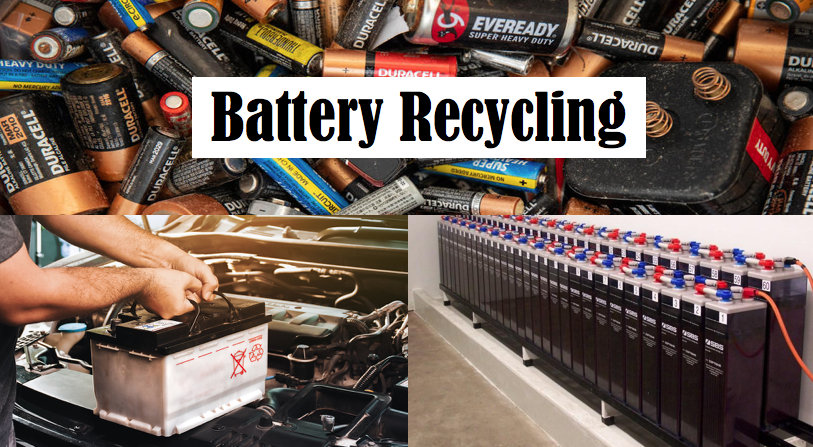
The concept of recharge comes into play when we talk about battery recycling. The rise of technology has escalated our dependence on batteries, from smartphones to electric vehicles. Yet, what happens to these lithium-ion batteries once they are spent? Rather than allowing them to languish in landfills, implementing a battery recycling system can yield exceptional benefits. Not only does recycling these batteries prevent harmful chemicals from leaching into the environment, but it also recaptures vital metals like lithium and cobalt, which can be reintegrated into new battery manufacturing processes. This practice not only reduces energy consumption but also stabilizes prices of these metals in the market, addressing economic and environmental challenges.
Energy conservation goes hand in hand with innovation. The intertwined relationships between recycling, reusing, and recharging galvanize a movement toward sustainable energy sources. The incorporation of recycled materials into production processes leads to considerable energy savings. For example, the construction of homes using recycled steel utilizes 75% less energy compared to traditional processes. This relationship fosters a paradigm shift where cleaner, more efficient energy sources become not just an aspiration but a fundamental step toward climate resilience.
Yet, while recycling and reusing are pivotal in reducing energy consumption, they bring forth another layer of complexity: the challenge of consumer participation. Historically, many communities have faced barriers to recycling and reusing due to a lack of local infrastructure or knowledge. As an activist, it is imperative to address these gaps. How can individuals and communities be motivated to participate actively in this recycling revolution? Educating and engaging them becomes paramount. Awareness campaigns that spotlight the significant savings achieved by embracing these three principles can inspire a paradigm shift.
Additionally, incorporating gamification into sustainability efforts may present a compelling solution. Imagine an app that rewards individuals for recycling efforts. This playful engagement could serve as a catalyst for transforming mundane practices into a community-wide endeavor, stimulating conversations about energy conservation and resource management at multiple levels. Social interaction often drives change; thus, creating platforms where users can boast about their recycling achievements and share innovative reuse ideas could invigorate community spirit and collective responsibility.
Ultimately, recycling, reusing, and recharging form a cohesive energy conservation strategy that transcends individual efforts. When we reimagine how we view waste, it transforms into a resource—an opportunity to conserve energy, reduce emissions, and foster economic prosperity. The real challenge may not be the act of recycling itself, but reshaping our societal norms and incentives to create a culture that prioritizes sustainability across all spheres.
In conclusion, as individuals and collective agents of change, the responsibility lies within our daily choices. Embracing the recycling ethos is not merely an environmental imperative; it is a clarion call for a sustainable future. By acknowledging the benefits of “Recycle, Reuse, Recharge,” we are not just saving energy—we are safeguarding our planet for successive generations. The playful challenge remains: how far can we push these principles in our lives? The answer, often, will shape the very fabric of our environment.