


In recent years, environmental rhetoric among policymakers has intensified, particularly regarding the topic of energy conservation. When politicians urge energy conservation, it is essential to dissect the underlying implications of their message. Understanding what they truly mean can empower citizens to take informed actions while critically evaluating political discourse.
The phrase “energy conservation” encompasses a plethora of ideas, including reducing energy consumption, utilizing eco-friendly practices, and promoting renewable sources. At its core, energy conservation signifies a commitment to reducing waste—making the most of the energy resources we have at our disposal. Politicians often invoke the term during discussions about sustainability, climate change mitigation, and economic stability.
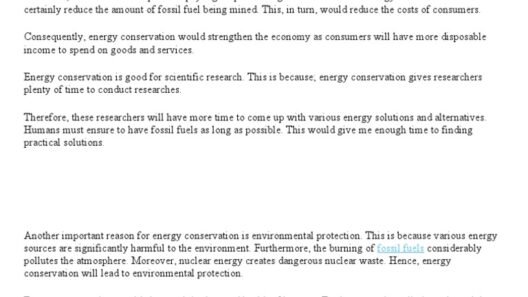
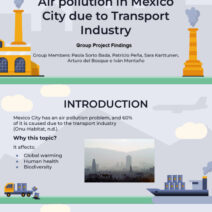
One of the primary motivations behind urging energy conservation is environmental protection. Climate change, driven largely by carbon emissions from fossil fuel consumption, poses an existential threat to our planet’s ecosystems. When politicians advocate for energy conservation, they often emphasize the alarming rates of global warming and its associated challenges, including extreme weather events, rising sea levels, and habitat destruction. The urgency of these issues serves to underscore the necessity for immediate action and collective responsibility.
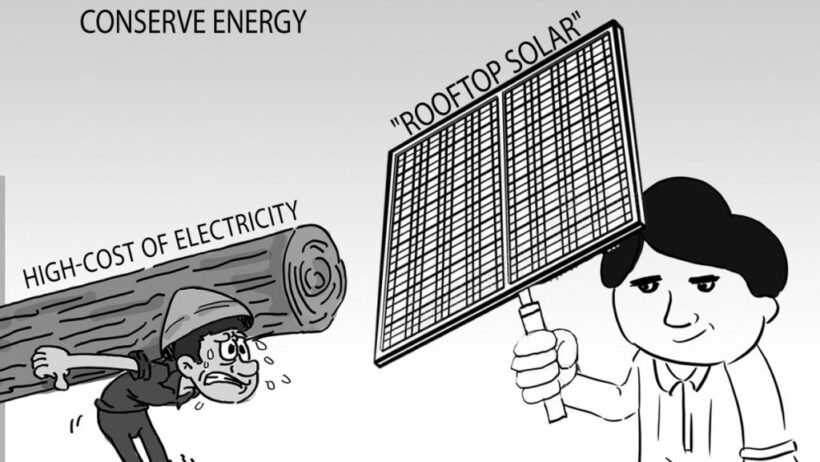
Another aspect of their message pertains to economic considerations. Energy conservation can significantly reduce energy costs for households, businesses, and governments alike. In a world increasingly vulnerable to energy supply fluctuations, promoting energy efficiency can lead to significant savings, thereby strengthening economic resilience. For politicians, advocating for energy conservation is often a financial appeal as well. They may argue that transitioning to energy-efficient appliances or vehicles can result in lower utility bills, contributing to the financial well-being of constituents.
By addressing both environmental and economic imperatives, politicians also tap into a broader societal narrative that resonates with the electorate. This multi-faceted approach can galvanize support across diverse demographics, appealing to those motivated by fiscal prudence and those concerned with environmental justice. The political discourse surrounding energy conservation is not merely performative; it reflects an understanding of consumers’ motivations and values.
However, the call for energy conservation does not come without caveats. It can sometimes obscure the more complex infrastructure and policy changes necessary to achieve a sustainable energy future. For instance, while individual actions—like turning off lights when not in use or opting for energy-efficient appliances—are essential, significant societal transformation requires structural changes such as investments in renewable energy technology, improved public transportation systems, and more stringent regulations on energy consumption.
The emphasis on personal responsibility, while empowering, must not distract from the systemic changes required in energy policy. Politicians could foster a more comprehensive narrative around energy conservation that includes these critical discussions. Without integration of government policies aimed at promoting renewable energy sources and enforcing energy efficiency standards, the call for personal conservation can appear superficial.
In addition to environmental and economic benefits, energy conservation can also spur technological innovation. By investing in research and development of energy-efficient technologies, nations can drive growth in emerging sectors while simultaneously addressing climate change. Politicians who advocate for energy conservation can consequently position themselves as champions of innovation. They may emphasize how developing green technology could yield new jobs and further economic opportunities, illustrating a win-win scenario for constituents.
However, the narrative can be complicated by the political climate. Energy conservation initiatives may be met with resistance from various sectors, including fossil fuel industries that benefit from traditional energy sources. These entities might lobby against rigorous conservation mandates, framing them as threats to economic stability. Thus, politicians must navigate a complex landscape when advocating for energy conservation. They must balance environmental responsibility with the realities of economic dependence on conventional energy sources.
Additionally, it is crucial to understand how energy conservation messages can vary significantly depending on the political landscape. In some regions or under specific administrations, the focus on conservation may take a backseat to the promotion of energy independence, primarily tied to the production of fossil fuels. In such contexts, politicians may selectively highlight energy conservation while downplaying its implications on global climate agreements. Engaging with this duality is vital for constituents aiming to cultivate a transparent understanding of their leaders’ motives.
Education plays an indispensable role in the discourse surrounding energy conservation. Politicians can advocate for energy efficiency, but without widespread public understanding of its importance, efforts may falter. Educational campaigns that elucidate the significance of conservation, the impact of individual choices, and the benefits of renewable energy can help cultivate an informed electorate. Such initiatives can inspire communities to embrace energy conservation as a shared responsibility rather than a burdensome task.
Finally, the call for energy conservation must evolve over time. As new scientific discoveries emerge and societal values shift, the political narrative will also need to adapt. Renewable energy technologies are rapidly advancing; therefore, the strategies for conservation must reflect contemporary knowledge and available resources. Policymakers ought to prioritize adaptive change, acknowledging that effective energy conservation requires ongoing dialogue, evidence-based strategies, and the participation of all stakeholders.
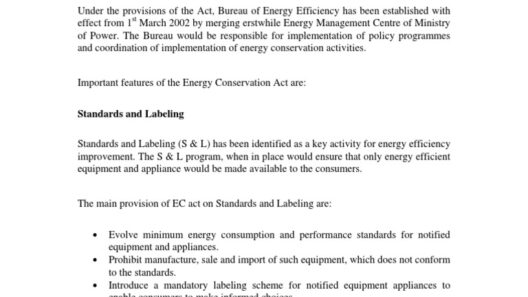
In summary, when politicians urge energy conservation, they are not merely making a superficial statement but signaling a multi-dimensional message intertwined with environmental stewardship, economic stability, and societal transformation. Understanding these concepts can allow citizens to engage more critically with political rhetoric, championing energy conservation while also demanding comprehensive policies to support a sustainable future. The outcome of these discussions will shape not only policy but the very fabric of our global community’s resilience in the face of climate change.