Energy conservation is more than just a phrase; it’s a powerful concept rooted in essential scientific principles that drive our understanding of energy’s role in both nature and human activity. By examining the individual components of energy conservation, we glean insights that illuminate the intricate dance between energy usage and environmental stewardship.
At its core, energy conservation embodies the principle of reducing unnecessary energy consumption. It reflects a conscious commitment to optimizing energy efficiency, thereby minimizing our ecological footprint. This endeavor involves multiple dimensions, which can be visualized through a compass pointing us toward sustainability.
1. Energy Efficiency
Efficiency is often likened to the art of sailing. Just as a skilled sailor navigates the wind to maximize speed with minimal effort, energy efficiency represents the capacity to achieve desired outcomes—whether it’s heating a home or powering a device—while utilizing the least amount of energy possible. It translates into practices such as using LED bulbs, which illuminate a room with a fraction of the energy consumed by traditional incandescent bulbs. This innovation is akin to carving a streamlined hull that allows a ship to glide effortlessly through water, surmounting resistance and embodying the principle of less is more.
2. Renewable Energy Sources
Consider renewable energy sources as nature’s own battery pack. Solar panels, wind turbines, and hydroelectric systems rely on the inexhaustible forces of sunlight, wind, and flowing water. These sources epitomize the metaphor of a phoenix rising from the ashes; they regenerate continually, unlike fossil fuels that are finite and diminish over time. Embracing renewables is akin to tapping into an endless reservoir, an alchemical transformation where natural phenomena are harnessed to power our existence sustainably.
3. The Law of Conservation of Energy
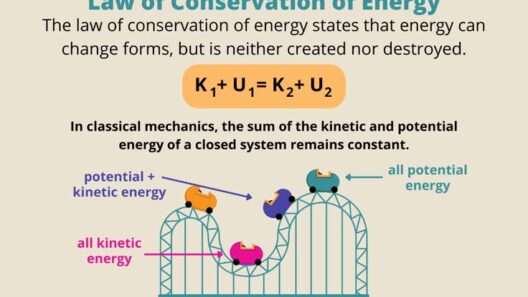
Central to the discourse of energy conservation is the law of conservation of energy, asserting that energy can neither be created nor destroyed, only transformed from one form to another. This fundamental tenet is reminiscent of a maestro conducting a symphony, orchestrating the conversion of kinetic energy from moving water into electrical energy in a hydroelectric plant. Just as the musician perceives and manipulates sound waves, energy engineers harness potential energy stored in nature for human benefit. This insight serves as a reminder that while energy may change forms, its existence is perpetual, demanding responsibility in its usage.
4. Sustainable Practices
Implementing sustainable practices is akin to nurturing a garden. Each action—from recycling plastic to advocating for conservation policies—acts as a seed, cultivating a more resilient and thriving ecosystem. The metaphor of a garden illustrates the interdependence of each plant, as energy conservation efforts can yield long-term benefits for the planet. By embracing practices such as composting and upcycling, individuals contribute to a larger movement aiming to cultivate a greener future, where waste is minimized, and resources are cherished.
5. Impact of Consumer Choices
The choices consumers make can be likened to ripples on the surface of a pond. Each decision—whether to purchase energy-efficient appliances or support environmentally conscious brands—creates a influence spreading far beyond the initial act. As this ripple expands, it challenges industries to adopt more sustainable practices, thus forging a cycle of change. Thus, informed consumers wield immense power in shaping market trends and directing the course of energy conservation, reminding us that collective action can precipitate significant societal shifts.
6. Behavioral Changes
Behavioral changes necessary for energy conservation can be compared to a river’s course, which may initially meander chaotically but gradually carves a clear path over time. Adopting energy-saving habits—like turning off lights when not in use or moderating thermostat settings—may seem trivial at first, yet these small acts accumulate to divert a considerable flow of energy. Just as nature adapts and evolves, so too can human behavior transform to reflect a commitment to energy conservation.
7. Policy and Legislation
The role of policy and legislation in energy conservation is akin to the architecture of a bridge, connecting aspirations to achievable outcomes. Government initiatives, tax incentives, and regulatory frameworks incentivize industries and individuals alike to embrace energy conservation. This partnership between the public and private sectors establishes a foundation that supports sustainable practices, paving the way for advancements in technology and infrastructure that further our collective energy goals.
8. Education and Awareness
Education and awareness are the illuminating candles in the dark that enlighten the path toward sustainable living. Understanding the importance of energy conservation fosters informed citizens who recognize their role in the ecosystem. Workshops, community initiatives, and curricula tailored to energy issues empower individuals to embrace their agency in modifying their energy consumption patterns. This enlightenment is transformative, fueling passion and commitment to preserving the natural world.
Conclusion
The intricate tapestry of energy conservation consists of multiple threads—efficiency, renewable resources, behavioral changes, and effective policy—each contributing to a broader narrative of ecological responsibility. Decoding the science behind these terms unveils a compelling story of resilience, urging us to take intentional steps toward a sustainable future. The world is rapidly changing, and in understanding energy conservation’s significance, we become the stewards of our planet, ensuring its vitality for generations to come.