


Energy conservation is a fundamental concept in physics that permeates various scientific disciplines, including mechanics, thermodynamics, and electromagnetism. The principle of energy conservation asserts that the total energy in a closed system remains constant over time, even though it may change forms. This phenomenon is often encapsulated in the phrase “energy cannot be created or destroyed; it can only be transformed.” Understanding what this means when energy is conserved is crucial for appreciating the intricate interplay that governs physical laws and environmental processes.
Types of Energy Conservation
Energy can be categorized into several forms: kinetic energy, potential energy, thermal energy, chemical energy, and more. Each form has distinct characteristics and conservation laws applicable to it.
Kinetic and Potential Energy
Kinetic energy is associated with the motion of objects. It is directly proportional to the mass of the object and the square of its velocity. For instance, when a roller coaster ascends a hill, its kinetic energy decreases as its speed diminishes. At the peak, this energy transforms into potential energy, which is related to the object’s height and the gravitational force acting upon it. When the coaster descends, potential energy converts back into kinetic energy, showcasing the conservation of mechanical energy in action. The sum of kinetic and potential energy remains constant if we neglect friction and air resistance.
Thermodynamic Principles
In thermodynamics, energy conservation takes a more complex form. The First Law of Thermodynamics states that the total energy of a system is constant; energy can be transferred or converted from one form to another but cannot simply disappear. For example, in a closed environment like an insulated container, the heat generated during a chemical reaction will manifest as an increase in temperature within that system, demonstrating how energy shifts yet remains conserved. This law has profound implications in understanding heat engines, refrigerators, and even biological processes.
Chemical Energy Conservation
Chemical energy, stored in the bonds of molecules, is another vital area where conservation plays a critical role. When a chemical reaction occurs, as in the combustion of fuel, chemical energy is converted into thermal energy, light, and sometimes mechanical energy. The law of conservation of mass applies, indicating that the total mass of reactants equals that of the products, reinforcing energy conservation at the molecular level. This principle is pivotal for efficient energy production in engines and power plants, emphasizing the importance of sustainable practices.
Implications in Real-World Applications
The principles of energy conservation extend beyond theoretical applications. They fundamentally influence modern technology and environmental policy. For example, energy-efficient appliances, such as refrigerators and light bulbs, utilize the conservation principle by converting electrical energy into usable forms while minimizing waste. This efficiency not only conserves energy but also lowers utility costs, illustrating a practical application of conservation laws.
Environmental Considerations
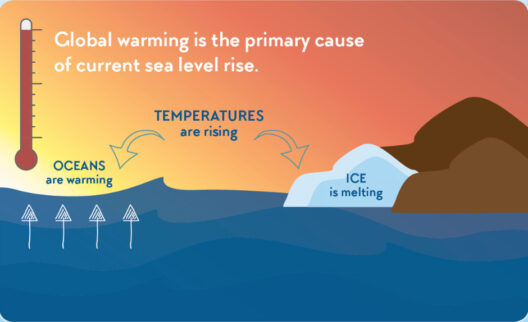
Energy conservation has become increasingly pertinent in discussions surrounding climate change and sustainability. With the perpetual consumption of fossil fuels leading to environmental degradation, recognizing how energy can be conserved offers pathways to more sustainable practices. Renewable energy sources, such as solar and wind, harness natural processes to generate electricity without depleting inherent resources. Integrating these technologies into daily life can significantly reduce humanity’s carbon footprint, embodying true conservation of energy.
Challenges and Misconceptions
Despite the straightforward nature of energy conservation laws, misconceptions abound. A common misunderstanding is the belief that energy conservation means energy use is minimized or that one can achieve perpetual motion — an impossible feat due to the inevitability of inefficiencies in energy conversion. For example, while a solar panel captures sunlight efficiently, it cannot convert all solar energy into electricity due to inherent losses during the conversion process. Clarifying such misconceptions is vital for fostering a deeper understanding of energy dynamics.
The Role of Technology
Advancements in technology have enhanced our ability to monitor and manage energy conservation. Smart meters and energy management systems allow consumers and industries to track real-time energy usage and adjust behaviors accordingly. In engineering, simulations and modeling tools provide insights into energy flow within systems, optimizing designs in buildings, vehicles, and industrial processes to align with conservation principles.
Educating Future Generations
To ensure sustainable energy practices, education plays a pivotal role. Schools and universities incorporate energy conservation into their curricula, emphasizing its scientific basis and environmental significance. By instilling a foundational knowledge of conservation principles, future generations can innovate new solutions to global energy challenges. Encouraging project-based learning and community involvement fosters a culture of sustainability, highlighting the importance of energy conservation within society.
Conclusion
To sum up, the conservation of energy is an essential concept in physics with vast implications for technology, environmental sustainability, and societal practices. It manifests across various forms of energy and permeates diverse fields, underscoring the need for a comprehensive understanding of energy dynamics. As the world grapples with escalating energy demands and climate concerns, further embracing and understanding energy conservation principles may illuminate a path toward a more sustainable future.