


Energy is a fundamental concept that governs the universe. From the smallest subatomic particles to the vast expanses of galaxies, energy manifests in a myriad of forms. Yet, amidst this complexity, there exists a constant: the conservation of energy. This principle is not merely a scientific cliché; it represents an immutable law governing physical phenomena. Understanding energy conservation is crucial for a myriad of disciplines, including physics, environmental science, and engineering. In this examination, we shall delve into the various forms of energy, the law of conservation, and the implications for a sustainable future.
To begin with, we must dissect the various forms of energy that exist in our universe. Primarily, energy can be categorized into several key types: kinetic, potential, thermal, chemical, electrical, and nuclear energy. Kinetic energy is the energy of motion; the faster an object moves, the more kinetic energy it possesses. On the other hand, potential energy is stored energy, derived from an object’s position or configuration, such as a rock perched on a cliff or compressing a spring.
Thermal energy, meticulously correlated with temperature, results from the internal motion of particles within a substance. The more rapid the particles vibrate, the higher the thermal energy. Chemical energy is found within the bonds of molecules and can be released through reactions. This type of energy is fundamental in processes ranging from mundane metabolic functions in biological organisms to large-scale fuel combustion utilized in transportation. Additionally, electrical energy is conveyed by electric charges, manifesting in anything from lightning to household currents. Finally, nuclear energy, released during nuclear fission or fusion, represents one of the most potent forms of energy known to humankind, albeit accompanied by intricate risks.
The law of conservation of energy posits that energy cannot be created or destroyed, only transformed from one form to another. This principle underpins countless physical phenomena. For instance, consider a swinging pendulum: at its highest point, kinetic energy is at its minimum while potential energy peaks. As it descends, potential energy morphs into kinetic energy, and the interplay continues as it moves back and forth. This cyclical transformation epitomizes energy conservation, showcasing that the total energy remains constant despite the changes in form.
This conservation principle isn’t confined to isolated systems. It pervades complex ecosystems, sociopolitical frameworks, and technological advancements. For example, in ecological systems, energy flows from primary producers, like plants, through various trophic levels. Solar energy is converted into chemical energy via photosynthesis, which then sustains herbivores, who in turn support carnivores. This interconnected web exemplifies energy conservation on a broader scale; although energy may change form, it is always accounted for in the greater system.
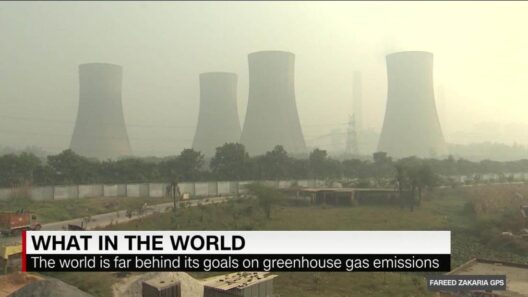
In examining the implications of energy conservation, it becomes increasingly pertinent to address its impact on sustainability. As global populations burgeon and industrial activities escalate, the demand for energy has skyrocketed. Several forms of energy, particularly fossil fuels, release greenhouse gases into the atmosphere, imperiling the planet’s climate equilibrium. Therefore, adopting sustainable energy practices is not merely an environmental whim; it is an existential necessity.
Harnessing renewable energy sources, such as solar, wind, and hydroelectric power, can mitigate our dependence on fossil fuels. Solar energy, for instance, harnesses photons from sunlight, converting it into electrical energy. Wind turbines capture kinetic energy from wind currents, while hydroelectric plants exploit gravitational potential energy from water bodies. These renewable sources illustrate the principle of energy conservation in that they convert natural forces into usable energy without depleting finite resources.
Furthermore, energy conservation techniques can be applied within existing systems to enhance efficiency. In residential and commercial spaces, energy-efficient technologies, such as LED lighting and advanced HVAC systems, optimize energy use. Behavioral changes, such as reducing combustion engine usage and promoting public transportation, also contribute significantly. It is important to not overlook the role of technology in energy management, where smart grids and IoT applications are beginning to revolutionize how we consume energy by forecasting demands and optimizing supply accordingly.
However, transitioning to a sustainable energy paradigm requires comprehensive policy-making and education. Governments must implement stricter regulations on emissions and provide incentives for renewable energy projects. Public enthusiasm toward energy conservation initiatives must be cultivated through awareness campaigns. The technologies we develop must reflect our commitment to better environmental stewardship, ensuring future generations inherit a planet capable of sustaining life as we know it.
In conclusion, the examination of energy conservation reveals a timeless truth — energy is always conserved, whether in a simple pendulum’s swing or in the intricate workings of Earth’s ecosystems. As stewards of the planet, our responsibility extends beyond mere acknowledgment of this principle. It calls for an actionable commitment towards harnessing energy sustainably and promoting conservation practices. In a world increasingly challenged by climate change, understanding and applying the conservation of energy is imperative for creating a robust, resilient future.