

When we think about global warming and its impacts, we often envision the polar ice caps melting or the rising sea levels threatening coastal cities. However, an intriguing reality unfolds when we delve deeper into the aquatic ecosystems most affected by climate change. Among them, one body of water stands out: the Great Lakes of North America. This colossal freshwater system is not only a vital ecological resource but also a surprising indicator of global warming’s multifaceted effects.
The Great Lakes, comprising Lakes Superior, Michigan, Huron, Erie, and Ontario, are the largest group of freshwater lakes on Earth by total area. Together, they hold roughly 20% of the planet’s unfrozen freshwater supply. The grandeur of the Great Lakes is matched only by their complexity as ecosystems that support a diverse range of flora and fauna. Yet, these lakes are facing unprecedented challenges arising from global warming.
One of the most immediate impacts of climate change in the Great Lakes region is the alteration of water temperatures. As air temperatures rise, so do the temperatures of the lakes themselves. This phenomenon not only affects biodiversity but also disrupts entire food webs. Warmer waters can lead to prolonged algal blooms, ravaging aquatic habitats and diminishing water quality. The blooms, often composed of toxic species such as Microcystis, pose a direct threat to wildlife and human health.
Interestingly, the hydrological cycle interacts with warming conditions to create an even more convoluted scenario in the Great Lakes. Increased evaporation rates result from elevated temperatures, leading to lower lake levels over time. Lower water levels can exacerbate existing problems such as pollution concentration, invasive species proliferation, and habitat destruction. Regrettably, the consequences can ripple outward, affecting local economies reliant on fishing, tourism, and recreation.
Moreover, the ice cover on the Great Lakes has been diminishing, shrinking with each passing winter. Ice serves as a protective blanket for many aquatic species and helps regulate ecosystem dynamics. With shorter ice seasons, fish spawning cycles are disrupted, threatening the reproductive success of vital species such as lake trout and walleye. The decline in ice cover also means increased exposure to wind and waves, contributing to shoreline erosion and habitat loss.
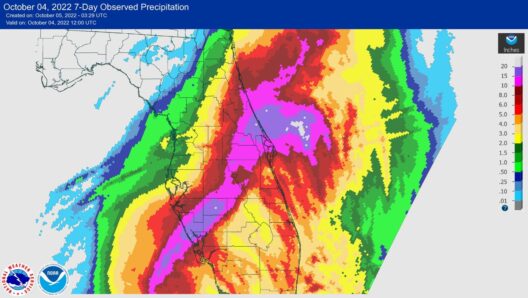
In the context of global warming, rainfall patterns over the Great Lakes are shifting drastically. The region has experienced heavier rainfall events, leading to flooding and runoff that introduces an influx of pollutants into the lakes. This runoff phenomenon is particularly alarming, as it contains fertilizers, pesticides, and sediments, further degrading water quality and jeopardizing aquatic life. Additionally, such variations in precipitation can exacerbate the already complex dynamics within the lakes.
These multifarious challenges underscore the need for a comprehensive understanding of the interconnectedness of climate change and water systems. The impacts observed in the Great Lakes are not isolated incidents; they serve as harbingers of broader ecological shifts occurring worldwide. They evoke a modest sense of urgency as we confront the daunting specter of climate change.
Researchers and policymakers have begun to recognize the crucial importance of monitoring ecosystems like the Great Lakes. In-depth studies and data collection initiatives are being mobilized to track changes and develop adaptive strategies. These actions aim to bolster ecological resilience in the face of mounting challenges. Local communities are also becoming increasingly engaged, advocating for sustainable practices and environmental stewardship. Collective efforts are essential to mitigate negative impacts and preserve the intrinsic value of these magnificent lakes.
Interestingly, the plight of the Great Lakes prompts a contemplation of our relationship with nature. This body of water, which has inspired generations, now bears the brunt of human-induced climate disruption. As stewards of this planet, we must evaluate our choices and their ramifications on these invaluable ecosystems. Awareness is the first step towards collective action: educating oneself and others about the significance of freshwater resources and their vulnerability can catalyze community mobilization.
Furthermore, investing in technological innovations presents another avenue through which to adapt and mitigate the adverse effects of climate change. Techniques such as sustainable agriculture can be utilized to reduce runoff and improve water quality. Policy measures that regulate greenhouse gas emissions and promote renewable energy sources can provide a roadmap to cut down on the overarching drivers of global warming.
In conclusion, the Great Lakes are emblematic of the complex interplay between global warming and natural ecosystems. They reveal the intricate challenges arising from climate change and call for informed, collective action to combat them. As we continue to unravel the consequences of our influence on this planet, we must unite in our commitment to safeguard these magnificent bodies of water. Their health is intrinsically linked to our future, and recognizing their plight could be the catalyst for transformative environmental stewardship.
Ultimately, the Great Lakes serve not merely as a reflection of climatic shifts but as a poignant reminder of our collective responsibility. Their survival hinges on our actions today, paving the way for generations to come. The mitigation of climate change is paramount to preserving this iconic freshwater resource; hence, it is incumbent upon us to advocate for its resilience vigorously.