

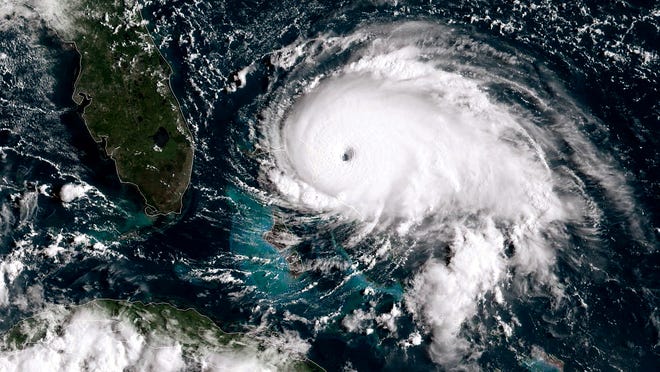

The alarming rise in the frequency and intensity of hurricanes has sparked an urgent conversation about the intricate relationship between global warming and extreme weather events. As communities grapple with the aftereffects of these destructive storms, it becomes pivotal to examine whether human-induced climate change is a central catalyst in this escalating phenomenon.
Over the past few decades, scientific discourse has increasingly underscored a correlation between rising global temperatures and hurricane activity. The Earth’s average temperature has surged by approximately 1.2 degrees Celsius since the late 19th century, primarily due to increased greenhouse gas emissions from human activities. This temperate alteration undeniably affects oceanic conditions, which are critical in hurricane development. As warm air holds more moisture, it creates a fertile ground for storm formation that can lead to catastrophic weather events.
To understand the phenomenon of hurricanes, one must first delve into the nature of these storms. Hurricanes, or tropical cyclones, thrive over warm ocean waters. The energy derived from the surface of the ocean fuels these storms, enabling them to evolve from mere tropical depressions into formidable forces capable of wreaking havoc over vast areas. As ocean temperatures rise, the potential for these storms to grow in intensity escalates significantly.
Recent studies have shown that there is a discernible trend: as the world warms, hurricanes are not just more abundant but are also exhibiting heightened intensity. This increased strength is evidenced by the rising number of Category 4 and 5 hurricanes that have made landfall in recent years. Such storms are characterized by sustained winds exceeding 130 miles per hour, leading to unparalleled destruction. Take, for example, Hurricane Harvey in 2017, which devastated Texas and Louisiana, or Hurricane Dorian in 2019, which wreaked havoc on the Bahamas. Both storms were intensified by warmer ocean waters, a factor intricately linked to climate change.
While it is unequivocal that global warming contributes to more powerful hurricanes, it is also crucial to recognize that not every hurricane can be directly attributed to human-induced climate change. Hurricanes are influenced by a myriad of factors, including atmospheric conditions, ocean currents, and natural climate variability. For instance, phenomena such as El Niño and La Niña can considerably impact hurricane patterns, altering the frequency and paths of storms. Natural variability exists, and it poses additional complexities in attributing specific hurricanes solely to global warming.
The insistence on the direct causality between global warming and every hurricane may lead to an oversimplified narrative. It is rather helpful to view global warming as a magnifying glass, amplifying existing vulnerabilities within our climate system. As warmer conditions become a norm, the likelihood of exceptionally strong storms increases, effectively altering our baseline of what is considered a “normal” hurricane season.
Moreover, the impact of these storms is aggravated by societal and ecological factors. Coastal urbanization, for instance, has surged in the past decades, placing more infrastructure and populations in the direct path of potential hurricanes. When combined with rising sea levels—another consequence of climate change—coastal areas are inevitably more susceptible to flooding and devastation when hurricanes strike. The footprint of human development, therefore, heightens the potential disaster arising from these natural phenomena.
Another aspect to consider is the compounding effects of climate-induced factors such as drought, flooding, and changing weather patterns, which can precondition areas for catastrophic events. A region that has experienced a prolonged drought may become more susceptible to flooding and landslides when confronted with heavy rainfall from a hurricane. Thus, the interaction of these climatic elements amplifies the intensity of storms, showcasing the interconnectedness of environmental systems.
The narrative surrounding hurricanes and global warming extends beyond mere analysis; it ignites a call to action. The realization that human actions have significantly altered the global climate underscores the pressing need for transformative change. Mitigating climate change is not just an environmental necessity; it is a moral imperative. We now have the opportunity—and responsibility—to invest in renewable energy, enhance infrastructure resilience, and engage in sustainable land-use planning. These strategies can collectively contribute to reducing both greenhouse gas emissions and the vulnerability of communities.
Calls for climate resilience are gaining momentum. Communities across the globe are beginning to adopt comprehensive strategies that not only address mitigation efforts but also focus on adaptation. This shift in perspective is paramount, as it embraces the notion that while we may not entirely erase the occurrence of hurricanes, we possess the capability to withstand their fury more effectively. Investing in early warning systems, reinforcing buildings, and restoring coastal wetlands can significantly reduce the risks posed by these powerful storms.
As we navigate an era marked by significant climatic shifts, the inquiry into the relationship between global warming and hurricanes prompts critical thinking and urgent action. Every hurricane that forms in our warming oceans serves as a potent reminder of the delicate balance of our ecosystem. The conversation about climate change must remain at the forefront of public discourse to ensure that collective efforts are realized, and future generations are safeguarded from the escalating fury of nature in the years to come.