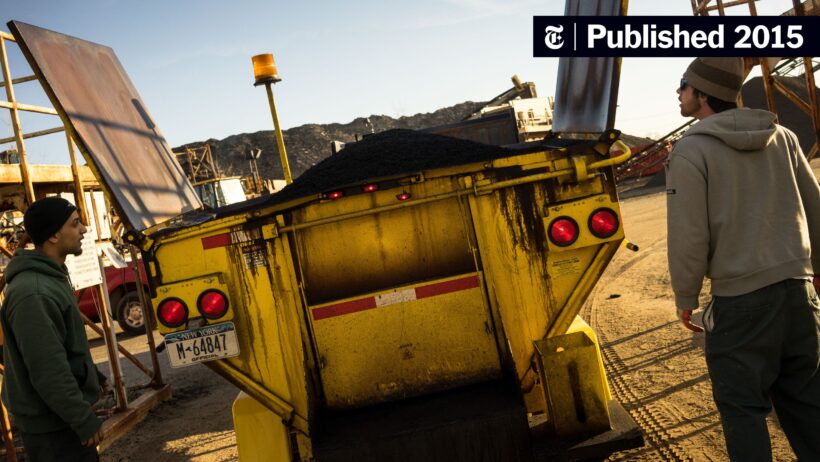

Asphalt, a ubiquitous material employed for paving roads, parking lots, and even roofing, often remains beneath our radar in discussions surrounding climate change. However, as the planet grapples with rising temperatures and increasingly severe weather events, it is imperative to scrutinize every facet contributing to global warming. Could it be that this seemingly innocuous substance is, in fact, exacerbating our climate crisis?
To comprehend the relationship between asphalt and global warming, one must first consider its composition and production processes. Asphalt is primarily derived from petroleum, a fossil fuel known for its extensive carbon footprint. The extraction, refinement, and transportation of petroleum-based products involves significant greenhouse gas emissions. While the direct production of asphalt does not account for the majority of emissions associated with fossil fuels, it certainly plays a part in the broader narrative of carbon emissions contributing to climate change.
Furthermore, the application of asphalt also introduces additional climate complications. Urban environments, where asphalt dominates, experience what is termed the “urban heat island” effect. In these areas, asphalt absorbs and retains heat during the day and releases it slowly at night. This phenomenon not only raises local temperatures but also contributes to increased energy consumption as air conditioning systems work harder to combat the ensuing heat. The darker the asphalt, the more solar energy it captures, exacerbating this effect. It becomes clear that in the grand tapestry of climate change contributors, asphalt’s role is far from benign.
The allure of asphalt lies mainly in its durability and cost-effectiveness. Yet, as climate change progresses, it becomes increasingly important to reassess the costs associated with its use. When considering the environmental and health ramifications, the price tag of asphalt extends far beyond initial savings. The release of harmful particulates during the breakdown of asphalt contributes to air pollution, further aggravating health issues in urban populations. This connection between asphalt and public health raises an urgent question: is our reliance on this material sustainable in the face of climate urgency?
In recent years, innovative minds have sought alternatives to conventional asphalt. The advent of sustainable asphalt, incorporating recycled materials or bio-based components, holds promise. Using reclaimed asphalt pavement can decrease the demand for new materials, leading to lower energy consumption and emissions. Additionally, some researchers are exploring the use of porous asphalt, which allows water to permeate rather than run off, thus helping control stormwater and reducing flooding risks. Such developments are not merely beneficial; they represent a pivotal shift towards a more climate-resilient infrastructure.
Moreover, considering our warming planet, reflective pavement materials have gained traction as sustainable alternatives to traditional asphalt. These materials, often labeled as “cool pavements,” possess light colors that reflect rather than absorb heat. By utilizing cool pavements in urban planning, cities can significantly reduce surface temperatures, mitigating the urban heat island effect and conserving energy. Successful implementations in various metropolitan areas have proven promising, showcasing the potential for asphalt alternatives to combat climate warming actively.
Policy plays a crucial role in the adoption of sustainable practices concerning asphalt production and usage. Government incentives for using eco-friendly materials could steer construction and urban planning toward greener approaches. Regulations emphasizing energy-efficient construction can transform how cities develop infrastructure. As stakeholders in the environment, policymakers must prioritize innovations while considering the comprehensive impact of their decisions on climate change.
Public awareness about the environmental impact of asphalt must also be heightened. Engaging communities in discussions surrounding sustainable infrastructure could drive local initiatives to reduce asphalt usage. Outreach programs can illuminate the downsides of dependent reliance on this material and promote alternative approaches to urban planning. Education is crucial in cultivating a culture that prioritizes environmental stewardship in every aspect, including infrastructure development.
While it may be tempting to view asphalt as just another building material, its multifaceted contributions to climate change deserve greater scrutiny. As the world reels from the effects of a warming climate, every element, no matter how mundane, necessitates examination. By launching innovative solutions and fostering dialogue around sustainability, humanity can pivot towards a future where asphalt no longer stands as an obstacle, but rather as an opportunity—a chance to create more resilient, eco-friendly urban environments that mitigate their impact on the planet.
In conclusion, the nexus between asphalt and global warming reveals a complex interplay of material properties, urban planning dynamics, and policy influences. This examination prompts an essential inquiry into how our choices and behaviors shape our environment. Although asphalt may not single-handedly drive climate change, its indirect effects warrant acknowledgment. If a paradigm shift in our perspective toward asphalt emerges, it could herald a transformative shift in how cities are designed and how communities engage with their environments. Leaving the matter unexamined is a disservice to future generations, as addressing the intricacies of our infrastructure can yield profound benefits for our planet and its inhabitants.