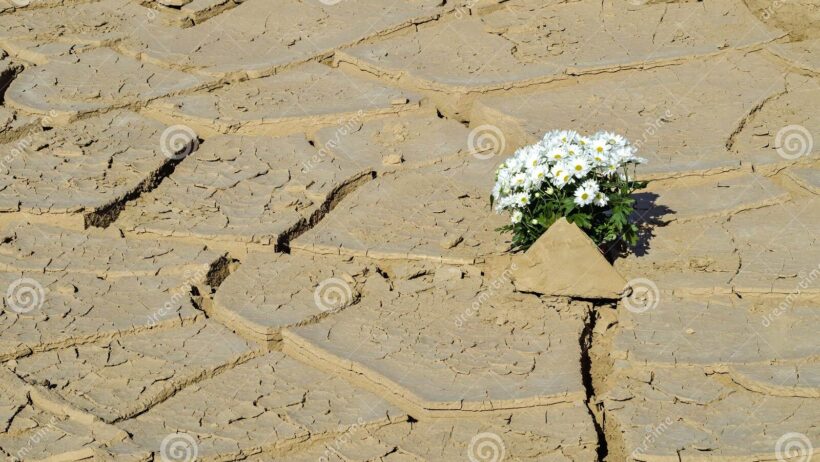

As climate change relentlessly alters our planet’s ecosystems, the concept of blooming deserts might seem paradoxical. However, certain scientific studies suggest that what once appeared to be mere arid wastelands could potentially be transformed into flourishing landscapes under specific climatic conditions. The idea that deserts could bloom due to the effects of global warming forces us to confront numerous intertwined variables, including precipitation patterns, temperature fluctuations, and ecological resilience.
To begin unraveling this phenomenon, it is essential to grasp the foundational elements of desert ecology. Deserts are typically characterized by their sparse vegetation, limited rainfall, and extreme temperatures. Standard classifications classify deserts into four main types: hot and arid deserts, cold deserts, coastal deserts, and semi-arid deserts. The climates of these regions not only dictate the flora and fauna that inhabit them but also influence the potential for any future ecological transformations.
Current models indicate that global warming could induce significant alterations in moisture distribution across the planet. While the prevailing perspective associates rising temperatures with worsening droughts, certain regions may experience an increase in precipitation. This is particularly relevant for deserts situated near coastal areas or in close proximity to shifting weather patterns. In this context, the application of climate models holds paramount importance, as they forecast how rainfall patterns may evolve over the next century.
An important facet of this discourse revolves around the phenomenon known as “desertification,” which describes the degradation of once-fertile land into desert-like conditions. Conversely, with the advent of climate change, we may witness “re-greening” where deserts could undergo sporadic blooms. Such occurrences could be attributed to erratic precipitation fueled by atmospheric changes. The rain may fall in the unlikeliest places, offering hope for survival among drought-resistant plant species that can lie dormant for years.
One poignant example of this phenomenon is the phenomenon known as a “super bloom.” Super blooms are rare occurrences whereby a significant amount of rain falls in a desert, leading to an explosion of plant life. The 2005 and 2019 super blooms in California’s Anza-Borrego Desert State Park serve as testament to how dormant seeds awaken after substantial rainfall. These blooms manifest a mesmerizing tapestry of colors, as flowers like the desert lily and the sand verbena blanket the once-barren landscape. Such events raise critical questions about the ecological implications of altered precipitation patterns and the resilience of desert ecosystems.
Additionally, the geographic context plays a crucial role in determining which regions might experience changes in floral diversity due to global warming. Desert ecosystems are not monolithic; rather, they consist of distinct microclimates and species. Some areas in the world with arid conditions are already witnessing ecological shifts that illustrate the complexities involved. For instance, the Sonoran Desert in North America has been observed to be becoming more hospitable to a diverse array of plant life as temperatures and moisture levels change.
Moreover, the introduction of native plant species adapted to hotter and wetter conditions could aid in stabilizing fragile desert ecosystems. The restoration of endemic flora is crucial for maintaining biodiversity, as these plants play pivotal roles in supporting various species of animals and insects. By fostering plant communities, we create a symbiotic relationship that can bolster resilience within these delicate habitats.
Nonetheless, the idea of blooming deserts is not without its challenges. As we consider the potential transformation of arid environments, we must also grapple with the detrimental effects of extreme weather events. Increased rainfall does not equate to harmony in ecosystems; rather, it could result in flooding, soil erosion, and the potentially destabilizing effects of invasive species. A burgeoning flora may also lead to increased inter-species competition, complicating the dynamics of existing ecological relationships.
The persistence of climate change emphasizes the necessity for sustainable land management practices. Conservation strategies must encompass adaptive measures that facilitate the progression of desert ecosystems while safeguarding their integrity. Initiatives focused on preserving genetic diversity within desert plants and creating protected areas for flora revival can manage the unpredictability of changing climates.
In conclusion, while it may seem implausible that global warming could engender blooming deserts, the interplay between precipitation patterns, temperature increments, and ecological resilience presents a nuanced picture. By recognizing that deserts might bloom with unexpected vigor under altered climatic conditions, we become aware of our responsibility to mitigate the detrimental impacts of climate change. As stewards of our planet, fostering adaptive and sustainable practices remains imperative in our quest to navigate the complexities of ecological transformations. The burgeoning potential of arid landscapes beckons us to rethink our perceptions of these regions, reminding us that even the harshest environments might hold surprises that challenge conventional wisdom.