

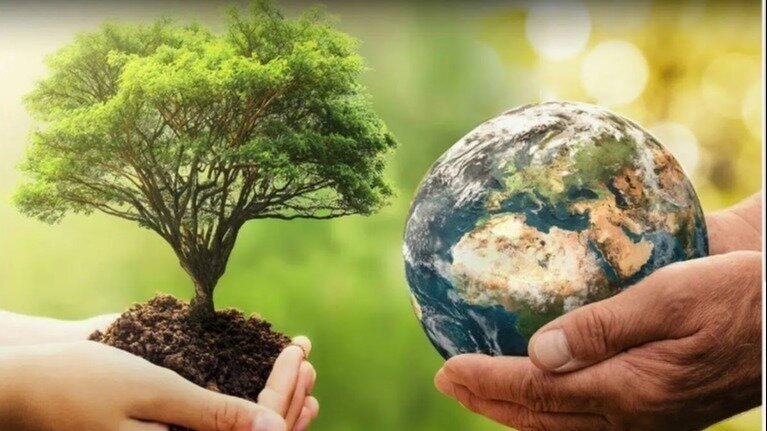

Climate change is an intricate tapestry woven from the threads of industrial progression, consumerism, and excess. It presents a paradox: the very advancements that have propelled our civilization forward risk unraveling the very fabric of our existence. The question looms large—can we save the planet and ourselves from the climatic tempest we have sown?
To contemplate this urgent matter, we must first understand the nature of the beast. Climate change is not a singular event; it is a confluence of phenomena, a maelstrom of rising temperatures, erratic weather patterns, and ecological disruptions. It stands as a testament to humanity’s discord with nature, a cacophony of carbon emissions ceaselessly rising from our industrial chimneys. This is not merely a scientific curiosity; it is an existential crisis that imperils both the biosphere and human society.
At the heart of the climate crisis lies the concept of the greenhouse effect—a natural process that, when unperturbed, maintains the Earth’s temperature within a habitable range. Yet, as we inundate the atmosphere with carbon dioxide and other greenhouse gases, we have turned this benevolent phenomenon into a malevolent force. Our planet is cloaked in a thermal blanket that we have woven ourselves, trapping heat and altering climatic patterns. It is as if we are attempting to survive in a sprawling, steel-and-concrete greenhouse, devoid of the delicate balance essential for life.
The repercussions are far-reaching. Ice caps melt like candles left too long in the sun, while sea levels rise, threatening coastal cities worldwide. Weather patterns have become capricious; droughts, floods, and hurricanes have transformed from predictable events into harbingers of chaos. Ecosystems, which have been painstakingly assembled over millions of years, face ruin as species race against the clock to adapt—or face extinction. This discord creates a ripple effect that endangers food security, water supply, and public health. The ramifications of our actions threaten not only flora and fauna but the very societies we have built.
So, what can be done? As daunting as the challenge may appear, the power to effect change lies within our grasp, much like a sculptor wielding a chisel to carve beauty from stone. The first step is a radical shift in our collective consciousness. Our relationship with the environment must transcend the notion of ownership and tap into a profound sense of stewardship. We must reconsider our role: we are not conquerors of nature, but its custodians.
Awareness is the fulcrum upon which our future pivots. Education about climate change must become a cornerstone of modern discourse. Integrative approaches that encompass science, politics, ethics, and economics can empower individuals and communities to comprehend the complexity of the crisis. Grassroots movements have shown remarkable efficacy in galvanizing public support, inspiring action through local initiatives, and fostering legislative changes. Awareness facilitates action by igniting a passion for conservation that is contagious, creating a collective movement toward sustainability.
Innovation is another critical linchpin in our quest for solutions. The energy sector, responsible for a significant share of greenhouse gas emissions, must transition from fossil fuels to renewable sources. Solar and wind energy, once considered nascent technologies, are now advancing at a staggering pace. Companies and nations alike are investing in these greener alternatives, showcasing that sustainability can fuel economic growth, propel innovation, and create jobs. In this new framework, renewable energy is not merely an alternative; it is the bedrock upon which a sustainable future can be built.
Furthermore, policy reform is essential to gird our efforts. Governments must adopt stringent regulations that curb emissions, promote sustainable practices, and incentivize businesses to adopt green technologies. Carbon pricing mechanisms serve as both a deterrent and an incentive, nudging corporations toward environmentally responsible behaviors. However, policy measures must also embrace social equity, ensuring that vulnerable communities are protected and that the transition to a sustainable economy does not disproportionately burden the most susceptible among us.
One of the most poignant metaphors in our climate narrative is that of a phoenix rising from the ashes. While the damage we have inflicted upon our planet may appear irreversible, it is essential to remember that ecosystems possess remarkable resilience. Nature has an astounding capacity for regeneration when afforded a chance to heal. Reforestation projects, ocean clean-up initiatives, and sustainable agricultural practices are not just hopeful endeavors; they are vital strategies designed to mend the wounds inflicted upon our environment. Like the phoenix, the Earth, given time and concerted effort, can indeed rebound from the brink.
Moreover, the urgency for action cannot be overstated. Every moment that passes brings us closer to the point of no return. The scientific community is unanimous: the time for incremental change has long since passed. Bold, transformative actions must be implemented with immediacy. Collaboration among nations, sectors, and individuals is imperative; the climate crisis knows no borders. A united front is essential to tackle this global dilemma, transcending cultural and political divides for the sake of our shared home.
In conclusion, the possibility of saving the planet and ourselves from climate change is not a distant dream but a burgeoning reality, dependent on our collective willpower. The path is fraught with challenges, yet it is illuminated by the potential for innovation, education, and profound transformation. Each of us holds a piece of the solution; when woven together, our disparate actions can form an indomitable force for change. As we stand on this precipice, we are called not just to envision a sustainable future but to directly engage in its creation. Our choices today will set the tone for generations to come—let us choose wisely.