



In recent years, the discourse surrounding climate change has gained unprecedented urgency, with numerous studies and reports outlining the catastrophic ramifications of global warming. Politicians play a critical role in shaping public opinion and policy, and understanding the stance of Republicans in Congress on this pressing issue can illuminate the broader political landscape. This exploration seeks to dissect the acceptance of global warming among Republicans, highlighting not only the prevailing beliefs but also the potential for a paradigm shift.
Historically, the Republican Party has positioned itself skeptically regarding climate change. This skepticism has been often fueled by a combination of economic interests, ideological beliefs, and lobbying from fossil fuel industries. In the past two decades, numerous surveys have indicated a significant proportion of Republicans who dismiss climate science altogether. This has been largely attributed to a conflation of climate change with regulatory measures perceived as detrimental to economic prosperity.
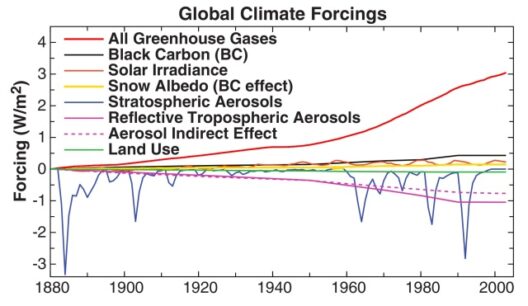
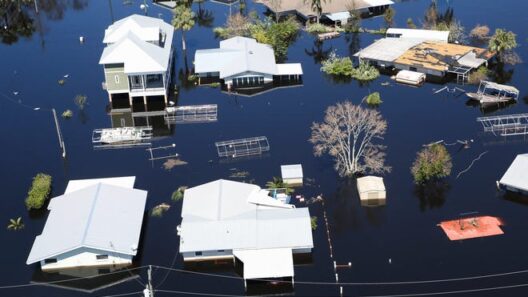
Nevertheless, recent developments suggest a nuanced shift may be occurring within the party. Several factors contribute to this gradual evolution. First and foremost, an increasing body of empirical evidence has made it increasingly challenging for lawmakers to maintain a stance of outright denial. Extreme weather events—such as hurricanes, wildfires, and unprecedented flooding—have intensified discussions surrounding climate change, even among traditionally skeptical constituencies.
Moreover, the demographic composition of the Republican voter base is evolving. Younger Republicans are increasingly aware of environmental issues and display a greater concern for climate-related matters. This generational shift could potentially influence future policymaking, as the younger electorate demands more action regarding environmental protection. Engaging this demographic may be pivotal in reshaping the party’s approach to climate policy.
The role of the business community should not be underestimated. Many enterprises are beginning to see climate change as a substantial risk to their operations and profitability. From the agriculture sector to insurance firms, the repercussions of a changing climate are impossible to ignore. Consequently, prominent Republican business leaders have started advocating for sustainable practices, aligning economic growth with environmental stewardship. This shift embodies a pragmatic acknowledgment of climate reality that could reverberate throughout the party.
However, the political ramifications of such a transition are multifaceted. Republicans who begin to accept climate science might face backlash from more conservative factions within their party. The entrenched ideologies surrounding climate change skepticism make it difficult for some lawmakers to pivot without losing support from their base. As a result, even when acknowledging the validity of climate science, many Republicans may adopt a cautiously ambiguous stance to appease conflicting interests.
Despite these challenges, there are promising signs of bipartisan cooperation on specific initiatives aimed at addressing climate change. For example, recent legislative developments have seen the introduction of bills focusing on clean energy innovation and environmental resilience. These measures illustrate a growing recognition that climate-related issues transcend party lines and are critical to national security and economic sustainability.
Nevertheless, the crux of the matter lies in the alignment of climate action with core Republican values, such as free enterprise and limited government. Framing climate change initiatives in terms of economic opportunity rather than regulatory burden may render them more palatable to skeptical lawmakers. The integration of market-based solutions, such as carbon pricing or investment in renewable energy technologies, can harness the party’s emphasis on entrepreneurship, potentially leading to a new acceptance of climate action within the ranks of Congressional Republicans.
The media landscape also plays an instrumental role in shaping the narrative surrounding climate acceptance. As awareness and visibility of climate change issues rise, coverage often highlights bipartisan efforts and successful climate policies enacted at the state level. This reframing not only normalizes discussions on climate change across political divides but also encourages Republican constituents to hold their representatives accountable for environmental stewardship.
Additionally, grassroots movements and advocacy organizations are increasingly mobilizing to create a sense of urgency around climate action, even within traditionally conservative enclaves. By fostering local dialogues and promoting community engagement on sustainability, these groups endeavor to influence Republican leaders by emphasizing the tangible impacts of climate change on constituents’ lives.
Moreover, the increasing frequency of natural disasters across the United States has brought climate change to the forefront of public consciousness, notwithstanding partisan affiliations. This immediate and visceral acknowledgment of environmental degradation may compel Republican lawmakers to confront the realities of climate change irrespective of past dogmas. An altered perception, viewing climate change as an existential threat rather than a political agenda, could catalyze profound changes in legislative priorities.
Ultimately, while the journey toward widespread acceptance of global warming among Republicans may be fraught with ideological obstacles, there exists a palpable potential for change. The convergence of scientific evidence, shifting demographics, and economic realities paints a picture of a party at a crossroads. Embracing a nuanced understanding of climate change, framed within the context of personal and collective responsibility, could mark a significant turning point in the political landscape surrounding environmental policy.
The challenges ahead are formidable, yet the prospects for bipartisan cooperation and innovative solutions are equally compelling. As the ramifications of climate change continue to unfold, the call for urgent action transcends political boundaries, urging all lawmakers—regardless of party affiliation—to confront the reality of our warming planet and act decisively for current and future generations.