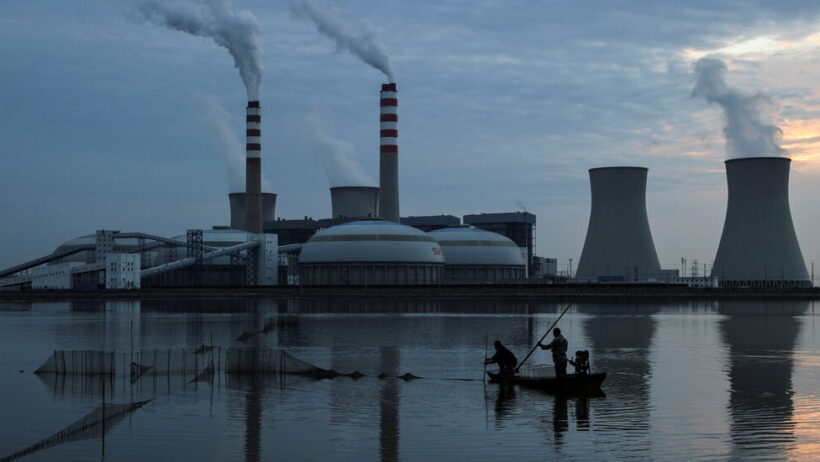

Carbon dioxide (CO2) emissions have long been at the epicenter of climate discourses, lauded for their pivotal role in driving global warming. As the predominant greenhouse gas emitted by human activities, ranging from fossil fuel combustion to deforestation, CO2 has garnered substantial attention in scientific investigations. The question poised is: do these emissions unequivocally cause global warming? To understand this predicament, one must delve into the intricate interplay of scientific evidence and climate dynamics.
In the wake of industrialization, atmospheric CO2 concentrations have surged to unprecedented levels. This augmentation is not only notable but can be quantified. Pre-industrial levels hovered around 280 parts per million (ppm), whereas contemporary measurements oscillate beyond 410 ppm. This stark escalation correlates with rising global temperatures and a plethora of climatic alterations. Data compiled from various sources overwhelmingly affirm that the rise in CO2 levels is intricately linked to anthropogenic activities—activities that primarily fuel economic growth but at an alarming cost to the environment.
At its essence, the relationship between CO2 and global warming can be elucidated through the greenhouse effect, a natural phenomenon that is essential for sustaining life on Earth. Solar radiation penetrates the atmosphere, with a portion being absorbed by the planet’s surface and reradiated as infrared energy. Greenhouse gases, including CO2, trap some of this outgoing radiation, thus retaining warmth within the atmosphere. Without this effect, Earth would be inhospitably cold, rendering the existence of complex life forms virtually impossible. However, an excess of these gases enhances this effect, leading to a rise in global temperatures. This essential feedback mechanism lies at the heart of climate change discourse.
The scientific consensus, bolstered by rigorous research and extensive climate models, indicates that the anthropogenic augmentation of CO2 is a leading driver of recent global warming. Climate models, which simulate Earth’s climate response to increasing greenhouse gas concentrations, have demonstrated that without CO2 emissions from human activities, the current increases in global temperatures would be far less pronounced. These models have utilized various scenarios, ranging from stabilized CO2 emissions to anticipated trajectories based on current trends. The results invariably point towards a troubling reality: higher CO2 levels correlate with elevated temperatures.
An intriguing aspect of this discussion is the temporal dynamics associated with CO2 emissions. Research elucidates the lag time intrinsic to the climate system. When fossil fuels are combusted, CO2 is released and then gradually disperses throughout the atmosphere. The climatic effects of this emissions spike are not immediate; instead, they can materialize years to decades later. This delayed response elucidates why long-term emissions reductions are essential. Immediate actions can significantly mitigate future warming, although immediate temperature changes may not be evident.
Furthermore, while CO2 is frequently perceived as the central antagonist in climate change narratives, it is critical to recognize its interaction with other greenhouse gases. Methane (CH4), while present in smaller concentrations, has a much greater heat-trapping capability over a short time frame. Similarly, nitrous oxide (N2O) and fluorinated gases contribute to the greenhouse effect and, when considered collectively with CO2, further complicate the climate change puzzle. Consequently, effective climate action must embrace a comprehensive strategy targeting all greenhouse gases rather than solely focusing on CO2.
The research and resulting data provide a compelling argument for urgent action against unabated carbon dioxide emissions. Some scholars posit that the phenomenon of climate change is activating synergistic processes that exacerbate warming. For instance, as temperature rises, polar ice melts, releasing additional CO2 and methane trapped in permafrost—a feedback loop known as positive feedback. This spiraling effect signifies a critical juncture; our climate health hinges upon the stabilization of greenhouse gas levels.
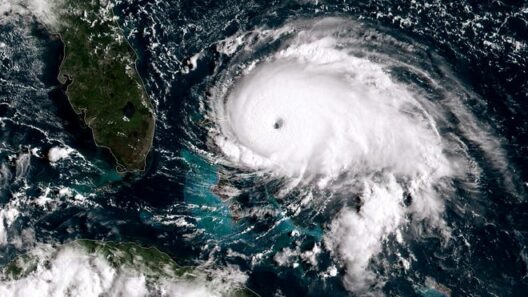
To further contextualize the urgency surrounding CO2 emissions, one must consider the impacts of rising global temperatures. Environmental consequences extend beyond mere statistics. They manifest in more severe weather patterns, rising sea levels, and altered agricultural landscapes. The frequency of extreme weather events such as hurricanes, droughts, and floods has been intensifying, attributable in part to rising temperatures driven by greenhouse gas accumulation. Furthermore, these changes threaten biodiversity, precipitating species extinction and ecosystem collapse, posing profound risks to global food security and water supply.
Amidst these challenges, strides towards sustainable practices offer a flicker of hope. Transitioning to renewable energy, improving energy efficiency, and reforestation are strategies that have emerged as critical components of climate initiatives. Moreover, carbon capture technologies aim to reduce atmospheric CO2 levels, while policy frameworks like carbon pricing seek to financially incentivize emission reductions. It is imperative that technological innovation and socio-political will converge to implement these solutions effectively.
In conclusion, the compendium of climate research substantiates the assertion that carbon dioxide emissions are a primary catalyst for global warming. The enhancing greenhouse effect, evidenced through meticulous climate modeling and observational data, underscores an urgent call to action. Addressing CO2 emissions through collective global efforts is not just an environmental imperative but a moral responsibility to future generations. Each effort made today can lead to profound implications for the climate and the myriad forms of life it sustains. The trajectory we choose now will indisputably shape the planet of tomorrow, making it crucial to act decisively and cohesively in our battle against climate change.