


As we stand on the precipice of a rapidly changing climate, the contentious relationship between oil reserves and global warming looms larger than ever. Oil reserves represent a treasure trove of energy, often likened to a double-edged sword. While they promise economic growth, job creation, and energy stability, they also herald an influx of greenhouse gases into the atmosphere. This dichotomy raises crucial questions about our dependence on fossil fuels and their far-reaching implications for the planet.
At the heart of the issue lies the extraction and combustion of oil. When tapped into, these subterranean reservoirs release hydrocarbons that, when burned, emit carbon dioxide (CO2)—one of the principal culprits behind climate change. The process can be compared to unearthing a Pandora’s box of ecological havoc; once opened, the consequences are often too catastrophic to contain. The combustion of these fossil fuels not only releases CO2 but also other pernicious pollutants that exacerbate air quality issues and harm human health.
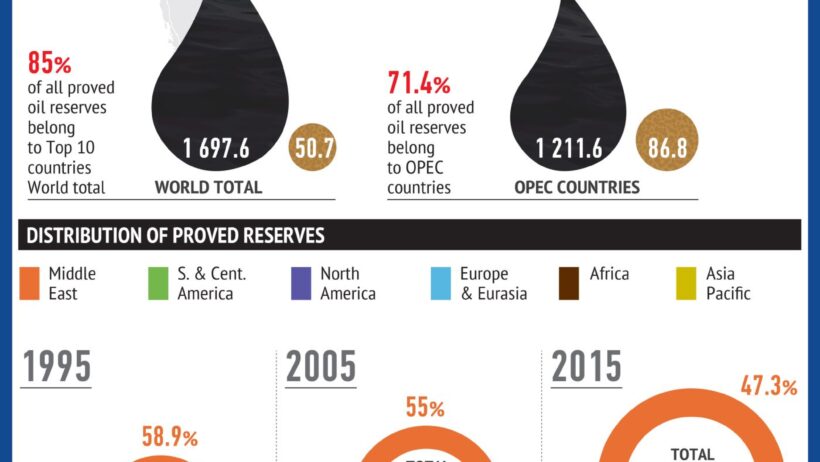
Oil reserves are abundant, yet finite—a stark reminder of the earth’s delicate balance. The International Energy Agency (IEA) notes that proven oil reserves remain substantial, particularly in countries like Saudi Arabia, Venezuela, and Canada. These reserves beckon countries to exploit them, enticing policymakers with the promise of short-term economic prosperity. However, this exploitation leads to a paradox: a short-lived economic boon at the potential cost of an uninhabitable planet.
Consider the life cycle of oil, which can be metaphorically likened to the journey of a life form. Just as all living beings have an origin, oil has its genesis deep within the Earth’s strata, formed over millions of years. Once extracted, it is refined, transported, and utilized, bringing energy into our homes and industries. Yet, this process is akin to a caterpillar transforming into a butterfly—a transformation that comes with the high stakes of survival. Just as a butterfly must negotiate the ravages of nature, our reliance on oil must grapple with the environmental ramifications of its use.
As we delve deeper into the ecological ramifications, we find that the burning of oil is a significant driver of global warming. The Intergovernmental Panel on Climate Change (IPCC) underscores this, claiming that fossil fuel activities—including oil extraction, refining, and usage—contribute approximately 70% of anthropogenic greenhouse gas emissions. This grim statistic reveals the extent to which our established energy systems are woven into a narrative of environmental degradation.
Oil reserves also contribute to global warming indirectly through a cascade of effects. The flaring of natural gas—a common byproduct of oil extraction—presents another avenue for rampant emissions. When natural gas is burnt off, methane, a potent greenhouse gas, escapes into the atmosphere. This practice damages the climate initially, with methane having a much greater warming potential than CO2 over a short duration. Thus, the oil industry’s impact on global warming multiplies at every stage, from extraction to consumption.
Moreover, the geopolitical dimensions of oil reserves complicate the narrative further. Nations rich in oil reserves often become embroiled in conflicts, driven by the control over these resources. This struggle for power contributes not only to societal unrest but also to environmental degradation. The intricate dance of diplomacy, warfare, and economic rivalry creates a chaotic backdrop against which the environmental crisis unfolds, compounding the destructive potential of oil dependency.
However, acknowledging the colossal contributions of oil reserves to global warming propels us toward potential solutions. A growing consciousness regarding climate change has spurred innovations in renewable energy, heralding a new future distinct from fossil fuels. Wind, solar, and hydroelectric power surfaces as beacons of hope, representing sustainable alternatives that can ultimately reclaim dominion over our energy landscape. As technological advancements streamline these alternatives and render them more accessible, they emerge as viable substitutes for oil, promising a more harmonious relationship with our planet.
Collectively, our path forward hinges on diversification away from oil dependencies. Policymakers who boldly promote renewable energy can transform our energy framework into one that prioritizes sustainability, aiming to mitigate the impacts of climate change. Transitioning to electric vehicles, incentivizing public transport, and enhancing energy efficiency in buildings are all actionable steps that can reduce our carbon footprint comprehensively. Each decision reverberates through our future, akin to ripples in a pond—small changes yielding profound impacts over time.
Public awareness and activism play indispensable roles in this paradigm shift. A well-informed citizenry equipped with knowledge about the repercussions of oil consumption can instigate change through advocacy, demanding accountability from governments and corporations alike. Grassroots movements have already demonstrated remarkable efficacy, as communities band together to challenge oil extraction projects, demanding that health and environmental standards be prioritized.
In conclusion, while oil reserves crucially fuel our modern civilization, their implications for global warming cannot be overlooked. The wealth of these resources proves paradoxical; it invites both progress and peril. As stewards of this planet, we are beckoned to redefine our relationship with oil—not merely as consumers but as conscious participants in the preservation of our environment. With decisive action, informed advocacy, and unwavering commitment to sustainable practices, we can emerge from this conundrum with a legacy of resilience rather than regret.