
When addressing the critical issue of climate change, one cannot overlook the role of greenhouse gases, particularly carbon dioxide (CO2). As the conversation surrounding global warming intensifies, an inquiry arises: does carbon dioxide truly possess the highest global warming potential? To decipher this question, we must first delve into the concept of global warming potential (GWP) and examine various greenhouse gases.
Global warming potential is a measure that expresses how much heat a greenhouse gas traps in the atmosphere over a specific timeframe, usually 100 years, compared to carbon dioxide. CO2 is the benchmark for GWP and is assigned a value of one, acting as the reference point against which the potentials of other gases are gauged.
A multitude of greenhouse gases exists, each with varying abilities to contribute to warming. Methane (CH4), for example, has a GWP of approximately 28-36 over 100 years, indicating it is significantly more effective than CO2 in trapping heat but remains present in the atmosphere for a shorter duration, roughly a decade. This compounds methane’s impact, making it a formidable adversary in the fight against climate change.
Nitrous oxide (N2O), another greenhouse gas, boasts a GWP of around 298. Its longevity in the atmosphere can extend to over a century, and its capacity to trap heat renders it a potent player in the climate change narrative. The differential impacts of these gases elucidate the complexity of their roles in exacerbating global warming.
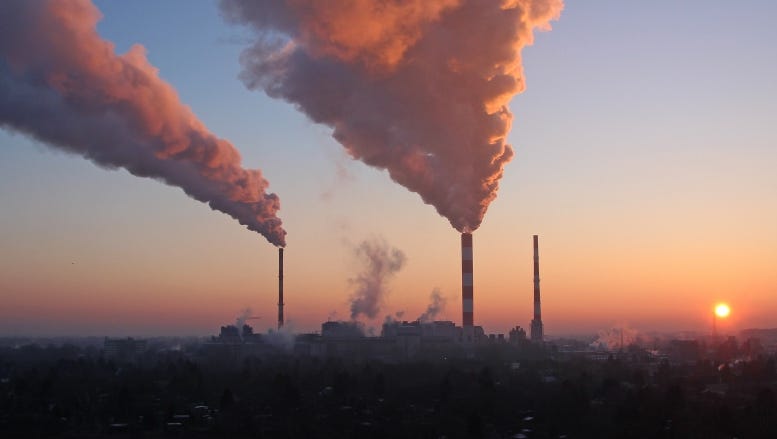
Carbon dioxide, while not the gas with the highest GWP, emits mass quantities as a result of human activities, including fossil fuel combustion and deforestation. The sheer volume of CO2 released far outstrips emissions of other greenhouse gases. Recent data indicates that atmospheric concentrations of CO2 reached alarming levels, underscoring humanity’s escalating carbon footprint.
Moreover, the environmental consequences of CO2 extend beyond its GWP. Its role as a long-lasting atmospheric constituent means CO2 persists longer than many other gases, contributing to a cumulative effect on the climate system. This is where carbon dioxide’s significance is accentuated, overshadowing the potency of gases like methane or nitrous oxide when evaluated on the basis of sheer volume and longevity.
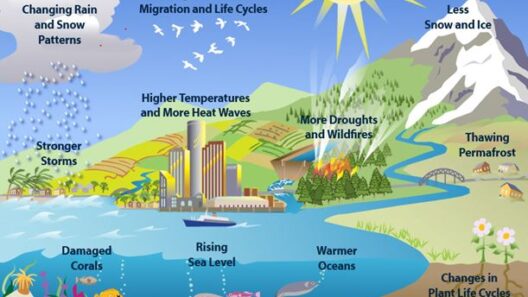
Beyond strict numerical comparisons, the ramifications of CO2 in altering weather patterns, sea levels, and ecosystems are profound. The increasing concentration of CO2 correlates with the rise in global temperatures, triggering a cascade of environmental phenomena, such as glacier melting, ocean acidification, and more frequent extreme weather events. Therefore, while other gases may boast higher GWP values, carbon dioxide’s pervasive presence is a critical factor in its detrimental impact on the climate.
The comparison of CO2 to other greenhouse gases unveils the complexity of climate change. For instance, hydrofluorocarbons (HFCs) possess GWP values that can go beyond 10,000, yet their atmospheric concentrations are relatively lower. This nuanced understanding reveals that while HFCs are significantly more potent than CO2 in terms of heat-trapping abilities, their limited use and regulation can mitigate their overall environmental impact.
In light of this intricate interrelationship amongst greenhouse gases, it becomes increasingly essential to adopt a multi-faceted approach to tackle climate change. Reducing carbon dioxide emissions forms the crux of climate action strategies. Transitioning to renewable energy sources, enhancing energy efficiency, and adopting sustainable practices can substantially curtail CO2 emissions, thus mitigating its long-term impact on global warming.
Nevertheless, addressing the effects of other potent gases also warrants attention. Strategies focusing on methane abatement, for instance, can yield immediate benefits due to its comparatively short atmospheric lifespan. Targeted initiatives, such as reducing methane leaks from natural gas systems or optimizing livestock management practices, can contribute significantly to climate change mitigation.
The role of carbon dioxide in global warming is further nuanced by its interaction with other atmospheric components. The simple yet crucial fact remains that CO2 facilitates the greenhouse effect, leading to a rise in global temperatures. The interplay between CO2 and water vapor—a naturally occurring greenhouse gas—complicates this dynamic. As temperatures rise due to enhanced greenhouse gas concentrations, more water vapor enters the atmosphere, further amplifying the warming effect through positive feedback loops.
In light of this complex web of interactions, the discussion must also encompass the socio-economic implications of global warming driven by carbon dioxide and other greenhouse gases. Climate change exacerbates existing vulnerabilities, particularly in marginalized communities who lack the resources to adapt to the changing environment. Addressing climate justice and ensuring equitable distribution of resources is paramount in the fight against climate change.
As climate activists and scientists advocate for urgent action, it is crucial to emphasize the importance of comprehensive strategies that address all greenhouse gases, while recognizing carbon dioxide’s unique status due to its ubiquity and long-lasting effects. The quest for sustainable practices and innovative technologies that capture and store carbon is paramount in mitigating the impact of this significant greenhouse gas.
In conclusion, although carbon dioxide does not have the highest global warming potential compared to other gases, its extensive emissions and longevity position it as a foremost contributor to climate change. Addressing CO2 emissions is imperative. Still, a holistic approach, incorporating all greenhouse gases and addressing socio-economic factors, will yield the most significant results in the collective endeavor to combat global warming effectively.