
The intricate relationship between the depletion of the ozone layer and global warming raises an engaging question: does the thinning of the ozone layer directly contribute to climate change, or is it merely a myth? As we delve into this matter, we will explore the scientific foundations of the ozone layer, elucidate its functions, and inspect the nuances of how it interacts with greenhouse gases.
The ozone layer is a region of Earth’s stratosphere that contains a high concentration of ozone (O3) molecules. Positioned approximately 10 to 30 miles above the Earth’s surface, this layer plays a crucial role in safeguarding life on our planet. Its primary function is to absorb the majority of the sun’s harmful ultraviolet (UV) radiation, preventing this high-energy radiation from penetrating Earth’s surface where it could cause severe biological damage.
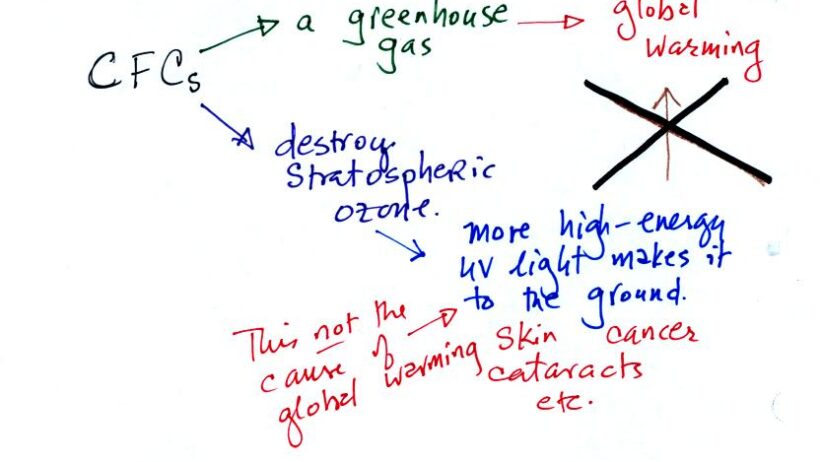
The depletion of the ozone layer has predominantly stemmed from human activities, especially since the mid-20th century. Chemicals like chlorofluorocarbons (CFCs), halons, and other ozone-depleting substances (ODS) have significantly reduced ozone concentrations. This depletion has resulted in increased UV radiation reaching the Earth’s surface, which is linked to various health and environmental challenges, including higher incidences of skin cancer, cataracts, and interference with certain ecosystems.
Now, one might ponder: if the ozone layer is pivotal in filtering UV radiation, does its depletion have repercussions on the climate itself? To untangle this question, it’s necessary to distinguish between two significant atmospheric phenomena: ozone depletion and global warming.
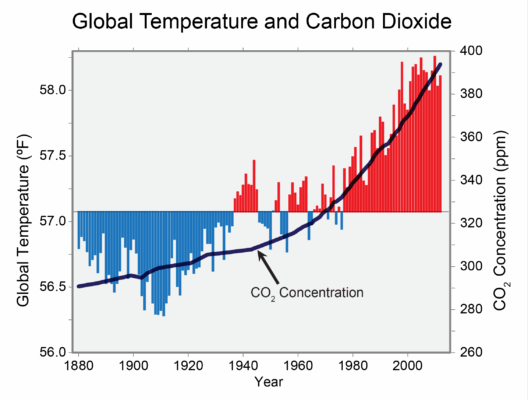
Global warming refers to the long-term increase in Earth’s average temperature due to an increase in greenhouse gases (GHGs) such as carbon dioxide (CO2), methane (CH4), and nitrous oxide (N2O). These gases trap heat in the atmosphere—a process known as the greenhouse effect—which warms the planet. It is a well-established phenomenon, driven mainly by fossil fuel combustion, deforestation, and industrial processes.
Conversely, the depletion of the ozone layer primarily affects the stratosphere rather than the troposphere, where climate change predominantly occurs. Ozone in the troposphere acts as a greenhouse gas, contributing to warming, while stratospheric ozone serves a more protective role against UV radiation. This disconnection delineates a fine line between the effects of ozone depletion and those of global warming, complicating the narrative surrounding the two.
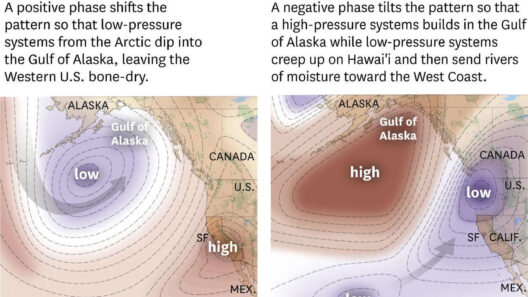
Recent scientific inquiries have begun to illuminate the intricacies of this relationship. Some studies indicate that, under certain conditions, ozone depletion may indeed have indirect climate effects. The reduction in ozone can alter stratospheric temperatures and can even influence weather patterns, such as the polar vortex. This, in turn, can impact the troposphere’s climate dynamics, possibly exacerbating warming effects in specific regions.
However, it is critical to emphasize that these interactions are complex and not completely understood. Furthermore, while ozone depletion can indeed have localized climatic effects, it does not equate to the pervasive influences of GHG emissions. The significant contributors to global warming remain distinctly tied to carbon-based energy sources and land-use changes rather than ozone layer status.
Retrospectively scrutinizing the past decades, international efforts to counter ozone depletion, such as the Montreal Protocol, have shown promising results. This treaty, established in 1987, successfully phased out many ODS and led to a gradual recovery of the ozone layer. Contrary to the myth that ozone depletion was essential for climate warming, the scientific consensus underscores the necessity of addressing GHG emissions to combat global warming effectively.
At this confluence of environmental issues, there exists a pivotal challenge: can we compartmentalize these concerns or must they be approached holistically? The answer lies in fostering interdisciplinary dialogue that embraces both ozone recovery and climate action. Public awareness is paramount—a well-informed citizenry can advocate for policies that address multiple environmental issues simultaneously, rather than viewing each problem in isolation.
In conclusion, while depletion of the ozone layer intersects with global warming in a complex tapestry of atmospheric science, it is clear that depletion alone does not cause global warming. The primary driver of climate change resides in the accumulation of greenhouse gases, with ozone depletion presenting more of a nuanced interplay rather than a direct cause-and-effect relationship. Protecting the ozone layer remains essential for safeguarding life on Earth, yet it cannot substitute for the rigorous actions required to mitigate global warming. The pressing question is no longer about the ozone layer’s role in climate change, but rather how humanity will respond to these interwoven challenges in an era of ecological urgency.