

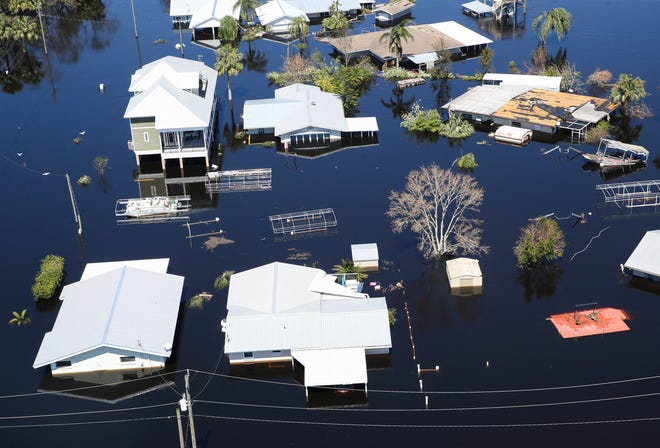

Hurricanes are powerful natural phenomena, with devastating potential that often leaves communities grappling with the aftermath. In recent years, the relationship between global warming and hurricane intensity has come to the forefront of scientific inquiry and public discourse. As climate change accelerates, the dynamics that govern these storms are evolving, prompting crucial questions about the nature of future hurricanes and their impacts.
To comprehend how global warming influences storms, we must first delve into the basic mechanics of hurricanes. Essentially, hurricanes derive their energy from warm ocean waters. When sea surface temperatures rise, they provide more heat and moisture, the fundamental building blocks of a hurricane’s structure. As the climate warms, we are witnessing a concerning trend: the oceans are absorbing and retaining more heat. Consequently, the frequency and intensity of hurricanes are likely on an upward trajectory.
The science behind the intensified hurricane phenomenon can be encapsulated in several key observations. First and foremost, warmer air holds more moisture. For each degree Celsius increase in sea surface temperature, the atmosphere can carry about 7% more water vapor. This increased humidity not only fuels the storm’s wind speeds but also amplifies rainfall rates, resulting in catastrophic flooding. In fact, the deluge associated with hurricanes has grown in recent tornadoes, leading to enhanced risks to communities along coastlines.
Moreover, the rising temperature of the ocean contributes to an increase in the maximum potential intensity of hurricanes. Studies suggest that for every degree Celsius rise in sea temperature, hurricane wind speeds can escalate by approximately one to two percent. With the world experiencing unprecedented temperature anomalies, the potential for more ferocious storms becomes alarmingly tangible. It is important to note that while warmer oceans increase the likelihood of significant storms, other atmospheric conditions, such as wind shear and humidity profiles, also play critical roles in influencing storm development.
Another factor is the alteration of the hurricane’s forming environments due to climate change. Regions that traditionally experienced fewer storms may begin to see higher activity levels, while previously prone areas might face fewer hurricanes. This geographical shift in hurricane patterns can complicate preparedness and disaster response efforts, as communities may be caught off guard by storms unlike those they have historically encountered.
Furthermore, climate change can modulate the steering currents that guide hurricanes. Changes in wind patterns due to shifts in the jet stream can affect the trajectory of storms, causing them to linger over regions longer or take unexpected paths. This phenomenon can exacerbate landfall impacts as hurricanes may stall, resulting in prolonged exposure to high winds and torrential rain. These alterations bring new challenges in forecasting and preparation, as traditional models may no longer accurately predict storm behavior.
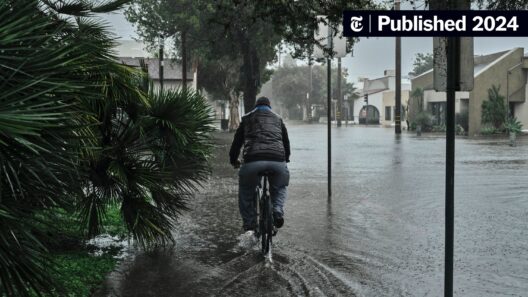
As hurricanes intensify, their interaction with the landscape also becomes a pressing concern. Rising sea levels, a direct consequence of melting ice caps and thermal expansion of seawater, increase the vulnerability of coastal communities to storm surges. When a powerful hurricane does make landfall, the combination of wind, rain, and sea-level rise leads to unprecedented flooding scenarios that can displace thousands and devastate infrastructure.
The socio-economic ramifications of intensified hurricanes are profound. Vulnerable populations, often living in marginalized conditions, face disproportionate risks from these storms. Post-hurricane recovery can be arduous and lengthy, exacerbating existing inequalities and highlighting the need for adaptive strategies that prioritize environmental justice. Investing in resilient infrastructure, enhancing early warning systems, and fostering community preparedness can mitigate some of these challenges, but fundamentally addressing climate change remains paramount.
While this grim narrative surrounding global warming and hurricanes is alarming, it also underscores the crucial importance of understanding the science involved. Increased public awareness and education can act as catalysts for change. By fostering a greater understanding of the climate-crisis nexus, individuals and communities can advocate for policy shifts that address not only hurricane preparedness but also the underlying factors of climate change itself.
The path forward is fraught with challenges, yet it also offers unique opportunities for innovation and societal evolution. Embracing renewable energy sources, investing in green technology, and implementing sustainable land-use practices can significantly contribute to mitigating climate change and, by extension, hurricane intensity. Moreover, appreciating the tangible impacts of climate change encourages collective action—a vital component of enacting real change.
In conclusion, global warming does indeed exacerbate hurricanes, leading to intensified storms that threaten lives, property, and ecosystems. Acknowledging this connection compels action, encouraging individuals, communities, and policymakers to foster resilience in the face of inevitable climatic shifts. As our understanding of these complex relationships deepens, so too does our obligation to protect our planet and prepare for the storms of tomorrow. The intersection of climate change and hurricane intensity is not merely a scientific inquiry—it is a call to action for all stewards of the Earth.