
As climate change continues to dominate headlines across the globe, a substantial rise in the frequency and intensity of hurricanes has been observed. This phenomenon beckons a deeper inquiry into the nexus between global warming and tropical cyclones. Understanding why hurricanes are increasing not only captivates public interest but also provides critical insights into impending climatic trajectories.
To comprehend the intricate relationship between hurricanes and climate change, one must first delineate the mechanics of hurricane formation. Hurricanes, or tropical cyclones, draw their energy from warm ocean waters. When sea surface temperatures rise beyond 26.5°C (approximately 80°F), the necessary conditions for storm development are met. Evaporated water fuels the storm, while the Coriolis effect spins it into the organized system recognizable as a hurricane. Thus, as global temperatures ascend, the ocean warms, giving birth to a more conducive environment for the genesis of these formidable storms.
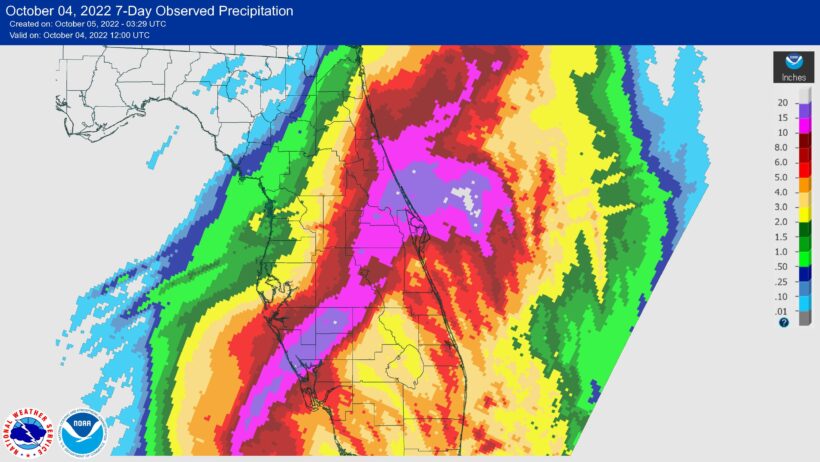
Recent data underscores a worrying trend: not only are more hurricanes forming, but they also exhibit enhanced intensity. According to climate models, a warmer atmosphere can hold more moisture, approximately 7% more for each 1°C increase. This results in an abundant supply of water vapor available for these systems, intensifying storm development and leading to increased precipitation rates during hurricanes. The catastrophic flooding associated with hurricanes can be traced back to this augmented capacity for moisture retention in a warming atmosphere.
Furthermore, the wind patterns that influence hurricane trajectories are shifting. Climate change has a profound effect on both ocean currents and atmospheric circulation. These alterations can modify the paths that hurricanes travel, leading to unexpected landfalls and prolonged impacts in certain regions. Historically, storms would either dissipate or take predictable paths, but the present alterations in jet streams and oceanic currents engender erratic behavior that heightens the risk for populations residing along vulnerable coastlines.
The interplay between increasing hurricane frequency and climate change is also reflected in the storm intensity scale. Notably, the Saffir-Simpson Hurricane Wind Scale categorizes storms from one (weakest) to five (strongest) based on sustained wind speeds. The escalation of storms reaching categories four and five demonstrates a stark correlation with rising sea surface temperatures. The increased occurrence of these more catastrophic storms exacerbates economic loss, disrupts ecosystems, and poses significant risks to human lives.
Moreover, the phenomenon of sea level rise—a consequence of both melting polar ice and the thermal expansion of seawater—compounds the destructive potential of hurricanes. Elevated sea levels allow storm surges to breach coastlines that once appeared impervious. Hurricane-induced storm surges cause catastrophic flooding in coastal cities, often resulting in damage that transcends immediate repair and necessitates long-term infrastructural re-evaluation. The intersection of hurricanes and rising sea levels thus illuminates an urgent need for effective climate adaptation strategies in susceptible regions.
In addition to rising sea temperatures and changing wind patterns, a lesser-known yet significant aspect is the frequency of rapid intensification events. Rapid intensification refers to the phenomenon where a tropical storm’s maximum winds increase significantly in a short time frame. Recent studies have indicated that the incidence of such events is becoming more commonplace as global temperatures climb. This characteristic of hurricanes endangers coastal areas, as communities find themselves ill-prepared for storms that escalate perilously close to landfall.
The socio-economic ramifications of increasing hurricane activity cannot be overstated. Low-lying coastal communities particularly bear the brunt of hurricane devastation. In addition to immediate infrastructure damage, the long-term consequences inflict economic hardship, mental health crises, and displacement of populations. Those in marginalized communities, often lacking in resources and planning, endure the most severe repercussions from these climate-induced phenomena.
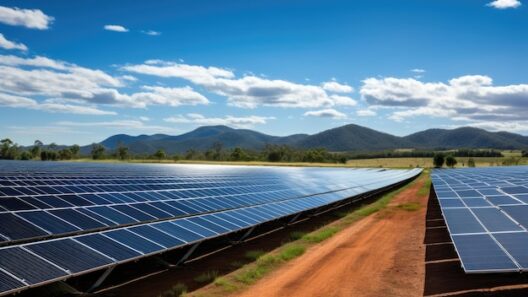
Analysts are promoting a holistic approach to tackle the growing threat. Mitigation strategies focusing on reducing greenhouse gas emissions are essential. Transitioning to renewable energy, enhancing energy efficiency, and fostering sustainable urban development practices can stem the tide of climate change. Furthermore, robust investments in research and technology to understand storm dynamics, combined with effective disaster preparedness initiatives, are vital for reinforcing community resilience against future hurricanes.
Policy frameworks must also adapt to these evolving threats. Strengthening building codes, investing in climate-resilient infrastructure, and implementing comprehensive land-use planning can shield communities from the burgeoning risks associated with hurricanes. International cooperation plays a crucial role in addressing the impacts of climate change on a global scale, as many regions remain interconnected. The response to hurricanes necessitates a concerted effort to share resources, knowledge, and strategies tailored to communities facing imminent threats.
In conclusion, the increasing penchant for hurricanes, interwoven with the thread of global warming, unveils a multi-faceted issue that demands urgent attention. The observed rise in storm frequency and intensity implicates myriad factors, notably warmer ocean waters and shifting climate patterns. As our planet continues to warm, proactive steps must be taken to mitigate these climatic changes and adapt to the ultimate consequences. The synergy of robust policies, innovative strategies, and community engagement can pave the way for resilience in the face of increasingly fierce hurricanes.